


Mechanical Parking: From Drawbacks to Convenience
Amid tightening urban land resources and the continuous growth of motor vehicle ownership, intelligent parking facilities such as automated parking systems and mechanical garages have become core infrastructure for addressing urban static traffic pressure, adding new parking spaces, and upgrading aging parking lots. With their advantages of land conservation, high capacity, and high automation, intelligent automated parking systems are widely deployed in residential communities, commercial complexes, industrial parks, hospitals, hotels, and other scenarios. However, common industry-wide issues persist in ordinary intelligent parking systems on the market, including slow vehicle retrieval, poor stability, inconvenient operation, and high failure rates. This article provides an objective analysis of the advantages and disadvantages of intelligent automated parking systems and introduces professional optimization solutions that fundamentally address the operational pain points of mechanical garages, making intelligent parking equipment simpler, more stable, and more efficient to use.
Ⅰ. Core Advantages of Intelligent Automated Parking Systems
1.Extreme Land Savings with Significantly Increased Parking Capacity
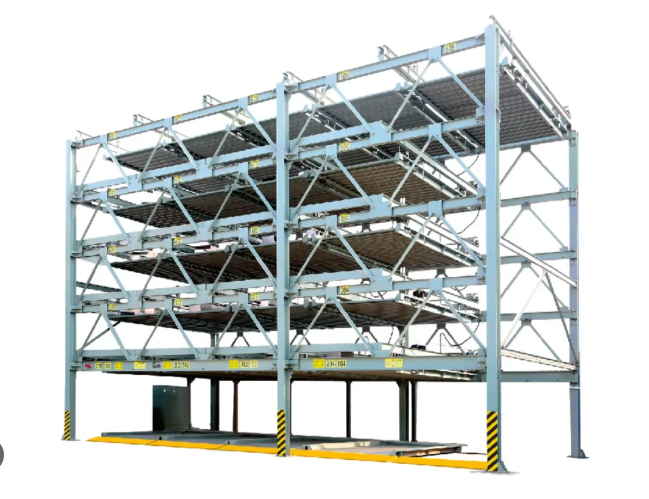
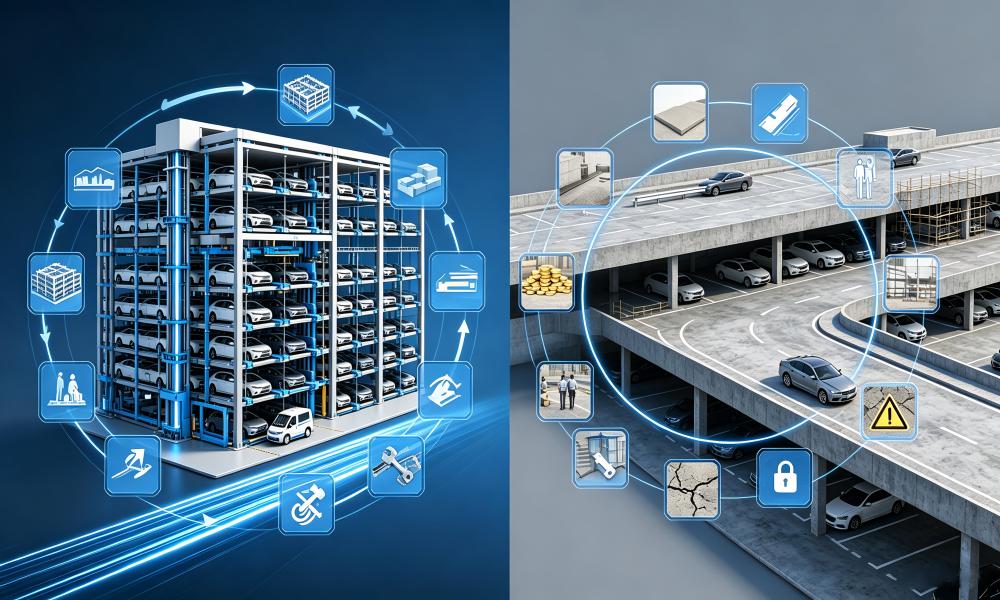
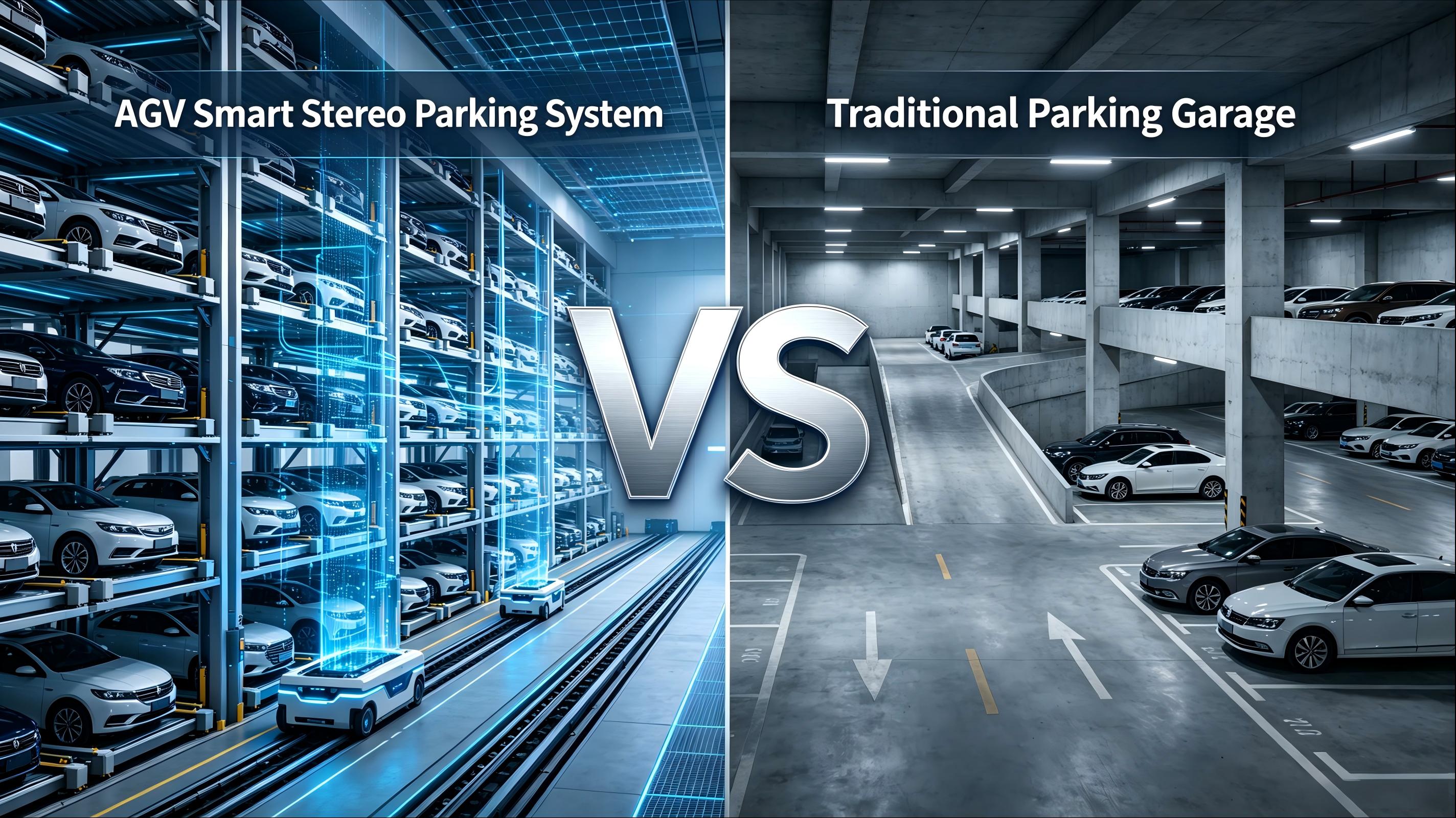
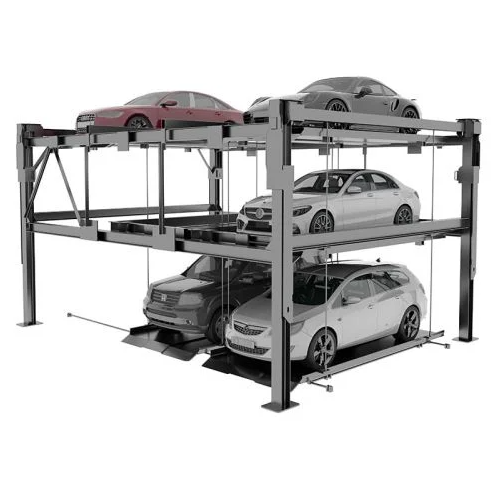
Traditional flat parking lots have low utilization rates and waste significant lane space. Automated parking systems achieve multiple times the parking capacity within the same footprint through mechanical vertical stacking and lift-transverse structures. For high-value urban commercial districts, older residential communities, and space-constrained renovation projects, parking facilities are the most direct and effective solution for increasing the number of parking spaces and alleviating parking pressure.
2.Automated Operation Reduces Management Costs
Modern mechanical garages support fully automated, unattended operation. Vehicle entry, repositioning, and exit are all completed automatically by the system without the need for manual parking guidance. Automated parking systems can significantly reduce long-term investment in parking lot security, on-duty personnel, and patrol staff, making them suitable for large-scale, standardized, and intelligent parking lot operation and management.
3.High Safety Reduces Vehicle Scrapes and Parking Risks
Manual parking is prone to scratches, collisions, lane blocking, and improper parking. Intelligent automated parking systems are equipped with multiple safety devices, including pedestrian-vehicle separation systems, infrared sensors, anti-fall protection, emergency stops, and over-limit detection. The fully enclosed mechanical retrieval process avoids vehicle damage caused by human operational errors, greatly enhancing parking safety.
4.Wide Scenario Adaptability with Customizable Construction
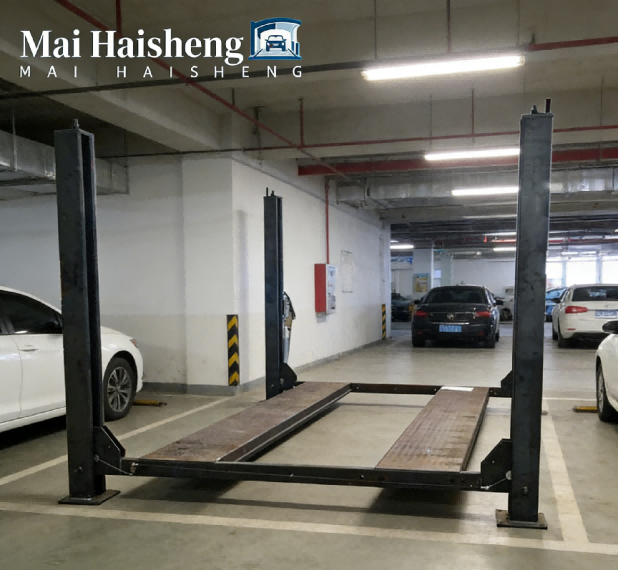
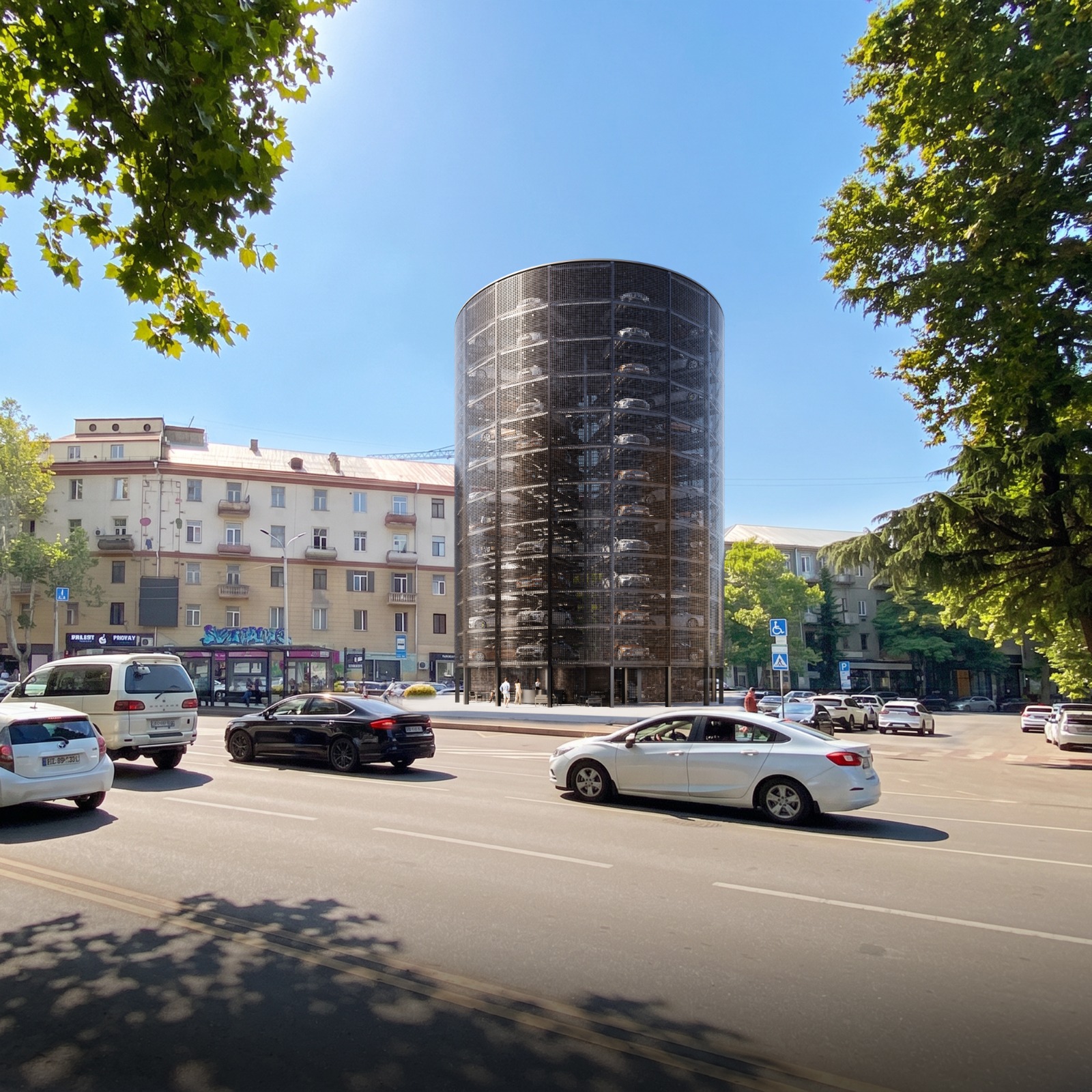
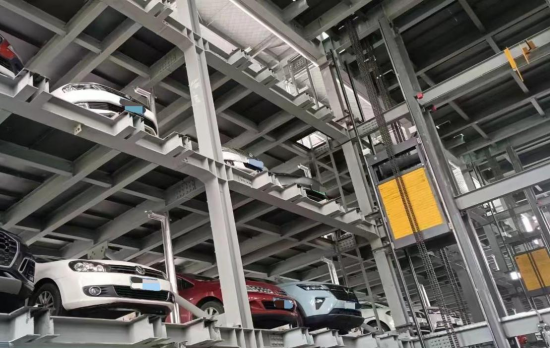
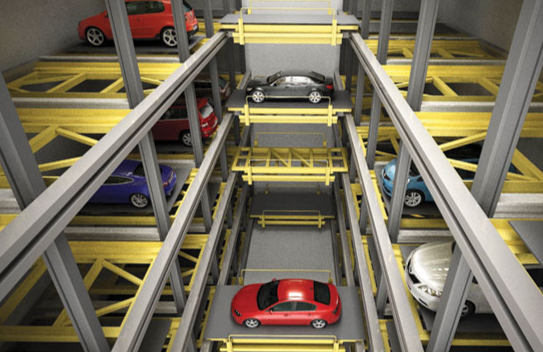
Various types of parking equipment, including lift-transverse automated parking systems, vertical circulation parking systems, and flat-moving mechanical garages, can be custom designed based on site ceiling height, length and width dimensions, and above-ground or underground conditions. They are adaptable to multiple engineering scenarios such as new construction projects, old lot renovation, confined spaces, and large commercial parking structures.

Ⅱ. Common Drawbacks of Traditional Intelligent Automated Parking Systems
Although automated parking systems and mechanical garages offer significant spatial advantages, traditional older intelligent parking systems suffer from numerous industry pain points, which are also the primary reasons why many projects deliver poor user experiences and are difficult to operate.
1.Slow Vehicle Retrieval Speed with Severe Peak-Hour Queuing
Traditional parking equipment control systems rely on outdated logic. Mechanical actions are executed step-by-step without coordination, resulting in long retrieval times for individual vehicles. During morning and evening rush hours when traffic is concentrated, system commands queue up and cause bottlenecks, leading to extended wait times and poor user experience. This is the most common industry drawback of automated parking systems.
2.Single Operation Mode with Insufficient Parking Convenience
Most older intelligent mechanical garages only support on-site button operation. Drivers must exit their vehicles to use the control panel, which is extremely inconvenient during rain, high temperatures, or nighttime. The lack of remote inquiry, space reservation, and seamless retrieval features results in low overall intelligence and an inability to meet modern smart parking demands.
3.Poor System Stability with High Failure Rates
Ordinary automated parking systems use basic sensors and elementary electronic control systems with weak adaptability to temperature variations, humidity, and dust. During operation, issues such as false alarms, misalignment, equipment jamming, and system crashes are common. Frequent failures lead to garage shutdowns and frequent maintenance, severely impacting normal commercial operations.
4.Low Vehicle Recognition Accuracy with Poor Fault Tolerance
Traditional parking equipment recognition systems are rigid. They lack precision in identifying SUVs, new energy vehicles, and slightly oversized or over-width vehicles, easily resulting in rejection of parking, alignment deviations, and mechanical interference hazards. The equipment has poor adaptability and imposes many usage restrictions.
5.Small Vehicle Accommodation Size with Design Flaws
Traditional parking equipment was designed with small vehicle dimensions. With the prevalence of electric vehicles that are larger and heavier, the original designs are clearly outdated, including conceptual design issues. Many modern cars simply cannot be accommodated. Even for smaller cars, parking is very difficult due to the restricted equipment dimensions.
Ⅲ. Professional Optimization Solutions: Thoroughly Resolving Automated Parking Drawbacks for Greater Convenience
Addressing widespread industry pain points, our company has conducted deep upgrades to the complete intelligent systems of automated parking systems and mechanical garages. From control algorithms, sensor systems, intelligent operation, recognition logic, to cloud-based operation and maintenance, we have achieved comprehensive optimization. This thoroughly resolves various drawbacks of traditional parking equipment and significantly enhances parking convenience and stability.
1.Upgraded Synchronous Coordination Algorithm for Dramatically Faster Retrieval
The intelligent control core program has been optimized to enable synchronous coordinated operation of lifting and transverse mechanical structures, abandoning the traditional step-by-step action model and significantly shortening vehicle retrieval times. The system supports multi-task parallel processing and intelligent peak-hour distribution, effectively resolving queuing, bottlenecks, and long wait times during peak periods, resulting in a notable improvement in parking efficiency.
2.Multi-Mode Seamless Intelligent Operation for Effortless Parking
The new multi-dimensional operating system supports multiple methods including automatic license plate recognition, mobile phone remote control, space reservation, unmanned self-service retrieval, and on-site touch-screen operation. Drivers can achieve parking without exiting their vehicles, reserve spaces in advance, and remotely check space status. This completely resolves the drawbacks of traditional mechanical garages, such as cumbersome operation and the inconvenience of exiting the vehicle, truly achieving intelligent and convenient parking.
3.High-Precision Sensor System Upgrade for More Stable Equipment Operation
All parking equipment is equipped with industrial-grade high-precision sensor recognition modules that are resistant to dust, humidity, and temperature variation interference, providing accurate recognition and rapid response. Equipment operation alignment is more precise, eliminating common failures such as false alarms, machine jamming, and misalignment, and significantly improving the overall operational stability and continuous working capability of automated parking systems.
4.Flexible AI Vehicle Recognition to Improve Equipment Fault Tolerance and Adaptability
The upgraded AI intelligent vehicle recognition system adaptively identifies sedans, SUVs, new energy vehicles, and lightly modified vehicles, automatically adjusting retrieval spacing and intelligently avoiding mechanical interference. This greatly relaxes entry restrictions and improves the scenario adaptability and ease of use of automated parking systems.
5.Human-Centric Design with Larger Parking Dimensions to Make Parking Effortless.
From a design perspective, we have increased the vehicle accommodation dimensions of automated parking systems to ensure that almost all sedans and SUVs can be parked. Additionally, from a human-centric perspective, we have made parking more convenient starting from the design phase.
Ⅳ.Summary
Intelligent automated parking systems and mechanical garages are mainstream equipment for urban smart parking, offering core advantages such as land savings, capacity expansion, safety, intelligence, and wide adaptability. However, drawbacks of traditional control systems, such as outdated technology, cumbersome operation, and insufficient stability, have long limited the user experience.
Through five major optimization solutions—algorithmic speed enhancement, seamless intelligent operation, high-precision sensor upgrades, flexible vehicle recognition, and human-centric design—industry-wide common problems can be thoroughly resolved. This makes parking equipment operate faster, more stably, more intelligently, and more effortlessly, providing efficient, convenient, and stable intelligent automated parking total solutions for various projects at home and abroad.