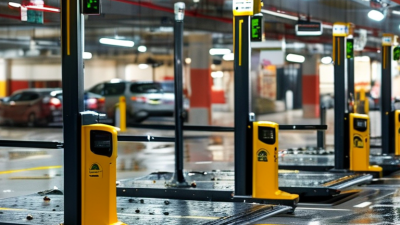
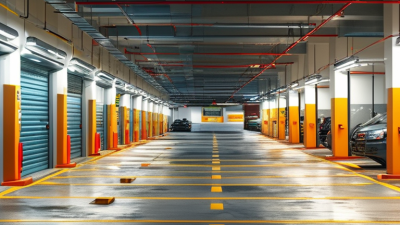
Look, cities are getting denser, and curb space is turning into prime real estate. So global buyers are rethinking parking. A reliable Parking Device can help drivers find open spots, cut down on pointless circling, and give operations teams clearer info to work with. INRIX’s 2023 Global Traffic Scorecard found that the average U.S. driver lost 42 hours stuck in traffic. And a lot of that wasted time? It starts with something as simple as looking for parking.
The commercial angle is growing, too. Grand View Research estimates the global smart parking systems market will grow strongly through 2030, pushed by sensors, connected platforms, and automated payments. But market forecasts don’t always agree. Before trusting any of them, buyers should look at the methodology, regional coverage, and deployment assumptions. Numbers by themselves? Not enough.
Parking expert Donald Shoup once wrote, “Cruising for parking is one of the most common causes of traffic congestion.” Stand beside a busy curb and that still feels true. A driver may circle several blocks while delivery vehicles wait nearby. A well-designed Parking Device can bring together occupancy detection, mobile guidance, and real-time dashboards. But tech isn’t magic. Sensors can misread motorcycles, rain, or damaged markings. Connectivity can fail. Successful projects need field testing, clear maintenance plans, and measurable outcomes. Global buyers should compare accuracy, installation demands, data security, interoperability, and total cost of ownership. The cheapest device can end up being the most expensive one after repeated servicing. Experience matters. So does honest doubt.
What Are Smart Parking Devices and How Do They Work?
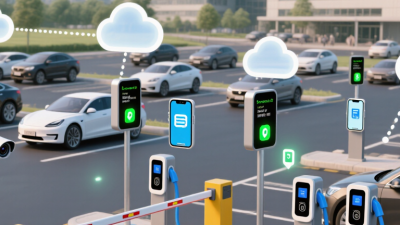
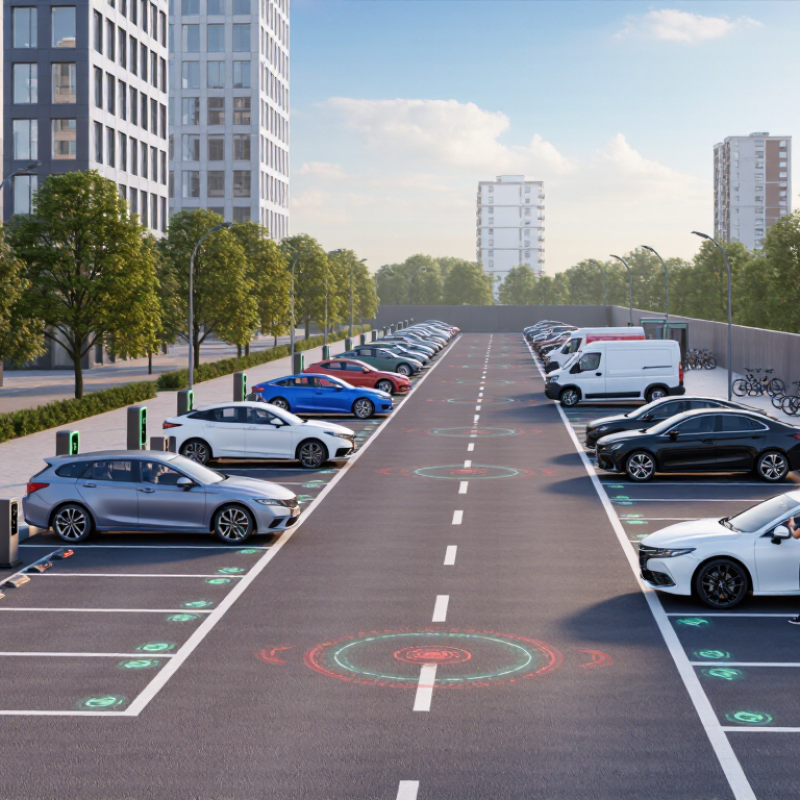
Smart parking devices are connected tools that help drivers find, enter, and leave parking spaces more efficiently. They usually include ground sensors, camera systems, space indicators, payment terminals, and management software. A sensor detects whether a vehicle occupies a space. The device then sends this status through a wireless network or wired gateway.
The process is simple. In a Parking Lot, an entrance camera may read a vehicle’s plate or scan a ticket, where local rules permit. Space sensors update availability within seconds. Digital signs guide drivers toward open areas, reducing unnecessary driving and fuel use. Meanwhile, software collects occupancy data and displays patterns for operators. Managers can identify crowded periods, check equipment status, and plan maintenance before small faults become expensive disruptions.
Good devices need more than attractive features. Buyers should examine sensor accuracy, weather resistance, network stability, installation needs, and data protection controls. A parking device may work well in a dry indoor garage but struggle with heavy rain, dust, or poor signal coverage. That detail is easy to overlook. In practical evaluations, false readings can occur when a sensor shifts or a vehicle stops outside its marked space. Regular testing, clear calibration procedures, and trained support staff improve reliability. No system is perfect. Global buyers should compare performance evidence, service capacity, and total operating costs instead of trusting specifications alone.
Which Parking Challenges Can Smart Devices Solve?
Why Choose Smart Parking Devices for Global Buyers?
Parking scarcity is no longer limited to crowded city centers. INRIX’s 2023 Global Traffic Scorecard reported that American drivers lost an average of 42 hours in traffic. Some of that delay begins with slow parking searches. Smart occupancy sensors can show whether a bay is free, reserved, or already occupied. Drivers receive clearer guidance instead of circling blocks and watching pedestrians near crowded entrances. That waste is measurable.
TomTom’s 2024 Traffic Index recorded severe congestion in many major cities, including London, where drivers lost more than 100 hours during rush periods. Smart parking devices can reduce unnecessary cruising through live space information, digital signs, and automated access records. They also help operators identify peak demand by hour.
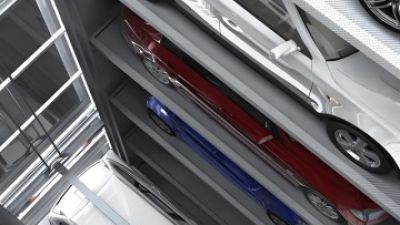
A Parking Lift can use vertical space when land is limited, allowing two vehicles to occupy a smaller footprint. The result depends on correct installation, safe loading limits, and regular inspections.
Still, technology is not magic. Sensors may misread mud, snow, or a poorly centered vehicle. Connectivity can fail inside concrete structures. Operators need practical testing, clear maintenance procedures, and accessible payment options. One overlooked issue remains human behavior. A driver may ignore a free-space signal if the route feels confusing. Smart systems should be judged in real parking areas, not only in product demonstrations.
What Benefits Do Smart Parking Devices Offer Global Buyers?
Smart parking devices give global buyers clearer control over limited parking space. Sensors can detect open spots and update drivers within seconds. This reduces circling, fuel waste, and unnecessary traffic near busy buildings. Operators also receive occupancy data for practical daily decisions. They can adjust parking rules, maintenance schedules, and staffing with stronger evidence.
In real installations, the best systems are not always the most expensive. Buyers should check sensor accuracy, weather resistance, battery life, and network compatibility. Local technicians also matter. A device may work well in a showroom but struggle with dust, rain, weak signals, or extreme temperatures. This is where many purchasing plans become too optimistic. No device is magic. Data protection and secure access controls deserve equal attention, especially when systems connect with payment or building networks.
Tips:
Request a live demonstration before ordering. Test detection during daylight, darkness, and heavy rain. Ask for replacement timelines and technical support in your region. Compare the total ownership cost, not only the unit price. Leave room for human review, because occasional false readings can still occur.
What Types of Smart Parking Devices Are Available?
Smart parking devices help global buyers manage crowded spaces with clearer data and fewer manual checks. The right device depends on climate, traffic volume, site layout, and maintenance access.
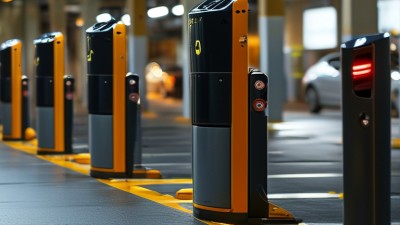
Ultrasonic sensors detect whether individual bays are occupied. They suit garages and covered parking areas. Ground sensors provide similar information in outdoor spaces. They usually need careful installation and reliable surface protection.
Camera-based systems monitor several spaces at once. They can support vehicle counting, access control, and plate recognition, but privacy safeguards are essential.
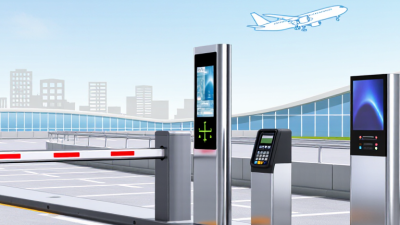
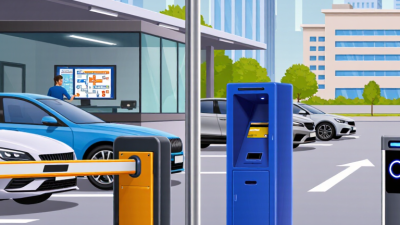
Digital occupancy signs guide drivers toward available areas. Barriers, ticket machines, and contactless payment terminals can improve entry and exit control.
Network gateways connect these devices to management software. However, connectivity failures still happen. A backup process remains necessary.
Tips: Test devices during rain, heat, dust, and poor lighting. Check detection accuracy before large-scale deployment. Ask suppliers about calibration, data storage, cybersecurity, spare parts, and local service support. A small pilot area can reveal blind spots and confusing driver behavior. Do not trust impressive specifications alone. Observe the device in daily use. Some systems appear efficient during testing but require frequent cleaning or adjustment later. Global buyers should also confirm voltage compatibility, installation standards, language settings, and integration options. Clear manuals and documented test results make supplier claims easier to verify.
Which Features Matter When Selecting a Smart Parking Device?
For global buyers, feature selection should begin with the parking site, not a fashionable specification sheet. The UN World Urbanization Prospects projects that 68% of the world’s population will live in urban areas by 2050. Demand will intensify. The INRIX Global Traffic Scorecard 2017 reported that drivers in the United States spent about 17 hours annually searching for parking. A capable device should detect occupancy accurately, even under rain, dust, poor lighting, and crowded conditions.
Battery life matters in large outdoor lots. Replacing hundreds of batteries is expensive and disruptive. Look for low-power operation, clear battery alerts, and practical maintenance access. Wireless connectivity should support stable data transfer through concrete walls and underground levels. Cellular, LoRaWAN, or other networks may fit different sites. There is no universal winner. A device that integrates with existing payment, access-control, and Robot Parking systems can reduce installation friction. Open APIs also prevent data from becoming trapped in one platform.
Security deserves equal attention. Encryption, role-based access, software updates, and privacy controls should be documented before purchase. The dashboard should show live occupancy, device health, and historical patterns, not merely colorful maps. Independent test results are more reliable than optimistic brochures. Ask about detection accuracy and false alerts in real conditions. Claims may look impressive. Field performance can disappoint. A pilot installation of several spaces is wise, although even a short trial may not reveal seasonal problems. Accessibility, local support, warranty terms, and total operating cost should influence the decision as much as the sensor itself.
How Can Buyers Evaluate Installation, Compatibility, and Support?
Global buyers should evaluate smart parking devices as infrastructure, not attractive gadgets. The INRIX 2017 Parking Pain report found that drivers spend about 17 hours yearly searching for parking. That wasted time also increases fuel use and frustration. Installation quality decides whether a device solves this problem.
Inspect the site before ordering. Check pavement depth, drainage, sunlight, cellular coverage, and nearby power points. A ground sensor may fail where water collects or heavy vehicles repeatedly cross it. Ask for documented installation tolerances and test results from similar climates. Real sites disagree with product sheets. That matters.
Compatibility requires more than a mobile application. Confirm support for open APIs, MQTT, LoRaWAN, LTE-M, or NB-IoT, depending on the project network. Request sample data, integration diagrams, and firmware-update procedures. The GSMA Mobile IoT Deployment Guide stresses coverage, power efficiency, and lifecycle planning for connected devices. Buyers should also review the device’s data format and ownership terms. Otherwise, switching platforms later may become expensive.
Support needs measurable commitments. Ask about response times, replacement stock, remote diagnostics, and technician availability across time zones. The Uptime Institute’s 2023 Global Data Center Survey reported that staffing and operational skills remain major reliability concerns. Parking projects face a similar weakness. A low price means little when a failed sensor stays offline for weeks. Run a limited pilot, record false readings, and challenge the supplier’s assumptions before full installation.
Why Choose Smart Parking Devices for Global Buyers?
How Can Buyers Evaluate Installation, Compatibility, and Support?
A practical evaluation model gives the greatest weight to compatibility because smart parking devices must work with existing access systems, sensors, software, and local power standards. Installation simplicity helps reduce deployment time and labor costs, while reliable technical support is important for long-term operation across different markets.
Buyers should confirm installation requirements, communication protocols, operating temperature, regional certifications, warranty coverage, replacement procedures, and the availability of multilingual technical assistance before placing an order.
What Should Global Buyers Consider Before Purchasing?
Global buyers should assess more than a polished dashboard before purchasing smart parking equipment.
The 2024 INRIX Global Traffic Scorecard reported that congestion cost drivers in major cities dozens of hours annually. That pressure makes reliable parking guidance valuable. Yet local traffic patterns matter. A sensor designed for dry climates may fail beside a wet coastal entrance. Ask for IP ratings, operating temperatures, detection accuracy, and tested performance in similar conditions.
Compatibility deserves equal attention.
Confirm whether the system supports existing barriers, payment terminals, cameras, and municipal data platforms. Open APIs can reduce future replacement costs. For
Tower Parking
projects, buyers should examine vehicle dimensions, lift capacity, emergency access, noise levels, and recovery procedures. The International Energy Agency reported continued global electric-vehicle growth in its Global EV Outlook 2024. Charging readiness may therefore influence parking design, even when current demand seems modest.
Cybersecurity cannot be treated as paperwork.
Request encryption details, software-update schedules, access logs, and a clear incident-response process. Calculate total ownership costs, including installation, connectivity, calibration, maintenance, and staff training. A low purchase price can hide expensive service visits. Test the hardware. Request an independent trial with real vehicles, poor lighting, and peak-hour traffic. No device is magic. Buyers should also verify warranty language and local technical support; these details are easy to overlook, and I have seen optimistic specifications become disappointing site results.
Full Automatic PCS Aisle Parking Systems: China Factory Guide to Space-Saving Robotic Tower Solutions
Full Automatic PCS Aisle Parking Systems from China factories offer a practical solution for urban sites where land is limited and parking demand is high. The vertical-lift rectangular tower uses robotic handling to store vehicles in a compact structure, reducing the need for ramps, wide aisles, and large ground-level areas. Its rectangular layout can be adapted to commercial complexes, public parking facilities, residential developments, and customized projects with irregular site conditions or restricted height and width.
The system supports two vehicle transfer options: comb-type transfer and robotic arm transfer. Comb transfer provides quick movement and low mechanical wear for standard vehicles, while robotic arms deliver stable gripping and greater adaptability for vehicles with slight dimensional differences. Intelligent positioning helps place each vehicle accurately and reduces the risk of scratches during storage and retrieval. Height, parking capacity, and external dimensions can be adjusted according to project requirements. Through remote code control and a secure web platform, operators can monitor equipment status, check space availability, and manage parking schedules with less manual work. This combination of automated operation, flexible configuration, and efficient vertical land use makes the system suitable for modern smart-city parking projects.
FAQS
They can show free, reserved, or occupied spaces in real time. This reduces circling, fuel waste, and driver frustration. Results depend on clear signs and accurate data.
No device is magic. Sensors reduce unnecessary searching, but they cannot create land or fix poor traffic design. Human behavior still matters.
Yes. They can place vehicles above one another, reducing the ground footprint. Safe loading limits, correct installation, and regular inspections remain essential. Space is not the only issue.
Check detection accuracy in rain, dust, poor lighting, and crowded conditions. Review battery life, alerts, maintenance access, and operating costs. A colorful dashboard is not enough.
Inspect pavement depth, drainage, sunlight, network coverage, and power points. Standing water can confuse or damage a ground sensor. Heavy vehicles may require stronger protection. Real sites disagree.
Cellular or low-power networks may suit different sites. Concrete walls and underground levels can weaken signals. Request coverage tests before full deployment.
Choose open data interfaces and documented formats. Confirm compatibility with payment, access control, and automated parking equipment. Otherwise, changing platforms later may become expensive.
Look for encryption, role-based access, software updates, and clear data ownership. Limit dashboard permissions. Security plans should be written, not merely promised.
Run a small pilot across several spaces. Record false readings, offline periods, and battery alerts. A short trial may miss winter or heavy rain. Test it anyway.
Ask about response times, replacement stock, remote diagnostics, warranty terms, and local technicians. Time zones can delay repairs. Cheap equipment becomes costly when it stays offline.
Conclusion
Smart parking devices combine sensors, cameras, wireless communication, and management software to monitor parking spaces and guide drivers more efficiently. A Parking Device can detect occupancy, support space reservations, manage access, provide payment information, and send real-time data to operators. These solutions help address common challenges such as limited parking visibility, unnecessary driving, congestion, unauthorized use, inefficient space management, and poor user experience.
For global buyers, smart parking devices may include space sensors, entry and exit controllers, payment terminals, guidance displays, license plate recognition equipment, and integrated management platforms. When selecting a solution, buyers should evaluate detection accuracy, connectivity, data security, weather resistance, power requirements, system compatibility, installation complexity, scalability, maintenance, and technical support. It is also important to consider local infrastructure, operating conditions, language needs, privacy expectations, total ownership costs, and long-term service availability. A carefully chosen system can improve parking efficiency, reduce operational pressure, and create a more convenient experience for both users and facility managers.