Leave Your Message
0%

Ever wondered why a car stacker might be the game-changer for efficient parking? Well, let’s be honest—urban land is getting pricier by the minute, and those traditional parking plans often end up wasting valuable space. That’s where a car stacker comes in. It stacks cars vertically, meaning you can park more vehicles in the same footprint by spreading them across different levels. It’s pretty clever! This kind of setup can really help out in tight spots—think apartments, offices, hotels, workshops, or private developments—without sacrificing ground space. Honestly, space is a game-changer.

A good Car Stacker Car Park can boost your parking capacity without needing a bigger lot. Plus, drivers often find it easier—there's less hassle with clear vehicle placements, controlled access, and they spend less time circling around looking for a spot. That said, everything depends on smart planning. Engineers need to consider vehicle sizes, how strong the floors are, ceiling height, drainage, ventilation, and how much traffic the site usually handles each day. Good manufacturer specifications and experience during installation are crucial too.

Reliable suppliers usually give you all the details—load data, how to operate it, inspection checklists, and ongoing maintenance info. It’s super helpful because it lets owners make decisions based on facts rather than just marketing fluff. Don't forget, a proper site check-out is essential. Things like power requirements, emergency access, training for users, and long-term upkeep—those small details can make or break the whole thing. Overlooking these can lead to costly delays, which is pretty easy to underestimate.

From a day-to-day standpoint, a car stacker can make land use much more efficient and lead to more predictable parking management. But hey, it’s not a one-size-fits-all solution. Some folks still prefer regular parking spaces—especially where cars turnover fast or accessibility is tricky. The key is honest planning—looking at actual site conditions, chatting with qualified pros, and weighing long-term costs. That way, you're more likely to end up with a parking setup that’s safe, practical, and suits your needs.
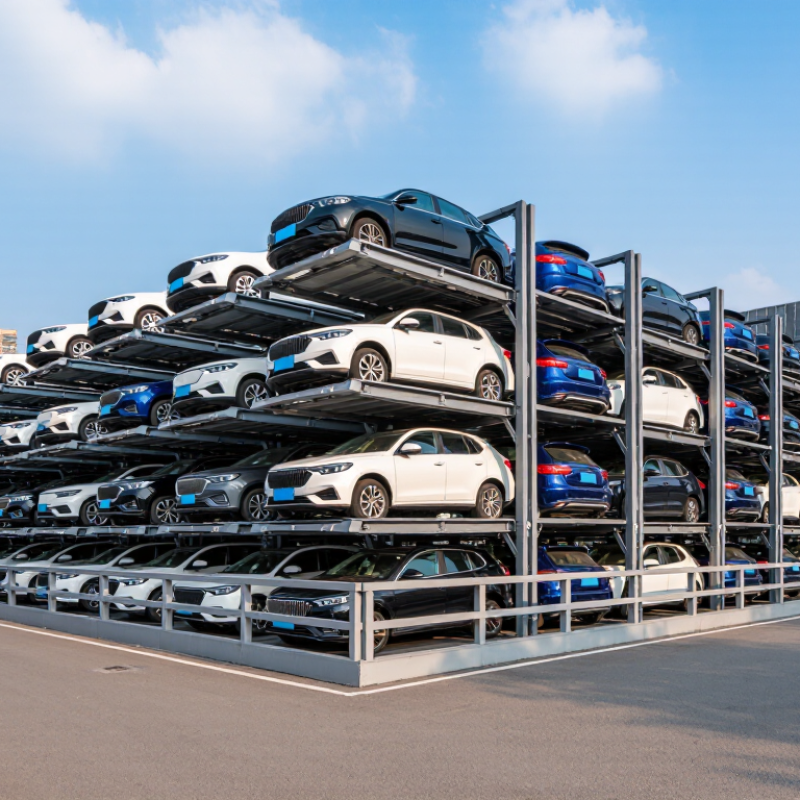
Why Choose a Car Stacker for Efficient Parking Solutions?

What Is a Car Stacker?

A Car Stacker is a mechanical parking system that stores one vehicle above another. It uses a powered platform, supporting posts, and safety locks. The lower vehicle usually parks on ground level, while the upper platform rises vertically. This design uses existing floor space more efficiently. In crowded garages, one parking bay can serve two vehicles. That matters.

Modern Car Stackers may use hydraulic or electromechanical lifting systems. Operators should check the platform’s rated capacity before installation. Sensors, locking mechanisms, emergency stops, and stable guide rails are essential features. A qualified installer should assess the floor strength, ceiling height, drainage, and vehicle dimensions. Small errors matter. A tall vehicle may touch overhead structures if measurements are rushed.

From practical parking assessments, daily convenience depends on more than lifting speed. Drivers need enough clearance to open doors and position vehicles safely. Regular inspections should examine cables, chains, bolts, hydraulic parts, and control buttons. Maintenance records also help identify repeated faults early. A Car Stacker is not a magic answer for every property. It can create delays when one vehicle blocks another. I may sound cautious, but poor planning weakens even a well-built system. Clear operating instructions and trained users make the equipment more dependable. Local building and safety requirements should always guide the final design.

How Does a Car Stacker Work?

A Car Park Stacker uses a vertical platform to place one vehicle above another. The lower vehicle enters the bay first. Then, a motor or hydraulic system lifts the platform along reinforced guide rails. Mechanical locks hold it at the selected height. The upper vehicle can then be parked beneath it, using space that would otherwise remain unused.

The process starts with the driver checking the marked stopping position. Sensors may confirm platform height, vehicle presence, and door clearance. Controls activate the lifting cycle only when key safety conditions are met. Some systems use ramps, wheel stops, and anti-fall devices to improve stability. The platform should move smoothly, without sudden vibration. It is not magic.

In daily use, operators must respect the stated weight, height, and wheelbase limits. A large vehicle can exceed the platform’s balance range. Even a small alignment error may affect wheel contact or door access. Regular inspections should examine cables, hydraulic seals, locks, sensors, and drainage points. Dust and water can create problems over time. I have found that simple visual checks often reveal issues earlier than expected. However, inspection alone cannot replace qualified maintenance. Local installation rules and professional assessments still matter.

Why Choose a Car Stacker for Efficient Parking Solutions?

A car stacker stores vehicles vertically, allowing multiple parking positions to occupy the footprint of a conventional parking bay. This comparison uses a typical 2.5 m × 5 m parking bay, equal to 12.5 m² per position, and excludes drive aisles, ramps, structural areas, and access clearance.

As the number of stacker levels increases, the number of parking positions rises within the same basic footprint. Actual capacity depends on equipment type, vehicle height, site regulations, safety clearances, and operating requirements.

Which Parking Challenges Can It Solve?

Why Choose a Car Stacker for Efficient Parking Solutions?

Limited land creates daily parking pressure in apartments, offices, workshops, and small commercial sites. A Stacker Car Lift uses vertical space instead of expanding the parking footprint. One vehicle parks above another, while the ground area remains compact and organized. This approach can help solve shortages where widening a driveway is impossible or costly.

Parking stackers also address irregular demand. A building may need more spaces during evenings but fewer during daytime hours. With suitable planning, vertical platforms can increase capacity without major structural expansion. They can reduce circling, blocked entrances, and unsafe roadside parking. However, every site needs a professional assessment. Ceiling height, vehicle dimensions, floor strength, drainage, lighting, and emergency access all matter. Small mistakes become inconvenient quickly.

Daily usability is another challenge. Drivers need clear controls, stable platforms, reliable sensors, and enough space to enter or exit safely. Maintenance access should be planned from the beginning, not added later. A stacker may not suit vehicles with unusual heights or users who need constant, independent access. It is not a perfect answer. In some projects, the extra operating steps feel frustrating during busy hours. Careful layout testing, user training, and regular inspections can reduce those problems. Real parking performance depends on both the equipment and the habits of the people using it.

What Types of Car Stackers Are Available?

Car stackers create extra parking capacity without expanding the building footprint. The available types suit different sites, vehicles, and operating habits. A dependent stacker lifts one vehicle above another. It works well in private garages, where the lower car can move when needed. This option is usually compact and cost-conscious.

An independent stacker allows each vehicle to enter or leave separately. That matters in apartment buildings and commercial facilities with frequent parking changes. Puzzle stackers arrange platforms vertically and horizontally, creating several spaces within one bay. They use more complex controls, but they can solve irregular layouts. Rotary stackers move vehicles around a central system and suit narrow sites with limited maneuvering room. They may feel efficient, though daily operating speed needs careful checking.

Hydraulic and mechanical lifting systems are both common. Hydraulic models often provide smooth movement, while mechanical systems can offer stable positioning and simpler long-term servicing. Specifications matter more than appearance. Check platform load ratings, ceiling clearance, drainage, emergency lowering, and sensor coverage. A qualified installer should inspect the slab and access route before recommending equipment.

One overlooked detail is driver behavior. A tall vehicle may fit technically but still feel awkward to position. That can reduce real-world capacity. Maintenance access also deserves attention. A system that looks perfect on a drawing may become inconvenient after installation. Personally, I would test a full parking cycle before approving the layout. Small delays become frustrating when several drivers arrive together.

What Benefits Does a Car Stacker Provide?

A Stacker Car Park creates more parking spaces without expanding the building footprint. It uses vertical height, which is valuable on compact urban sites. Two vehicles may occupy one ground-level bay, while larger systems can serve several cars. This arrangement can reduce land costs and protect valuable outdoor space. Drivers also benefit from clearer circulation and shorter searches for an available bay. Less cruising may mean lower fuel use and fewer unnecessary emissions.

The practical benefits depend on careful planning. A reliable platform should include safety locks, emergency controls, drainage protection, and clear weight limits. Maintenance access matters too. A neglected system can become inconvenient quickly. Operators should inspect moving parts, sensors, and lighting on a planned schedule.

Users may appreciate weather protection, especially during heavy rain or extreme heat. However, loading times can be slower during busy periods. It is not a magic fix. I would question the design if residents have different vehicle sizes or urgent exit needs.

Accessibility, fire planning, and local building requirements must be reviewed by qualified professionals. Good lighting and simple instructions can prevent confusion at the entrance. Small details matter. A realistic traffic assessment makes the system more dependable, comfortable, and suitable for daily parking.

What Factors Should You Consider Before Choosing One?

Choosing a car stacker starts with the site, not the machine. Measure ceiling height, column spacing, turning radius, and floor strength. A compact system may double capacity, but it can fail when larger vehicles cannot enter comfortably. The INRIX 2017 Parking Pain report found that drivers spent about 17 hours annually searching for parking in major markets. Better space planning can reduce this daily frustration. Still, capacity figures alone are misleading. Check the usable platform size, vehicle height limit, and loading time.

Safety and reliability deserve closer attention. Ask whether the system includes mechanical locks, emergency lowering, overload protection, and backup power. Review maintenance schedules and the availability of trained technicians. ISO 12100 risk-assessment principles can help guide equipment evaluations, even when local rules differ. Request independent inspection records, not only sales estimates. A few seconds saved per cycle may not justify difficult repairs. Real operating conditions are rarely perfect.

Tips: Test the stacker with your largest vehicle. Mark walking paths and door clearance on the floor first. Compare noise levels during nighttime use. Ask for a written service response time. Also, calculate electricity use and drainage needs. The U.S. Department of Energy reports that vehicle size and weight continue to influence parking-space design and energy demand. That detail is easy to overlook. Speak with actual operators, if possible. Their complaints may reveal problems that brochures hide.

Why Choose a Car Stacker for Efficient Parking Solutions? - What Factors Should You Consider Before Choosing One?

Evaluation Factor Typical Reference Data Why It Matters What to Check Before Selection
Parking Capacity Usually 2 vehicles per bay for a basic stacker; multi-level systems may accommodate more. A stacker can increase the number of parking positions without expanding the building footprint. Compare the required number of spaces with available width, height, access lanes, and vehicle circulation areas.
Vehicle Weight Capacity Common passenger-car platforms are often rated around 2,000–2,700 kg; heavier vehicles require higher-rated equipment. Exceeding the rated load can affect structural safety, lifting performance, and equipment life. Use the heaviest intended vehicle, including passengers, luggage, and optional accessories, as the design reference.
Vehicle Dimensions Platform lengths commonly range from approximately 4.8–5.5 m, while usable widths are often about 2.0–2.5 m. Adequate clearance reduces the risk of door, mirror, bumper, and wheel damage. Measure the longest, widest, and tallest vehicles that will use the system, not only the average car.
Available Ceiling Height Many two-level systems require roughly 3.3–4.5 m of clear height, depending on vehicle height and lifting height. Insufficient overhead clearance can prevent installation or restrict the types of vehicles that can be stored. Measure from the finished floor to the lowest obstruction, including beams, pipes, lights, and fire-sprinkler equipment.
Lifting and Retrieval Time A typical lifting or lowering cycle may take about 45–90 seconds, depending on the system and load. Shorter cycles improve convenience and reduce waiting during busy periods. Request measured cycle times under the intended load and confirm whether loading, unlocking, or positioning adds extra time.
Drive System and Power Supply Electric hydraulic or electromechanical systems are common; power requirements vary by design and local supply. The drive system affects operating speed, noise, maintenance, and installation cost. Confirm voltage, phase, connected load, circuit protection, emergency lowering, and backup procedures with a qualified electrician.
Installation Surface and Foundation Requirements depend on point loads, anchoring design, slab thickness, concrete strength, and local ground conditions. A suitable foundation is essential for stability, alignment, and long-term safe operation. Obtain a site-specific structural assessment rather than relying on a general slab-thickness assumption.
Safety Features Important features include mechanical locks, anti-fall protection, overload protection, emergency stops, and obstruction sensors. Multiple independent safeguards help protect people, vehicles, and the structure during operation. Verify safety testing, guarding, control interlocks, user instructions, and compliance with applicable local regulations.
Weather and Corrosion Protection Outdoor installations generally require weather-resistant coatings, protected electrical components, and suitable drainage. Moisture, salt, and temperature changes can accelerate corrosion and increase maintenance needs. Select protection based on the site environment and confirm drainage, coating specification, and ingress protection ratings.
Maintenance Requirements Routine inspections commonly cover hydraulic components, cables or chains, locks, anchors, sensors, and controls. Preventive maintenance helps identify wear before it causes downtime or safety risks. Ask for the service schedule, inspection checklist, spare-parts availability, technician response time, and warranty terms.
Total Cost of Ownership Costs include equipment, civil work, electrical installation, permits, maintenance, energy, insurance, and possible modifications. The lowest purchase price may not provide the lowest long-term operating cost. Compare the expected service life, annual maintenance, energy use, downtime risk, and installation requirements over several years.
Access and User Convenience Access width, turning radius, control position, lighting, and pedestrian separation vary by site. A technically suitable stacker may still be inefficient if users cannot enter, exit, or retrieve vehicles comfortably. Test the complete parking maneuver with representative vehicles and assess accessibility for all intended users.
Regulatory and Approval Requirements Requirements may cover building permits, fire safety, electrical work, accessibility, structural design, and periodic inspections. Approval delays or non-compliance can prevent operation even after installation is complete. Consult the relevant authority and a qualified engineer before finalizing the layout or purchasing equipment.

Note: The figures shown are typical planning references for passenger-vehicle stackers. Final specifications must be confirmed through a site survey, structural review, vehicle assessment, and applicable local regulations.

FAQS

What is the main benefit of a car stacker?

It creates extra parking spaces without expanding the building footprint. It uses unused vertical height. Two vehicles may share one ground-level bay. This can protect valuable outdoor space and reduce land pressure.

Can a car stacker reduce parking frustration?

It may reduce time spent searching for an available space. Clearer circulation can make entry and exit less confusing. Less cruising may also reduce fuel use and unnecessary emissions. Results depend on realistic traffic planning.

What site measurements are important before installation?

Measure ceiling height, column spacing, turning radius, and floor strength. Check the platform size and vehicle height limit. Mark door clearance and walking paths on the floor. A system can look suitable on paper but fail with larger vehicles.

How should vehicle compatibility be checked?

Test the system with the largest vehicle expected to use it. Check vehicle height, weight, width, and ground clearance. Do not rely only on advertised capacity. That number can mislead.

Which safety features should a car stacker include?

Look for mechanical safety locks and emergency controls. Overload protection and backup power are also useful. Clear weight limits should be displayed near the entrance. Drainage protection matters during heavy rain.

What maintenance does a car stacker require?

Operators should inspect moving parts, sensors, locks, and lighting regularly. Ask for a written service response time. Confirm access to trained technicians and replacement parts. Neglected equipment becomes inconvenient quickly. That risk is easy to underestimate.

Could a car stacker cause delays?

Yes, loading and unloading may take longer during busy periods. Several drivers may wait for the same platform. Urgent exit needs deserve careful review. It is not a magic fix.

What comfort and accessibility details deserve attention?

Good lighting and simple instructions can prevent entrance confusion. Check walking routes, door clearance, noise, and weather protection. Review accessibility, fire planning, and local building requirements with qualified professionals. Small details matter.

How can operating costs be estimated?

Calculate electricity use, drainage needs, inspections, and planned repairs. Compare these costs with the value of added parking spaces. Consider nighttime noise and waiting times. The cheapest option may not be the easiest to operate.

Conclusion

A Car Stacker is a mechanical parking system designed to place one vehicle above another, making better use of limited vertical space. It works through a lifting platform or movable structure that raises, lowers, or positions vehicles safely, depending on the system design. By increasing parking capacity without requiring a larger footprint, it can help address crowded residential areas, commercial properties, workshops, and other locations where conventional parking is insufficient. Different options may include simple two-level stackers, dependent or independent platforms, and systems suited to private or shared parking environments.

Choosing a Car Stacker can provide valuable space savings, improved parking organization, and greater flexibility for property owners and drivers. However, the decision should consider vehicle size and weight, available ceiling height, platform dimensions, lifting speed, safety features, maintenance requirements, installation conditions, operating convenience, and total cost. A suitable solution should match the site layout, expected usage, local conditions, and long-term parking needs while providing reliable and practical performance.
Liam

Liam

Liam is a dedicated marketing professional based in Jiading District, Shanghai, who plays a pivotal role in promoting the company's innovative mechanical parking systems. With a deep understanding of the industry, he consistently updates the company's professional blog, sharing insights on......
Previous What Are the Best Parking Equipment Manufacturers in China?