Why Choose a Car Lift for Your Workshop?
A Car Lift can change how a workshop uses every square metre. A raised vehicle exposes suspension joints, brake lines, exhaust components, and oil pans clearly. Technicians also gain better working posture beneath the chassis. This matters during long repair periods. The U.S. Bureau of Labor Statistics projects about 78,000 automotive service technician openings annually from 2023 to 2033. That demand makes efficient workshop design increasingly important. However, a lift does not replace trained judgment. It only supports it.
The Automotive Lift Institute (ALI) emphasizes certified equipment, correct installation, and regular inspection. Its standards address structural performance, locking systems, and safe operation. A reliable Auto Lift Car Lift should match the vehicle weight, wheelbase, ceiling height, and daily workload. For example, a two-post lift may suit brake repairs, while a four-post lift can support alignment work and vehicle storage. Grand View Research identifies automotive repair and maintenance as a growing global service market, driven by aging vehicles and rising repair needs. More vehicles mean more pressure on each workshop bay.
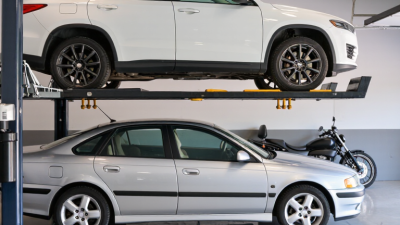
The practical benefit appears in small details. A technician can roll a drain pan underneath without crawling around tires. Tools stay at waist height. Another vehicle may occupy the floor beneath a raised car, where local rules and manufacturer guidance permit. That assumption requires care. Poor anchoring, skipped inspections, or overloaded arms can create serious hazards. Workshop owners should compare ALI certification, service access, warranty support, and operator training before purchase. The cheapest lift may become the most expensive decision. A thoughtful choice improves access, workflow, and confidence, but only when discipline remains part of the system.
What Is a Car Lift and How Does It Work?
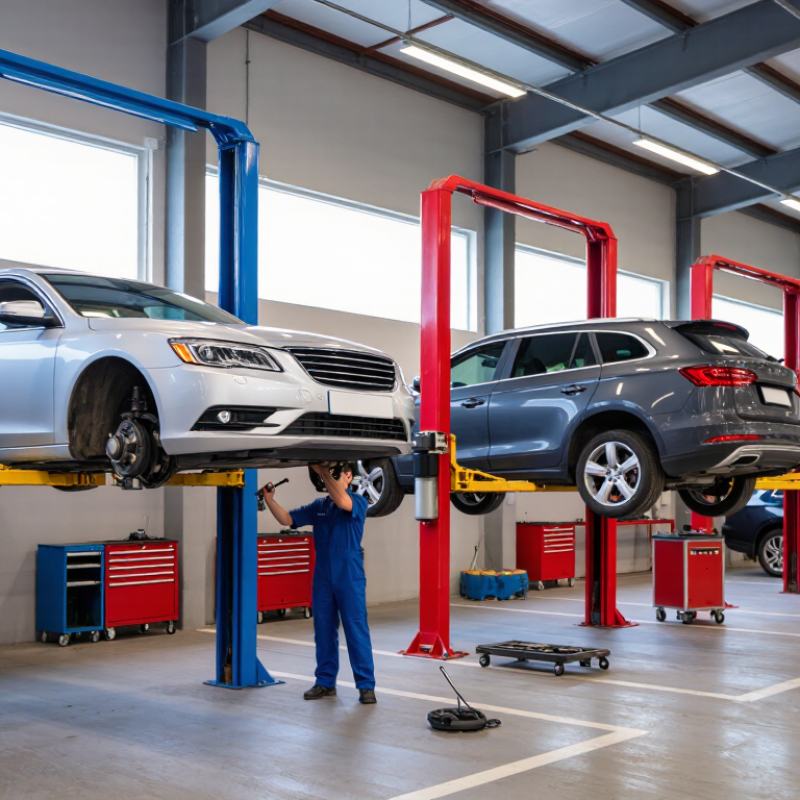
A car lift is powered equipment that raises a vehicle above the workshop floor. It creates access to wheels, brakes, suspension, and underbody components. A Scissor Lift Car Lift uses crossed steel arms beneath the vehicle. Hydraulic cylinders push these arms upward, while platforms support approved lifting points. Two-post and four-post designs use columns, arms, or runways instead.
Hydraulic pressure performs the lifting. Mechanical locks hold the vehicle at a selected height. Never rely only on hydraulic pressure. The operator should check the rated capacity, lifting points, arm position, and lock engagement before entering the work area. A slight imbalance can shift a vehicle unexpectedly. That detail is easy to underestimate.
The U.S. Bureau of Labor Statistics reported about 782,200 automotive service technician and mechanic jobs in 2023. Its Occupational Outlook Handbook projects approximately 2% employment growth from 2023 to 2033. This scale makes repeatable lift procedures important, not optional. OSHA guidance also stresses training, inspections, and stable support during vehicle servicing. These controls do not remove every risk. They reduce avoidable mistakes. In practice, technicians may rush a familiar lift, especially during busy periods. That is where a written inspection routine proves its value. A lift is not just workshop furniture.
Why Choose a Car Lift for Your Workshop?
A car lift raises a vehicle to a safe working height using hydraulic cylinders, electric motors, mechanical screws, or synchronized lifting columns. The chart compares representative specifications commonly found in professional workshops.
Two-post and four-post lifts are widely used for general servicing, scissor lifts provide a compact solution, and mobile column lifts support heavier vehicles. Actual capacity and height depend on the lift design and installation requirements.
Key Reasons Workshops Use Car Lifts
Why Choose a Car Lift for Your Workshop?
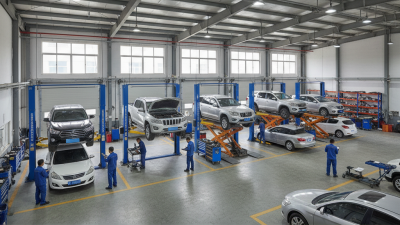
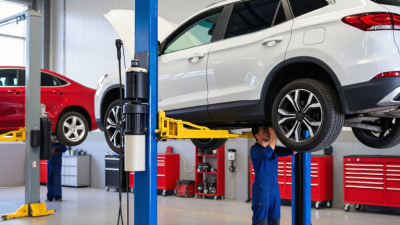
Workshops use car lifts to create safer, faster, and more workable service bays. A raised vehicle gives technicians clear access to brakes, suspension, exhaust systems, and underbody leaks. It also reduces crawling, kneeling, and awkward reaching during repeated repairs. Small changes matter.
S&P Global Mobility reported that the average age of light vehicles reached 12.6 years in 2024. Older vehicles often require more inspections and suspension, brake, and corrosion-related repairs. A lift helps technicians examine these areas at eye level. This can shorten diagnosis time and improve the consistency of repair decisions. However, a lift is not a shortcut. Poor positioning or rushed locking procedures can create serious risks. OSHA guidance stresses proper training, stable lifting points, inspections, and controlled work areas.
A lift can also improve workshop capacity. One bay may handle routine servicing above ground while another vehicle waits below, depending on local safety rules and equipment design. TechForce Foundation’s 2024 Transportation Technician Supply and Demand Report projected a need for more than one million new technicians over five years. Better equipment cannot replace skilled workers, but it can help them use their time more effectively. In practice, the best results come from matching lift capacity, ceiling height, vehicle types, and maintenance schedules. Some workshops discover this too late. A cheaper lift may become expensive when installation, inspections, and training are overlooked.
Types of Car Lifts for Different Workshop Needs
Choosing the right lift depends on the workshop’s daily work, ceiling height, and available floor space. A two-post lift suits routine repairs, brake work, and suspension inspections. Its open sides give technicians clear access to wheels and underbody components. However, correct arm placement matters. An uneven load can create serious instability.
A four-post lift offers excellent stability for vehicle storage, wheel alignment, and longer maintenance tasks. It needs more floor length, but its drive-on platform makes positioning quick. For workshops with limited height, a scissor lift is often more practical. Low-rise models handle tyres and basic inspections, while full-rise versions provide better underbody access. They can also leave less obstruction around the vehicle. A drawback remains: some central components may be harder to reach.
Mobile column lifts work well for heavier vehicles and flexible bay layouts. Technicians can move the columns when the workshop changes. In a Car Lift Car Park setting, this flexibility may help manage vehicle storage and repair traffic. Before installation, check the floor strength, lift capacity, locking system, and emergency lowering procedure. These details are easy to overlook. I would also measure the tallest vehicle twice. A lift may fit on paper, yet overhead doors, lights, or roof panels can change the decision. Practical testing with a loaded vehicle is wiser than trusting a brochure alone.
How a Car Lift Improves Safety and Work Efficiency
Why Choose a Car Lift for Your Workshop?
How a Car Lift Improves Safety and Work Efficiency
A Car Lift gives technicians clearer access to brakes, suspension, exhausts, and underbody components. The raised vehicle reduces awkward bending and keeps tools within a more comfortable working range. In my workshop experience, this position makes inspection points easier to see. It also helps technicians notice loose fasteners, damaged lines, and uneven wear.
Safety depends on disciplined use. Before lifting, check the floor, lifting pads, arms, and visible hydraulic parts. Confirm the vehicle weight and balance against the lift’s rated capacity. Place the contact points carefully, then raise the vehicle slightly and pause. This small test can reveal shifting or poor alignment. Engage the mechanical locks before working underneath. Keep doors, tools, and people clear of the lifting area.
Efficiency improves when preparation becomes routine. A technician can roll a drain pan underneath, position a work light, and reach both sides of the vehicle without repeated repositioning. Jobs that once required crawling may become more controlled and less tiring. Still, a lift is not a substitute for training or judgment. Rushing the setup can erase its safety benefits. I have also found that clutter near the lift creates unnecessary delays. A clean floor helps, but it does not guarantee a safe repair. Regular inspections, clear procedures, and careful attention remain essential.
Important Capacity, Space, and Installation Requirements
Why Choose a Car Lift for Your Workshop?
A car lift earns its place by improving access, safety, and working speed. Capacity is the first requirement to verify. Check the vehicle’s gross weight, not only its empty weight. A lift rated above that figure provides a safer working margin. That margin matters. Include tools, spare parts, and uneven loading during repairs. In daily work, lifting near the limit can reduce stability and increase equipment wear. Do not guess. Review the technical data before purchase.
Space planning prevents expensive surprises. Measure the ceiling height, bay width, floor area, and entrance clearance. Allow room for doors, lighting, tool carts, and technician movement. Remember the raised vehicle, not just the lift columns. A tall van may reach lights, beams, or storage shelves. Bay width also affects how easily a technician can open doors. I once planned a compact bay that looked efficient on paper. In practice, the cart blocked the vehicle door. The layout needed more space.
Installation depends heavily on the existing floor. Confirm concrete thickness, strength, levelness, and possible cracks with a qualified professional. Anchors must match the specified installation method. Electrical supply, hydraulic lines, drainage, and overhead clearance also deserve inspection. A certified installer should set, level, and test the lift before regular use. Keep the installation records and inspection schedule. Small errors become serious when loads are elevated. Even experienced teams can overlook a low ceiling or weak floor section. That possibility deserves a second measurement.
How to Choose the Right Car Lift for Your Workshop
Why Choose a Car Lift for Your Workshop?
Choosing the right Auto Lift Car begins with your actual workflow. A two-post lift suits brake work, suspension repairs, and limited floor space. A four-post lift offers better stability for wheel alignment, storage, and heavier vehicles. Check each vehicle’s weight, lifting points, ceiling height, and door clearance. Never select capacity by today’s smallest car. Electric vans and larger SUVs are changing workshop requirements.
The U.S. Bureau of Labor Statistics reports about 67,700 annual openings for automotive service technicians from 2023 to 2033. That pressure makes safe, efficient equipment important.
The Automotive Lift Institute stresses correct installation, rated capacity, and regular inspection. OSHA guidance also supports documented maintenance and energy-control procedures.
A lift is not just steel and hydraulics. It affects technician posture, repair speed, and customer safety. A common mistake is treating lifting height as the main measurement. It is not always the best one.
Tips: Measure the bay before shopping. Leave room for doors, tool carts, and walking paths. Compare lifting capacity with the heaviest vehicle you may service. Confirm adapter height and floor requirements. Ask for service records and training materials. I would also review the layout after installation. Real work often exposes problems that drawings miss. A control panel may feel convenient, yet become awkward beside a crowded tool cabinet. The “perfect” choice can still need adjustment.
Hydraulic Two-Post Car Lift Market Outlook: 2025 Data from Grand View Research & Fortune Business Insights
The 2025 outlook for the hydraulic two-post car lift market remains positive as urban parking shortages, rising vehicle ownership, and demand for space-efficient storage encourage investment in compact lifting equipment. Industry assessments from Grand View Research and Fortune Business Insights indicate continued market expansion, with growth supported by residential garages, automotive service facilities, dealerships, and commercial parking applications. Their analyses also highlight the importance of lifting capacity, installation flexibility, safety engineering, and suitability for different vehicle types as buyers compare equipment in a more competitive market.
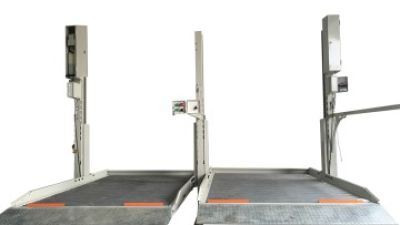
The Simple Parking System responds to these requirements through three two-post lift models featuring a practical dual-level design. The system can store two vehicles in the footprint of one, with a maximum lifting height of 2,100 mm and rated capacities of 2,700 kg, 2,300 kg, or 3,200 kg. It is suitable for both sedans and SUVs, while the lower vehicle remains readily accessible; moving it is required only when parking or retrieving the upper vehicle. Customizable platform dimensions allow the equipment to match different garage layouts and vehicle sizes. Manufactured and supplied from China, the system is designed for efficient space utilization, dependable daily operation, and tailored parking projects.
FAQS
A car lift raises a vehicle above the workshop floor. It exposes wheels, brakes, suspension, and underbody parts. It is more than workshop furniture.
Crossed steel arms sit beneath the vehicle. Hydraulic cylinders push the arms upward. Platforms support approved lifting points.
No. Mechanical locks should support the vehicle at the selected height. Never rely only on hydraulic pressure.
Check the rated capacity, lifting points, arm positions, and lock engagement. Inspect the floor and surrounding work area. Small errors matter.
A two-post lift often suits routine repairs. Its open sides provide clear access to wheels and underbody components. Arm placement must remain even.
A four-post lift offers strong stability for storage, alignment, and longer maintenance tasks. Its drive-on platforms simplify vehicle positioning. It needs more floor length.
Often, yes. Low-rise models handle tyres and basic inspections. Full-rise models provide better underbody access. Some central components may remain difficult to reach.
Measure floor strength, ceiling height, vehicle size, lift capacity, and available bay space. Check doors, lights, and roof panels too. Measure twice.
It can reduce crawling, kneeling, and awkward reaching. Technicians may inspect older vehicles more efficiently. Equipment cannot replace trained judgment.
Do not rush a familiar lifting procedure. A slight imbalance can shift a vehicle unexpectedly. A written inspection routine may feel repetitive, but it helps.
Conclusion
A Car Lift is an essential workshop system designed to raise vehicles safely, giving technicians clear access to the underside for inspections, repairs, maintenance, and cleaning. By using hydraulic, electric, or mechanical lifting mechanisms, it improves visibility and working posture while reducing the need for floor-level work. Workshops may choose from two-post, four-post, scissor, or mobile lifts, depending on vehicle types, service tasks, available floor space, and desired flexibility.
Selecting the right Car Lift requires careful attention to lifting capacity, vehicle height, platform dimensions, ceiling clearance, floor strength, and installation conditions. A properly selected and installed lift can improve workflow, reduce service time, and create a safer, more organized work environment. Before making a decision, workshop owners should evaluate their daily workload, the vehicles they commonly service, available space, safety features, maintenance requirements, and operator training needs to ensure the equipment delivers reliable long-term value.