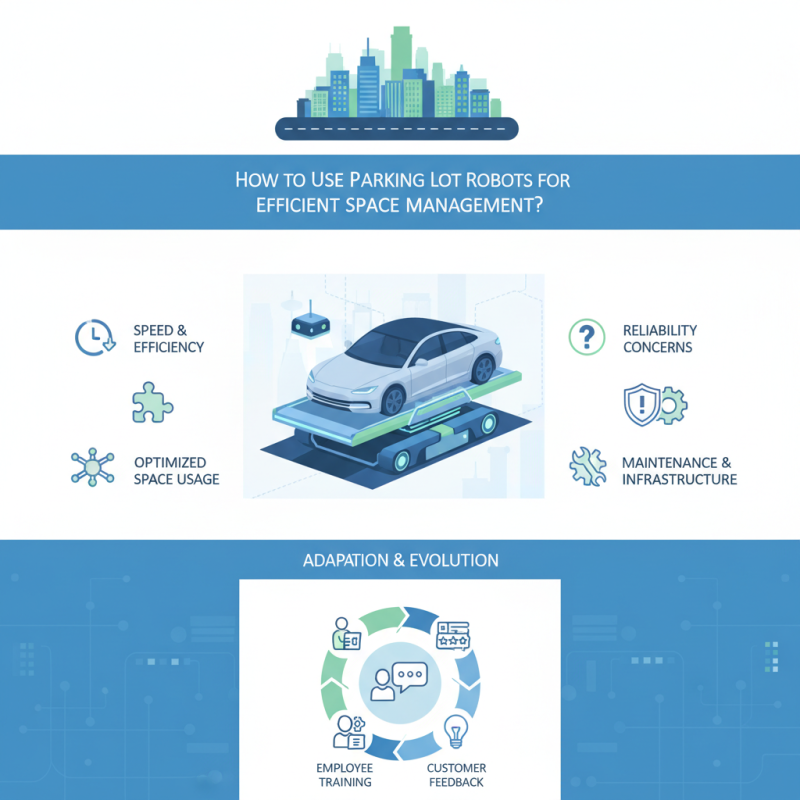
Have you checked out these Parking Lot Robots? They're really changing the game when it comes to managing parking spots. As cities get more crowded, making the most of limited space is more important than ever. Companies like RoboPark and ParkPlus are really leading the charge here, using some pretty advanced tech to make parking more efficient. Basically, these robots move vehicles around on their own, helping to optimize the space so everything runs smoother.
That said, there are a few things to keep in mind. Sure, these robots are speedy, but people sometimes worry about how reliable they really are. Safety is another concern – folks want to be sure their vehicles are in good hands. To keep things running smoothly, regular maintenance is a must. Also, the design of the parking lot itself matters a lot — not all spaces are a perfect fit for these high-tech solutions.
Getting used to Parking Lot Robots isn’t just plug-and-play; it means some adjustments. Staff might need a bit of training to work alongside the robots, and it’s super important for companies to listen to what users have to say. Gathering feedback helps fine-tune things and makes the experience better for everyone. Overall, jumping into this tech is a cool opportunity for innovation, but it definitely needs thoughtful planning and execution to work well.
Understanding Parking Lot Robots: An Overview
Parking Lot robots represent a leap forward in efficient space management. These automated machines optimize the use of available parking space. According to industry research, implementing parking lot robots can increase space utilization by up to 30%. This innovation offers a game-changing approach to an age-old problem.
Utilizing parking lot robots can reduce congestion and improve traffic flow. They can park vehicles efficiently, often in tighter spaces. Reports indicate that around 70% of drivers experience frustration finding available spots. Robots alleviate much of this stress, enabling users to focus on other tasks.
Tips: Regular maintenance of parking lot robots is crucial. Ensure they are calibrated correctly to provide optimal service. User feedback is vital, too. Collecting data helps identify areas needing improvement.
Despite these advantages, parking lot robots might not be a one-size-fits-all solution. Local regulations or infrastructure may not support their use everywhere. Some users might feel uncomfortable relying entirely on automation. Adjustments are necessary for successful integration into current systems, and understanding these factors is essential.
The Technology Behind Parking Lot Robots
Parking lot robots are revolutionizing space management in urban areas. These automated systems use advanced sensors and AI to navigate complex parking environments. They can detect available spaces and maneuver vehicles to optimize parking density. When deployed effectively,
Smart Parking Lot solutions can reduce congestion and ensure maximum usage of every square foot.
The technology relies on a combination of cameras, radar, and machine learning algorithms. These tools help the robots understand their surroundings. They recognize pedestrians, bicycles, and other vehicles, which is essential for safety. However, this technology isn't foolproof. There are instances where the robots misinterpret signals, leading to parking errors. It's a learning process for both the robots and the operators.
With ongoing advancements, the hope is that these machines will become more reliable. The integration of real-time data can greatly enhance efficiency in smart parking lot systems. However, ensuring the safety and accuracy of these robots remains a challenge. Developers must continually refine their programs. Embracing both successes and failures will be key to the future of automated parking solutions.
Benefits of Using Parking Lot Robots for Space Management
Parking lot robots are revolutionizing space management in busy areas. These automated devices help maximize parking efficiency. They can park and retrieve vehicles with precision. This technology can reduce the danger of human error in crowded lots.
Using parking lot robots provides numerous benefits. They save time for drivers by quickly finding and securing a spot. This minimizes congestion and waiting time. The robots require less space than traditional parking, allowing more vehicles in the same area. They also enhance security by reducing the chance of break-ins.
Here are a few tips for effective use of parking lot robots:
- Ensure regular maintenance for optimal performance.
- Consider setting up clear signage to guide users. This can prevent confusion and improve the overall experience.
- Monitor the system for any glitches, as technology isn’t always perfect.
- You may need to adjust the system based on user feedback.
Steps to Implement Parking Lot Robots in Your Facility
Parking lot robots are revolutionizing space management. Implementing them requires careful planning and execution. Start by assessing your parking facility's needs. Measure the size and layout of your lot. Identify areas that would benefit from automation. This helps you determine how many robots your facility needs.
Tip: Choose robots that fit your space. Opt for models that can navigate tight corners and narrow lanes. Keep in mind that some robots may require more maintenance than others.
Next, establish a clear workflow for how the robots will operate. Create designated drop-off and pick-up zones. This minimizes confusion and improves efficiency. Monitor how the system functions in real-time. You may find areas needing adjustments.
Tip: Engage staff during the transition. Their insights can streamline integration. They may spot potential issues early on. Consider small pilot tests before full implementation. Adjust based on feedback and observations.
Lastly, ensure you have reliable support for ongoing operations. Parking Lot Lifts greatly enhance their capabilities. Regularly check functionality and battery life. This ensures seamless service to customers. Your facility can then enjoy the full benefits of automation.
Efficiency of Parking Lot Robots in Space Management
Integrating Parking Lot Robots with Existing Infrastructure
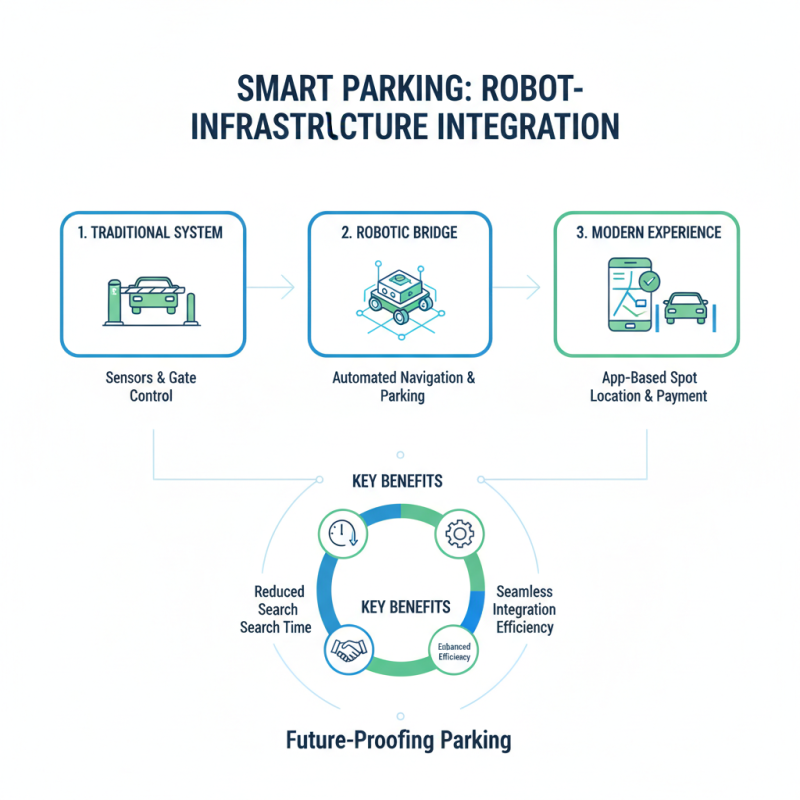
Integrating parking lot robots with existing infrastructure can streamline operations. These robots can bridge the gap between traditional Parking Lot Systems and modern technology. They navigate these spaces efficiently, reducing the time drivers spend searching for spots. Each robot communicates with sensors embedded in the ground. This interaction creates a seamless experience.
However, integration isn’t without challenges. Not every parking lot has the infrastructure needed for robots. Some spaces lack adequate power supplies or data connections. Upgrading these elements can be costly. It's essential to assess the specific needs of the lot before deployment. Regular maintenance of both robots and the existing systems is necessary.
Incorporating robots into Parking Lot Systems can enhance efficiency. Yet, it's worth considering the human element. How will staff interact with these robots? Training will be vital for successful integration. Finding the right balance between technology and human oversight could lead to a more effective parking solution.
Challenges and Solutions in Parking Lot Robot Deployment
The deployment of parking lot robots faces several challenges that need addressing. One major issue is infrastructure compatibility. Many parking lots were not designed with robotics in mind. Traditional parking layouts can hinder robot navigation. Studies show that about 30% of parking facilities require significant modifications for robot implementation. This has raised concerns about the cost-effectiveness of such a transition.
Another challenge is the operational reliability of the robots themselves. Some robots may struggle with adverse weather conditions. Rain or snow can affect their sensors and mobility. Additionally, maintenance needs can increase operational costs by 20%. This uncertainty makes it difficult for businesses to commit fully to automated systems.
User acceptance is another hurdle. Not all drivers feel comfortable with robots handling their vehicles. Concerns about safety and potential damage can deter adoption. According to a recent survey, around 25% of respondents expressed hesitance in trusting these technologies. Addressing these fears through education and demonstrative trials is essential. Balancing technology with user trust is crucial for successful implementation.
How to Use Parking Lot Robots for Efficient Space Management? - Challenges and Solutions in Parking Lot Robot Deployment
| Dimension |
Description |
Challenges |
Potential Solutions |
| Initial Setup Costs |
Investment required for robot and infrastructure |
High capital expenditure |
Phased deployment and leasing options |
| Maintenance Needs |
Regular service and upkeep of robots |
Ongoing operational costs |
Comprehensive maintenance contracts |
| User Acceptance |
Public perception and willingness to use robots |
Skepticism towards robotic technology |
Education and demonstration events |
| Routing and Logistics |
Efficient movement within the parking lot |
Complex traffic patterns |
Advanced algorithms and real-time data |
| Safety and Security |
Protection of vehicles and pedestrians |
Accidents and theft concerns |
Integrated surveillance and emergency protocols |
Future Trends in Parking Lot Robotics and Space Management
Parking lot robotics is revolutionizing space management. According to recent industry reports, automated systems can increase parking efficiency by 60%. This is crucial in urban areas where space is limited. These robots optimize space usage, allowing more cars to fit in smaller areas. For instance, some models can park vehicles more closely together than human drivers.
Future trends show a rise in integrating AI with parking lot robots. AI can predict peak hours and adjust operations accordingly. A study indicated that AI-driven robots can reduce wait times by up to 30%. However, challenges remain. The technology is expensive to implement, and not all facilities can afford it. Maintenance can also be a hassle, requiring skilled technicians.
Sustainability is another trend. Many companies are developing eco-friendly robots that use renewable energy sources. While this is promising, the initial carbon footprint of manufacturing these robots is significant. As the industry evolves, stakeholders must balance innovation with environmental impact. The need for continuous improvement is apparent, and the road ahead is filled with both potential and obstacles.
Innovative Solutions for Urban Spaces: The Advantages of High-Quality Vertical Rotary Parking Systems
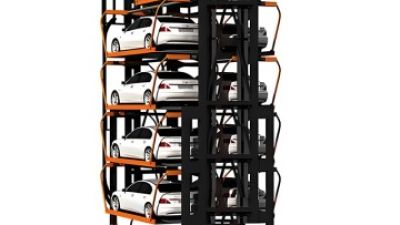
Urban spaces are constantly challenged by the need for efficient parking solutions, particularly in high-traffic areas like shopping malls and hospitals. Innovative high-quality vertical rotary parking systems are emerging as effective answers to these challenges. Designed to optimize space utilization, these systems occupy only 7*5.8 meters of floor area while accommodating a variety of vehicle types with load capacities up to 2350kg. Their compact design ensures that parking does not compromise valuable land resources, making them particularly beneficial in densely populated regions.
The functionality of vertical rotary parking systems is further enhanced by their heavy-duty construction and powerful motor options, ranging from 15 to 22Kw. These features not only guarantee reliability but also provide rapid vehicle retrieval, significantly reducing the time spent finding parking spots. In environments where parking congestion can hinder operations, such as busy hospitals and retail centers, these systems streamline the parking process, ensuring a seamless experience for users.
Moreover, the flexibility to customize these parking solutions allows businesses to tailor the systems to meet specific project requirements. This adaptability, combined with CE certification that guarantees compliance with rigorous safety and quality standards, positions vertical rotary parking systems as an ideal choice for commercial spaces grappling with parking challenges. By integrating such innovative solutions, urban areas can better manage their parking dynamics and enhance overall accessibility.
FAQS
: Identify your goals clearly. Assess resources. Consider team skills. Understand the market demand.
Prioritize tasks. Set deadlines. Break work into smaller parts. Use tools to track progress.
Analyze the issues. Seek feedback from peers. Adjust your plan. Stay flexible and open-minded.
Foster open communication. Schedule regular meetings. Encourage idea sharing. Respect diverse viewpoints.
Poor planning leads to issues. Ignoring feedback is risky. Overlooking team dynamics can hurt morale.
Set clear metrics early. Analyze results against goals. Gather feedback post-completion. Reflect on challenges faced.
Address them promptly. Listen to all sides. Facilitate a constructive dialogue. Seek a win-win outcome.
Celebrate small wins. Break tasks into phases. Keep your vision in mind. Connect with supportive peers.
It helps identify successes and failures. Learn from mistakes. Improve future project planning. It fosters growth.
Stay aware of trends. Be willing to pivot. Evaluate new information continuously. Keep communication open.
Conclusion
Parking Lot Robots are innovative solutions designed to enhance space management in parking facilities. By understanding the technology behind these robots, facilities can recognize their numerous benefits, such as increased efficiency, optimized space utilization, and improved user experience. Implementing Parking Lot Robots involves strategic steps, including integration with existing infrastructure and addressing potential challenges that may arise during deployment.
As we look towards the future, trends in Parking Lot Robotics indicate a shift towards greater automation and smart technology integration, promising even more effective space management solutions. By leveraging these advancements, facilities can not only streamline operations but also create a more convenient parking experience for users, ultimately leading to higher satisfaction and improved operational efficiency.