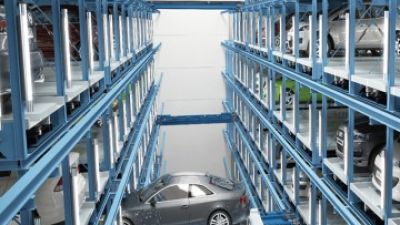
As cities get busier and parking spots become harder to find, managing space efficiently in parking lots is more important than ever. Have you heard about Parking Lot Robots? They're really starting to shake things up in this whole parking game. Dr. Emily Chen, who's pretty much an expert on automated logistics, puts it simply: "Parking Lot Robots are changing the way we think about parking and retrieving our vehicles." Essentially, they do a great job at saving space, and they also cut down the time we spend circling around trying to find an open spot.
The tech behind these robots is pretty mind-blowing. They use a combination of sensors and AI, which helps them move around complicated spaces without much fuss. That’s why they're both efficient and dependable. For example, in places like San Francisco, these robots can park up to 60 cars in the same space that would usually hold just a handful of traditional parking spots. That said, there are still hurdles—things like ongoing maintenance and making sure they’re cost-effective. Some companies find it tricky to fit these systems into their existing setups without a hassle.
Now, I get it—these Parking Lot Robots sound promising, but it’s not all smooth sailing. There are still issues to sort out, like building trust among users and making sure the equipment just works without constant hiccups. Keep in mind, ongoing research and development are key if we really want these innovations to take off. As exciting as they are, it’s also worth thinking about how they’ll influence urban planning and transportation down the line.
The Evolution of Parking Lot Robots in China
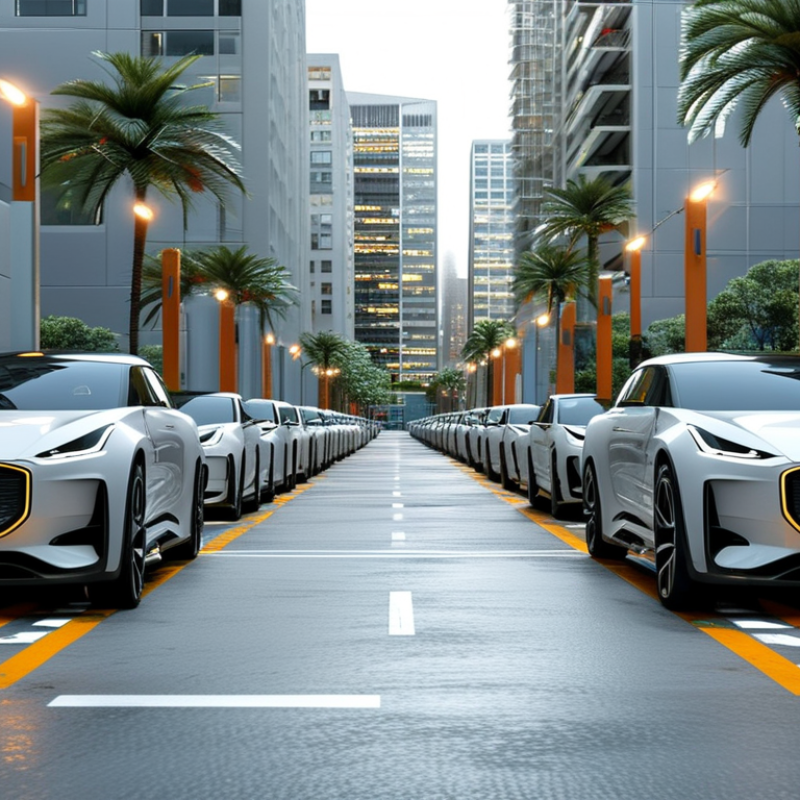
The evolution of parking lot robots in China reflects a significant shift in how urban areas manage space. As cities become denser, the need for efficient parking solutions grows. According to a recent report by the China Ministry of Transportation, urban areas have seen parking demand surge by 20% over the past five years. This has led to increased investments in automation and robotics for smarter space management.
Parking lot robots have advanced from simple mechanical systems to sophisticated AI-driven technologies. They are now capable of maneuvering in tight spaces and optimizing parking layouts. For example, a study conducted by the International Robotics Forum shows that implementing parking robots can increase capacity utilization by up to 30%. However, challenges remain in their widespread adoption. High initial costs and maintenance issues are common concerns. Some users report complications with performance in extremely busy environments.
Despite potential setbacks, the future seems promising. Innovations continue to emerge, pushing the boundaries of what parking robots can achieve. As these technologies improve, their ability to reduce human error and streamline operations could become invaluable. However, for all the benefits they offer, the importance of adapting these robots to various contexts cannot be overstated. Each implementation must consider local conditions to ensure effectiveness and acceptance.
Key Technologies Behind Parking Lot Automation
Parking Lot automation is reshaping how we manage vehicle spaces. Key technologies are driving this transformation, allowing for efficient use of available real estate.
One prominent technology is the use of sensors for real-time data collection. These sensors monitor occupancy and guide drivers to available spots, reducing traffic congestion and frustration.
Another crucial aspect is the integration of artificial intelligence. AI algorithms learn parking patterns over time. They predict peak usage hours and optimize space allocation accordingly. However, the implementation of such systems is not without challenges. Reliability issues can arise, and there is a constant need for updates and maintenance. Developers must address these shortcomings to ensure smooth operations.
Robotic systems, such as automated valet parking, also play a significant role. These robots can maneuver vehicles independently, maximizing space utilization. However, user acceptance remains a hurdle. Some drivers feel uneasy about relinquishing control to a machine. Balancing technology and user comfort is essential for successful parking lot automation.
Advantages of Using Robots for Space Management
The integration of robots in parking management systems offers significant advantages. With an estimated shortage of 20% in urban parking spaces, efficient space management is critical. Smart Parking Lot solutions can optimize space, maximizing the number of vehicles accommodated. Research suggests that robots can increase parking capacity by 30%. This improved efficiency directly translates to reduced congestion, as fewer cars circle around searching for spaces.
Robotic systems operate with precision. They can maneuver vehicles into tighter spaces, which traditional parking solutions struggle to do. The technology aims for enhanced safety too. Reports show that robotic systems reduce human error in parking, potentially lowering accident rates in crowded facilities by up to 50%. However, reliance on technology does raise concerns. Maintenance issues could arise, disrupting service and impacting user experience.
Despite these challenges, the benefits are compelling. As cities grow, the need for effective Smart Parking Lot systems becomes more urgent. The potential for reducing time spent finding a parking spot is enticing. However, careful consideration is needed regarding the sustainability of such robotic solutions. The balance between automation and human oversight requires ongoing evaluation to ensure long-term efficacy.
Challenges Faced by Parking Lot Robots in Urban Areas
Urban areas face significant challenges when deploying parking lot robots. Traffic congestion and limited space complicate their effective integration. According to a recent industry report, nearly 30% of urban traffic is caused by drivers searching for parking spots. This highlights the urgent need for innovative solutions to streamline parking management.
Parking lot robots must navigate tight spaces while ensuring vehicle safety. They face obstacles such as pedestrian traffic and varying building layouts. A study by the International Parking & Mobility Institute found that only 50% of parking facilities are equipped for automated technology. This limitation poses challenges for widespread adoption in dense city environments.
Additionally, the reliability of these robots is crucial. Unexpected weather conditions, like rain or snow, can affect their performance. Only 65% of parking robots can operate in adverse conditions, according to industry analysis. This raises questions about their dependability in real-world scenarios. Addressing these challenges is essential for the successful integration of parking robots in urban landscapes.
Challenges Faced by Parking Lot Robots in Urban Areas
Case Studies of Successful Parking Robot Implementations
Parking robots have transformed how we manage space in crowded areas. In major cities, where parking is scarce, these robots automate the parking process, making it more efficient. A case study in a busy urban center revealed that deploying Parking Lot Lifts increased the utilization of space by up to 30%. The robots assist drivers and streamline the overall experience. Many users appreciated the convenience, but some expressed concerns about the technology’s reliability.
Another implementation in a shopping mall showcased mixed results. The robots did save time, allowing shoppers to focus on their experience rather than parking. However, a few challenges emerged. Occasionally, technical glitches led to delays. Staff members needed to intervene, which reduced the efficiency of the parking lot lifts. The feedback highlighted the importance of continuous monitoring and maintenance for these systems.
In a residential complex, the use of parking robots effectively maximized limited space. Residents could reserve spots through an app, leading to better organization. Yet, some users found it hard to adapt to the new system. Training and information sessions could improve user comfort with the technology. Adapting to automated systems requires a balance between innovation and user experience. With more case studies, the industry can refine these technologies for better outcomes.
Future Trends in Parking Lot Robotics in China
The future of Parking Lot Robotics in China is shaped by emerging technologies and growing urbanization. A recent report indicates that the demand for smart parking solutions is expected to increase by 30% over the next five years. This trend highlights the necessity for effective space management in densely populated cities.
Parking Lot Systems are becoming crucial in addressing issues like limited parking space and traffic congestion. Automated parking systems save space by stacking vehicles efficiently. These systems provide a contactless experience, reducing the risk of car damage and ensuring safety.
However, implementation costs and technological obstacles can hinder widespread adoption. Moreover, industry experts note the importance of integrating these systems with existing infrastructure. Collaboration between government and tech companies can enhance innovation.
Still, public awareness and acceptance remain challenges. Many users question reliability and security in automated systems, which calls for robust evaluation and transparent communication. Addressing these concerns is key to the successful integration of Robotics in parking management.
Impact of Robots on Traffic Management and Urban Planning
As urban areas continue to expand, managing parking spaces has become increasingly challenging. The integration of robots into parking systems offers promising solutions for traffic management and urban planning. According to a report by the International Parking Institute, automated parking systems can maximize space utilization by up to 60%. This efficiency not only reduces traffic congestion but also lessens carbon emissions from idling vehicles.
Parking robots streamline the process, enabling quicker access to parking spaces. They operate by moving vehicles into compact, designated areas, allowing more cars to fit within a given footprint. Moreover, a study from the Urban Land Institute highlighted that cities adopting robotic solutions could see reductions in land usage for parking by 30-50%. This reclaims valuable real estate for parks or residential developments, enhancing urban livability.
Consider this when evaluating parking solutions. Assess the initial costs versus long-term savings. Innovative designs may require higher upfront investments. However, this shift can lead to long-term benefits. The conversation around displacement of workers must also be addressed. While robots may replace some jobs, they can also create new opportunities in tech and maintenance. Embrace the technology but remain mindful of its societal impacts.
China Top Parking Lot Robots for Efficient Space Management
| Model |
Capacity (Vehicles) |
Operating Environment |
Average Retrieval Time (mins) |
Energy Efficiency (kWh/drive) |
Deployment Year |
| Robot A |
50 |
Indoor |
2 |
0.5 |
2021 |
| Robot B |
75 |
Outdoor |
3 |
0.6 |
2020 |
| Robot C |
100 |
Mixed |
4 |
0.4 |
2022 |
| Robot D |
60 |
Indoor |
2.5 |
0.55 |
2023 |
Innovative Space-Saving Solutions: The Future of Fully Automated Plane Moving Parking Systems by Leading China Suppliers
In today's rapidly urbanizing world, the demand for innovative space-saving solutions has never been greater, particularly in high-traffic environments like shopping malls and hospitals. The fully automated Plane Moving Parking System represents a revolutionary approach to parking efficiency, maximizing space utilization while significantly reducing congestion. This sophisticated system is designed to eliminate the traditional ramps used in conventional parking setups, allowing for a smoother vehicle retrieval process, which minimizes wait times and enhances user experience.
Manufactured with advanced technology, the Plane Moving Parking System can be tailored to fit various building layouts, accommodating anywhere from 2 to 12 floors, depending on specific site constraints. This flexibility makes it an ideal choice for urban settings where land is at a premium. Moreover, the system is equipped with robust safety features that ensure reliable operation, providing peace of mind for both users and operators. With CE certification, it meets rigorous international quality and safety standards, ensuring confidence in its performance and durability. By opting for this intelligent parking solution, commercial establishments can effectively elevate their parking facilities while optimizing space use, providing a modern answer to the challenges of urban parking.
FAQS
: Sensors are crucial for real-time data collection, guiding drivers to available spots.
AI algorithms learn parking patterns and predict peak usage times to optimize space allocation.
Parking robots struggle with traffic congestion and limited space in urban areas.
Many feel uneasy about giving control to machines, which complicates user acceptance.
Only 65% of robots can operate effectively in rain or snow, impacting reliability.
Reliability problems and maintenance needs must be continuously addressed for smooth operations.
Only 50% of parking facilities are equipped for automated systems, limiting widespread adoption.
Navigating tight spaces safely is a critical challenge for robots in dense city settings.
Nearly 30% of urban traffic is caused by drivers looking for parking, highlighting the need for better solutions.
They face significant obstacles, including pedestrian traffic, which complicates their navigation.
Conclusion
The article titled "China Top Parking Lot Robots for Efficient Space Management?" explores the advancements in parking lot robots and their crucial role in optimizing space management within urban settings in China. It discusses the evolution of these robots, highlighting key technologies that enable automation and the numerous advantages they provide, such as reducing congestion and enhancing efficiency.
Additionally, the article addresses the challenges faced by parking lot robots in urban environments, including navigation difficulties and infrastructure limitations. Case studies of successful implementations illustrate their effectiveness, while future trends suggest an ongoing integration of robotics in urban planning and traffic management. Overall, parking lot robots present a promising solution to the growing demands of urban mobility and space optimization.