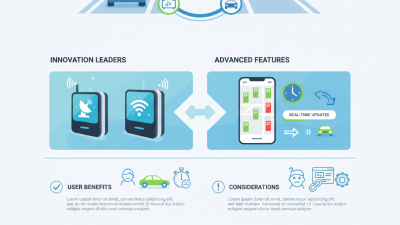
By the time cities start gearing up for 2026, parking equipment is becoming more connected, more data-driven, and a lot more focused on the people using it. That said, “top” doesn’t mean the same thing everywhere. A busy airport needs a very different setup than, say, a small medical center.
Donald Shoup, Professor Emeritus of Urban Planning at UCLA, once put it well: “Parking is free only to those who don’t pay for it.” That still lands, because today’s equipment shapes both the prices drivers see and the operating costs owners feel behind the scenes. Good, reliable systems can cut down queues, make payments more accurate, and help owners get a clearer picture of demand.
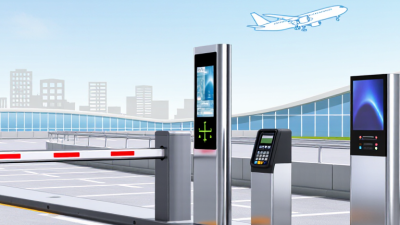
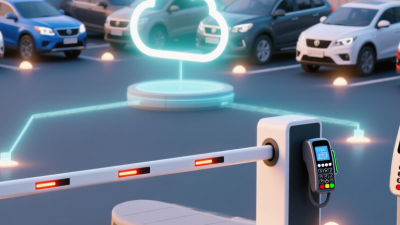
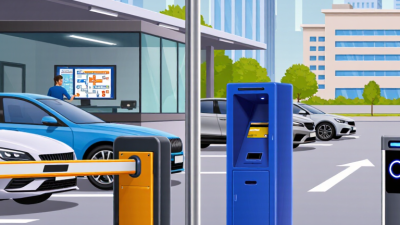
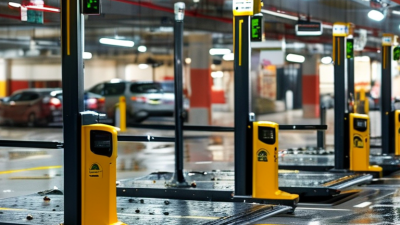
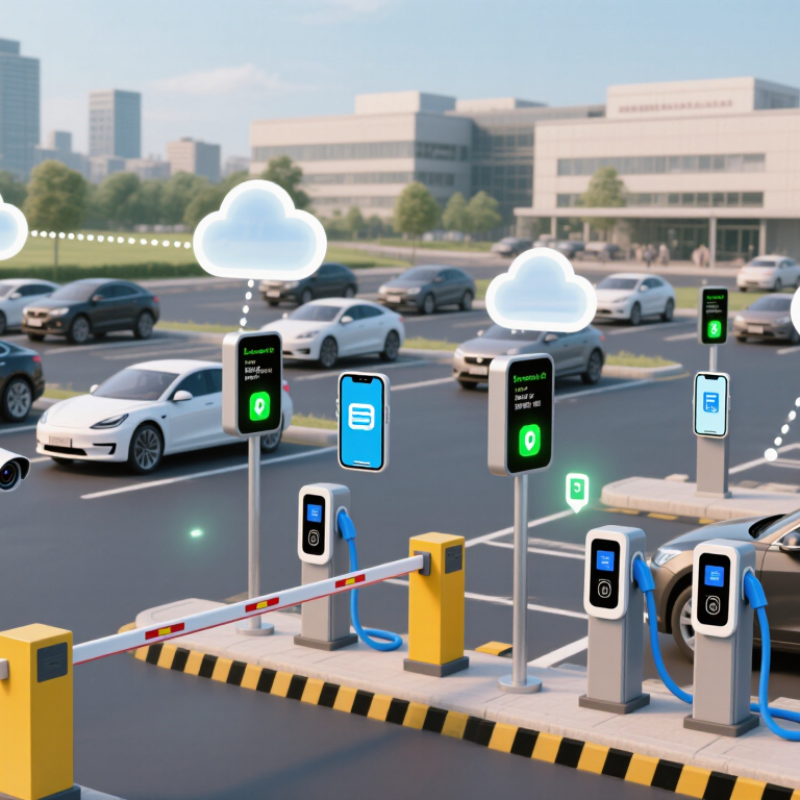
So what will leading equipment look like in 2026? Probably license plate recognition cameras, pay-by-plate terminals, barrier gates, parking guidance displays, cloud-based management platforms, and EV charging stations. Mobile payments will keep growing too—and when they work right, entering and leaving a garage can feel almost effortless.
Almost effortless.
Picture a shopping center: an LPR camera reads a plate in seconds while a digital sign nudges drivers toward an open space. At a hospital, easy-to-reach payment terminals and clear pedestrian routes might matter more than fancy analytics. In an office complex, cloud reporting can show which spaces sit empty during late afternoons.
Companies like SKIDATA, Amano McGann, Kapsch TrafficCom, and TIBA Parking are all helping shape this competitive field. But technology by itself doesn’t guarantee a better parking experience. Bad installation, confusing signage, weak maintenance, or spotty network access can frustrate drivers fast.
This overview looks at the most important parking equipment categories for 2026. It also keeps practical limits in mind, because no ranking is perfect. A smaller operator might actually be better off with simple, durable equipment than with an impressive system it can’t properly maintain.
Parking equipment is the hardware and software that manages vehicle movement, payment, space use, and safety. It includes entry barriers, ticketless access systems, license-plate cameras, payment terminals, parking guidance signs, sensors, and EV chargers. Garage Lifting Equipment also belongs in this ecosystem when facilities use vehicle lifts or stacked parking platforms. The category is not perfectly tidy. Some systems overlap.
Its role extends beyond collecting fees. Equipment connects drivers, operators, buildings, and data through one operating process. The International Energy Agency’s Global EV Outlook 2025 reported more than 17 million electric car sales worldwide in 2024. This growth increases demand for chargers, load management, and clear space allocation inside modern garages.
The 2024 INRIX Global Traffic Scorecard reported that U.S. drivers lost about 43 hours to traffic congestion. That figure does not measure parking directly, but it shows why faster access matters.
In practical use, a guidance sign can direct a driver toward an empty space within seconds. A barrier can open through verified digital access, while sensors update occupancy data. Garage Lifting Equipment needs stronger safeguards, including position sensors, interlocks, and visible warning controls. Field experience suggests that simple interfaces reduce confusion during busy periods. Still, cameras can misread plates, sensors can miss motorcycles, and network outages happen. Operators should test failure responses, not only normal operation.
What Are the 2026 Top Parking Equipment Types?
In 2026, access gates, payment terminals, license plate cameras, and occupancy sensors remain important parking equipment types. However, equipment selection should begin with measurable performance, not appearance. Evaluate entry and exit speed during peak periods. A reliable system should process vehicles smoothly, even in rain, dust, or poor lighting. Field testing matters more than a polished product demonstration.
Compatibility is another key criterion. Equipment should connect with existing barriers, payment platforms, guidance signs, and management software. Open communication standards can reduce future replacement costs. Check cybersecurity controls, user permissions, software updates, and data storage practices. Privacy requirements also differ by location, so operators should confirm local obligations before collecting vehicle or payment information. Accessibility deserves equal attention. Clear displays, reachable controls, audible instructions, and alternative payment options support more drivers.
Maintenance evidence reveals practical quality. Ask about repair times, spare parts, remote diagnostics, and technician training. Calculate total ownership cost, including installation, energy use, subscriptions, maintenance, and eventual replacement. A low purchase price may hide expensive service needs. We have found that small delays at a busy exit can create long queues and frustrated drivers. Still, no system performs perfectly. Sensors may misread plates, networks may fail, and staff may need manual controls. A thoughtful evaluation includes these weaknesses, tests recovery procedures, and records results under realistic conditions.
| Parking Equipment Type | Primary Function | Typical Applications | Core Technologies | Key Evaluation Criteria for 2026 | Main Advantages | Important Limitations |
|---|---|---|---|---|---|---|
| Barrier Gates and Ticket Dispensers | Controls vehicle entry and exit in gated car parks. | Shopping centres, hospitals, airports, offices, and public garages. | Automatic barriers, loop detectors, proximity sensors, ticket dispensers, ticket readers, and safety photocells. | Barrier cycle speed, vehicle detection accuracy, anti-tailgating capability, emergency release, weather resistance, safety compliance, and integration with payment systems. | Clear access control, familiar user experience, and reliable operation in high-volume facilities. | Requires physical lanes, routine maintenance, and ticket management unless combined with ticketless access. |
| License Plate Recognition Systems | Identifies vehicles by reading license plates for access, payment, and enforcement. | Ticketless garages, permit parking, residential facilities, campuses, and controlled private lots. | Specialized cameras, optical character recognition, edge or cloud processing, vehicle databases, and access-control software. | Day-and-night recognition performance, camera positioning, performance in rain and glare, local privacy compliance, encryption, retention policies, and fallback procedures. | Reduces paper tickets, supports frictionless entry, and enables accurate occupancy and session tracking. | Performance can be affected by dirty plates, poor lighting, unusual plate formats, weather, and privacy requirements. |
| Parking Payment Terminals | Collects parking fees before or after a parking session. | Street parking, surface lots, garages, hospitals, universities, and municipal facilities. | Touchscreens, contactless card readers, chip card readers, QR-code scanners, receipt printers, and payment gateways. | Contactless payment support, payment-card security, accessibility, screen readability, multilingual operation, offline transaction handling, and low-power design. | Supports multiple payment methods and provides a visible self-service option for drivers. | Hardware requires servicing, paper receipts create consumable costs, and connectivity interruptions may affect transactions. |
| Pay-and-Display Machines | Issues a paid parking receipt that is displayed inside the vehicle. | On-street parking, public lots, parks, tourist areas, and small municipal sites. | Coin mechanisms, card readers, touchscreens, receipt printers, solar panels, and wireless communications. | Payment-method coverage, vandal resistance, solar and battery autonomy, receipt reliability, accessibility, remote monitoring, and operating cost per space. | Can serve several parking spaces without installing a barrier at every lane. | Drivers must display a receipt, and machines may require regular collection, replenishment, and maintenance. |
| Parking Meters | Provides time-based payment for individual or grouped on-street spaces. | Urban streets, commercial districts, short-stay zones, and curbside parking areas. | Digital displays, contactless payment readers, coin acceptors, solar charging, wireless connectivity, and digital tariff control. | Payment speed, visibility in sunlight, tamper resistance, remote configuration, battery life, accessibility, and compatibility with digital parking accounts. | Directly supports curb management and can display location-specific tariffs and rules. | Limited screen and payment capability compared with larger terminals; each unit may serve only one space or a small group. |
| Parking Guidance and Occupancy Sensors | Shows available spaces and helps drivers navigate to them. | Multi-level garages, airports, hospitals, campuses, and large private facilities. | Ultrasonic, magnetic, radar, camera-based, or wireless sensors; LED indicators; digital signs; and occupancy software. | Detection accuracy, update latency, installation method, battery life, network reliability, accessible route information, and integration with navigation or reservation systems. | Reduces search time, improves traffic flow, and provides operational occupancy data. | Sensor calibration and network coverage are essential; camera-based systems may require additional privacy controls. |
| Parking Management Software and Mobile Payment Systems | Manages rates, permits, payments, reservations, violations, and operational data. | Municipal parking, commercial facilities, universities, residential properties, and mixed-use developments. | Web portals, mobile applications, APIs, cloud platforms, digital permits, QR codes, and payment processing. | API availability, data portability, role-based access, cybersecurity, uptime, privacy compliance, reporting quality, and compatibility with existing hardware. | Enables remote administration, digital permits, dynamic pricing, reservations, and centralized reporting. | Depends on network availability and requires careful management of personal, payment, and vehicle data. |
| Parking Enforcement Devices | Detects parking violations and supports citation management. | Public streets, loading zones, permit areas, restricted spaces, and private facilities. | Handheld computers, mobile printers, license plate cameras, GPS, digital permits, and enforcement software. | Evidence quality, timestamp and location accuracy, secure data transfer, officer ergonomics, battery life, legal audit trails, and privacy controls. | Improves consistency of enforcement and reduces manual recordkeeping. | Must comply with local laws, due-process requirements, evidence standards, and data-protection rules. |
| Electric Vehicle Charging Equipment | Supplies electricity to electric vehicles while they are parked. | Workplaces, residential garages, retail sites, public car parks, hotels, and transport hubs. | AC or DC charging units, charging cables, payment interfaces, load management, energy meters, and network software. | Electrical capacity, charging power, connector compatibility, uptime, load balancing, payment security, accessibility, cable management, and maintenance support. | Adds an important parking service and can support energy management and utilization-based pricing. | Requires electrical upgrades, suitable parking duration, ongoing maintenance, and clear separation of parking and charging fees. |
| Security, Access, and Safety Equipment | Protects people, vehicles, assets, and restricted parking areas. | All facility types, especially garages, residential sites, campuses, and high-security locations. | CCTV cameras, intercoms, emergency call stations, lighting, access readers, alarms, bollards, and fire-safety interfaces. | Coverage, image quality, low-light performance, emergency response time, system redundancy, accessibility, cybersecurity, and compliance with safety regulations. | Improves incident response, user confidence, and protection of infrastructure. | Requires continuous monitoring, appropriate lighting, maintenance, and legally compliant data retention. |
Smart parking meters and automated payment machines are leading equipment choices for modern parking areas. They accept contactless cards, mobile payments, and traditional payment methods. Clear screens guide drivers through each step. Some machines also print receipts or send digital confirmations.
Smart meters can adjust payment periods and display real-time space information. Sensors may detect occupancy and support more accurate parking data. Operators can review transaction records through secure management software. This helps maintenance teams identify faults before they affect many drivers. Small details matter. Large buttons, strong lighting, and multilingual instructions improve accessibility.
Automated payment machines work well near garages, hospitals, campuses, and busy retail areas. Their cameras, payment terminals, and ticket readers must remain reliable in rain, dust, and heavy use. Regular cleaning is essential. Technicians should also check receipt paper, screen visibility, network connections, and emergency power.
A practical weakness remains: smart equipment depends on electricity and communication networks. Offline payment options can reduce disruption, but they may limit available features. Installation costs can also surprise smaller operators. Not every site needs both systems. A careful assessment of traffic, user habits, and maintenance capacity should guide the choice. Privacy protection, encrypted transactions, and controlled staff access deserve equal attention. Otherwise, convenient parking technology can create avoidable operational problems.
In 2026, access control systems will remain central to safe, organized parking operations. Automatic gates and rising barriers can manage vehicle flow at busy entrances. They also create a clear separation between public and restricted areas. A reliable setup should combine vehicle sensors, emergency release controls, and visible warning lights. Small details matter. A barrier arm that opens too slowly can create queues during morning traffic.
License plate recognition adds another practical layer. Cameras read a vehicle’s plate at the entry point and compare it with approved parking records. This process can reduce ticket handling and improve audit accuracy. Lighting, camera height, and plate visibility strongly affect performance. Rain, glare, or a dirty lens may cause recognition errors. Regular testing is essential.
Hydraulic Lifting Equipment can support rising barriers, vehicle blockers, and controlled platform systems where stronger movement is needed. Its performance depends on fluid condition, seal quality, drainage, and scheduled inspection. Parking operators should match lifting force with vehicle volume and site conditions. Overpowered equipment may increase maintenance demands. No system is flawless. Even advanced access control needs manual oversight, clear signage, and a practical response plan when sensors fail. Regular maintenance records also help teams identify repeated faults before they become costly disruptions.
What Are the 2026 Top Parking Equipment Types?
Parking guidance, occupancy sensors, and digital signage are gaining practical attention in 2026. Parking guidance uses cameras, bay detectors, or software to show open spaces in real time. Drivers see available levels before circling through every aisle. This reduces wandering, fuel waste, and avoidable frustration. In a busy garage, a clear arrow can matter more than a colorful advertisement. Small details matter.
Occupancy sensors provide the data behind that experience. Ultrasonic, magnetic, infrared, and camera-based devices can identify vehicle presence. Selection depends on ceiling height, lighting, weather exposure, and maintenance access. During a site review, technicians should compare sensor readings with manual counts. A sensor that reports one empty bay incorrectly can weaken trust across the facility. Battery life and network stability also deserve regular checks. Trust takes time.
Digital signage connects guidance data with simple, visible instructions. Screens can display space availability, payment directions, pedestrian routes, and safety messages. Good signs use high contrast, readable type, and consistent symbols. They should remain understandable in glare, rain, and nighttime conditions. However, more screens do not automatically create better service. Poor placement can cause drivers to stop suddenly or miss a turn. I have seen projects measure installation speed more carefully than driver comprehension. That balance needs reconsideration. Reliable systems also require documented testing, secure access controls, and staff training.
What Are the 2026 Top Parking Equipment Types?
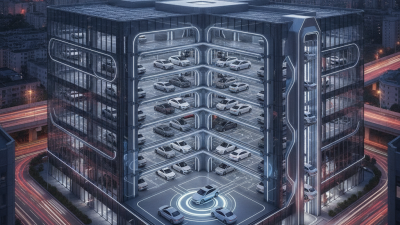
Automated parking systems are moving from premium projects into practical urban developments. In a conventional Parking Lot, drivers circle aisles, search for gaps, and walk through poorly used space. Robotic vehicle handling changes that routine. Sensors measure the vehicle, platforms guide the wheels, and elevators move cars between levels. The driver parks at a secure transfer cabin. Then the system takes over.
According to MarketsandMarkets’ 2024 Automated Parking System Market report, the sector is projected to grow at a double-digit compound annual growth rate through 2029. The report identifies automated guided vehicles, robotic shuttles, and smart access controls as major equipment categories. These systems can reduce internal driving lanes and support higher parking density. A 2023 INRIX parking report estimated that American drivers lose about 17 hours annually searching for parking. That wasted time gives automation a measurable operational purpose.
Still, automation is not automatically better. Site surveys must examine drainage, fire access, vehicle dimensions, and peak-hour demand. A robotic bay that handles a small sedan may reject a tall electric sport utility vehicle. Staff also need clear recovery procedures when sensors fail. I would not specify equipment from a brochure alone. Real testing matters. A short pilot, detailed maintenance logs, and transparent retrieval-time data can expose weaknesses before construction costs become permanent.
Parking equipment in 2026 is becoming more sustainable, connected, and space-conscious. Operators are moving beyond basic gates and ticket machines. They are combining license plate recognition, occupancy sensors, digital payment, and energy monitoring in one coordinated system. This integration reduces paper use and helps staff identify faults before drivers report them.
A Parking Lift can add valuable capacity where land is limited. It stores vehicles vertically, using less ground space than a traditional expansion. Newer systems may include load sensors, emergency lowering controls, and energy-efficient motors. However, installation quality remains critical. Uneven floors, poor drainage, or weak maintenance plans can quickly reduce reliability. The equipment looks advanced, but the site still needs careful preparation.
Electric vehicle support is also shaping equipment choices. Charging bays now require clear signage, cable protection, and software that shows availability in real time. Solar-powered lighting and low-energy barrier systems can reduce daily consumption. Water-resistant payment terminals help in rainy environments. Small details matter.
Not every “smart” feature creates value. Some systems collect more data than operators can use. That can increase training needs and maintenance costs. A practical review should measure queue times, energy use, accessibility, and repair frequency. Sustainable equipment should serve drivers and technicians, not simply appear modern.
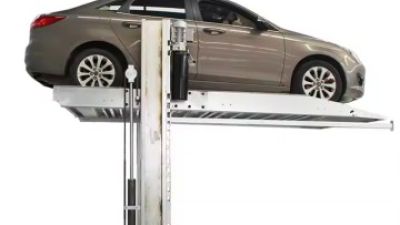
As urban populations grow and available land becomes more expensive, CE-certified two-post hydraulic car stackers offer a practical solution for improving parking capacity. Designed for residential buildings, commercial properties, workshops, and compact urban sites, these systems create two parking levels within the footprint of one vehicle. Their space-efficient structure supports better land utilization while maintaining straightforward vehicle access and dependable daily operation.
Available in three models, the system can lift vehicles to a maximum height of 2,100 mm and accommodate a range of sedans and SUVs. Depending on the selected model, load capacities reach 2,700 kg, 2,300 kg, or 3,200 kg. The lower vehicle remains accessible at any time, while retrieving or parking the upper vehicle requires moving the lower one. Hydraulic lifting equipment and a robust two-post configuration provide an efficient approach to space management, particularly where conventional parking expansion is limited. System dimensions can also be customized to match different site layouts, vehicle requirements, and installation conditions, allowing property owners and parking operators to select a configuration suited to their urban parking needs.
Parking equipment includes hardware and software for vehicle movement, payment, space use, and safety. Examples include barriers, cameras, sensors, payment terminals, guidance signs, and electric vehicle chargers. Some systems overlap.
It connects drivers, operators, buildings, and parking data. A guidance sign can lead drivers to an empty space within seconds. Faster access may reduce queues and confusion. Still, equipment alone cannot solve every parking problem.
Common systems include automatic gates, rising barriers, vehicle sensors, and digital access tools. They separate public areas from restricted zones. Emergency release controls and warning lights are also important. Small details matter.
A camera reads a vehicle plate at the entrance. Software compares it with approved parking records. This can reduce ticket handling and improve entry records. Rain, glare, poor lighting, or a dirty lens may cause errors.
Camera height, lighting, plate visibility, and weather affect recognition results. Operators should clean lenses and test cameras regularly. A camera may misread a plate. Manual review remains useful during uncertain situations.
Sensors detect vehicle presence and update occupancy information. Drivers can see available spaces through guidance signs or digital displays. Some sensors may miss motorcycles or unusual vehicles. Failure testing should include these cases.
Chargers support growing electric vehicle use in modern parking facilities. Operators also need load management and clear charger allocation. A charger beside a blocked space is not useful. Space planning matters.
Vehicle lifts and stacked platforms need position sensors, interlocks, warning controls, and regular inspections. Operators should check fluid condition, seals, drainage, and lifting performance. Stronger equipment is not always better. Excess power can increase maintenance demands.
Teams should test network outages, sensor failures, camera errors, and emergency releases. Clear signs and manual procedures should remain available. Failures still happen. A plan that works only during normal operation is incomplete.
In 2026, Parking Equipment will play a central role in creating safer, more efficient, and more convenient parking systems. This article explains how modern equipment supports the full parking experience, from vehicle entry and payment to space discovery and exit management. It also introduces key evaluation criteria, including reliability, ease of use, data connectivity, security, scalability, maintenance needs, and energy efficiency.
The discussion covers smart parking meters, automated payment machines, access gates, barriers, license plate recognition, occupancy sensors, parking guidance systems, and digital signage. It also examines automated parking systems that use robotic vehicle handling to improve space utilization and reduce driver effort. Looking ahead, sustainable and integrated solutions will become increasingly important, combining renewable energy, intelligent software, real-time information, and seamless communication between different devices. Together, these trends will help cities and property owners build parking environments that are more organized, accessible, environmentally responsible, and prepared for future transportation needs.