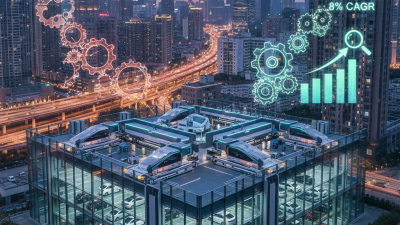
As the world of parking equipment keeps changing and adapting around us, 2026 looks like it's going to bring some pretty exciting shifts. I recently read a report from Fondazione Unimore that says this market could grow by about 6.5% each year—that's pretty significant! It really makes sense, especially with more folks moving into cities and the increase in cars on the roads everywhere.
On the industry side, David Miceli from Parking Solutions shared some interesting insights. He mentioned, “Innovation in parking equipment is more than just fancy tech; it’s vital for tackling today’s logistical headaches.” That really hits home, doesn’t it? It just shows how much we need smarter, more efficient solutions for parking.
Thanks to new tech like advanced sensors and automated parking systems, we’re heading into a pretty cool future. But, hey, it’s not all smooth sailing. Fitting these new solutions into the existing infrastructure can get pretty tricky and complicated. So, moving forward, it's gonna take a real team effort—manufacturers, city planners, and everyone involved—if we want this transition to go smoothly.
All in all, the parking equipment world stands at a pretty exciting crossroads. It’s all about innovation and meeting new challenges head-on. The future’s looking bright, even if there are some bumps along the way.
Emerging Technologies in Parking Equipment for 2026
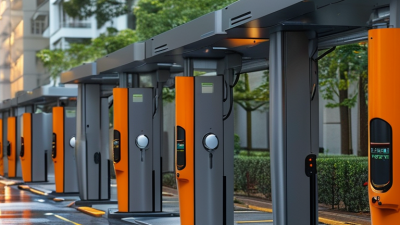
As we approach 2026, the parking equipment landscape is set for transformation. Emerging technologies are reshaping how we park and manage vehicles. Smart parking solutions are becoming the norm. These systems utilize sensors and mobile apps to guide drivers to available spots, reducing congestion and frustration. Additionally, integration with electric vehicle charging stations is vital. This ensures that as EV adoption grows, parking systems evolve simultaneously.
Data analytics will play a crucial role. By analyzing parking patterns, cities can optimize space usage. This can lead to better urban planning and reduced environmental impact. However, reliance on technology raises concerns about privacy and data security. Many users may hesitate to share their information, which could hinder the adoption of these technologies. Striking a balance between innovation and user trust is key.
Moreover, automation is increasingly prevalent in parking management. Automated machines streamline payment processes, making them quicker and more efficient. Yet, this shift may create challenges for older users who prefer traditional methods. Ensuring access for all demographics is essential as we move forward. The journey to smart parking is filled with opportunities, but it also demands careful consideration of accessibility and user experience.
2026 Top Parking Equipment Trends
Sustainability Trends in Parking Solutions for Global Markets
Sustainability is becoming a driving force in parking solutions. As urban areas grow, so does the need for efficient and eco-friendly parking systems. Modern technologies now prioritize renewable resources, reducing energy consumption. This shift leads to the adoption of electric vehicle (EV) charging stations, making parking greener.
With increasing concerns over climate change, many cities are exploring smart parking systems. These systems optimize space usage and reduce emissions. They use sensors and data analytics to guide drivers to available spots. Such innovations not only alleviate congestion but also promote the efficient use of resources. However, implementing these technologies can be challenging. Many municipalities face budget constraints and need to balance sustainability with economic feasibility.
Moreover, there's a rising awareness of the impact of parking structures on urban environments. Sustainable materials are being used in construction, aiming to minimize carbon footprints. However, this approach often requires a reevaluation of existing practices. It's crucial for city planners to engage stakeholders effectively. This ensures that the benefits of sustainable parking align with community needs. Engaging the public can reveal insights, but it can also surface conflicting opinions on what sustainability means.
The Role of Smart Parking Systems in Urban Development
Smart parking systems are reshaping urban landscapes. These technologies enhance efficiency and convenience for drivers. They utilize sensors and real-time data to guide vehicles to available spots. This reduces the time spent searching for parking, which can be a significant source of frustration.
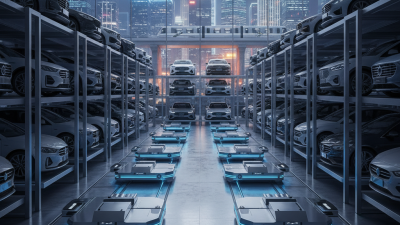
Cities are integrating smart parking with their broader urban development plans. This creates a more user-friendly experience while minimizing congestion. Additionally, the implementation of Garage Lifting Equipment can further optimize space in urban environments. By utilizing vertical parking solutions, cities can increase capacity without expanding their footprint.
However, the transition to smart parking is not without challenges. Many cities struggle with outdated infrastructure that hinders the adoption of new technologies. There is also a need for increased public awareness about the benefits of these systems. While smart parking systems hold great promise, sustained efforts are required to address these hurdles and fully realize their potential in urban development.
Key Features to Look for in Parking Equipment in 2026
As we approach 2026, the parking equipment landscape continues to evolve. Buyers should focus on key features that enhance functionality and user experience. Advanced sensors and smart technology integration are crucial. These elements improve space utilization and help reduce congestion.
Data analytics capabilities are becoming a must-have. Collecting and analyzing parking data can offer insights into usage patterns. This information can help optimize operations and improve planning. Moreover, eco-friendly materials and designs are gaining traction. Sustainability is a significant concern for many buyers and end-users alike.
Security features also cannot be overlooked. Enhanced surveillance systems and access control solutions are vital in safeguarding parking facilities. Buyers might need to reflect on the user interface as well. A user-friendly design can significantly affect customer satisfaction. The right blend of technology and practical features will define success in the parking equipment market in the coming years.
Innovations in Payment Methods for Parking Services
The future of parking services is being reshaped by innovative payment methods. According to a recent industry report, over 70% of global parking operators are adopting contactless payment solutions. This shift enhances user experience and increases operational efficiency. Such advancements are essential as urban areas face growing demand for parking spaces.
Mobile payment applications have made significant strides. Users can now easily pay for parking via their smartphones. This eliminates the need to carry cash or coins. A survey indicated that about 60% of users prefer mobile payments due to their convenience. However, the challenge remains that not all users are familiar with these technologies, leading to a learning curve.
Another trend is the integration of Hydraulic Lifting Equipment in parking facilities. This equipment can maximize space utilization by allowing vehicles to be stacked. While space-saving innovations are vital, they require substantial initial investment and maintenance. The industry must continue to educate both parking operators and users about the benefits and best practices for using these systems effectively.
2026 Top Parking Equipment Trends for Global Buyers - Innovations in Payment Methods for Parking Services
| Trend |
Description |
Advantages |
Technology Used |
Expected Impact |
| Contactless Payment Solutions |
Adoption of NFC and mobile wallets for seamless payment experience. |
Faster transactions, reduced queues, enhanced safety. |
NFC, QR Codes, Mobile Apps |
Increased user adoption and satisfaction. |
| Dynamic Pricing Models |
Real-time pricing adjustments based on demand. |
Maximizes revenue, improves space utilization. |
AI Algorithms, Data Analytics |
Enhanced profitability for parking operators. |
| Mobile App Integration |
Unified platforms for booking, paying, and finding parking spots. |
Convenience, user-friendly experience, and necessary reminders. |
Mobile Development, Cloud Computing. |
Higher user engagement and retention rates. |
| License Plate Recognition Systems |
Automated systems for entry and exit management. |
Increased efficiency and elimination of tickets. |
CCTV, AI Technology |
Streamlined operations, reduced operational costs. |
| Sustainability Initiatives |
Integration of green technology in parking facilities. |
Environmental benefits, potential regulatory compliance. |
Solar Panels, Electric Vehicle Charging Stations |
Positive public perception and potential tax benefits. |
Impact of Autonomous Vehicles on Parking Infrastructure
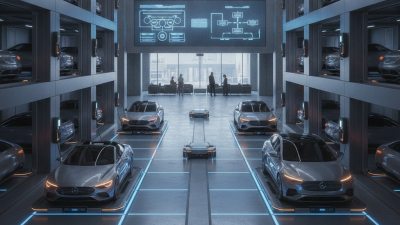
Autonomous vehicles are changing the landscape of parking infrastructure. As these vehicles become more common, the need for traditional parking spaces may decrease. Many urban planners are rethinking Parking Lot designs to accommodate this shift. It's essential to explore how autonomous vehicles can efficiently use existing spaces.
Smart technology plays a vital role in this transition. Sensors and data analytics will help manage parking lots better. Autonomous vehicles can communicate with parking infrastructure. They can reserve spots and minimize the time spent searching for parking. However, the integration of this technology isn't without challenges. Upgrading existing parking facilities to support these innovations can be costly and complicated.
There are also questions about accessibility. Not everyone will have access to autonomous vehicles immediately. This gap may lead to underused parking lots and increased frustration for drivers. Some areas may have to adjust policies to ensure equitable access to parking resources. Balancing innovation with practicality in parking lot management is crucial as we move toward this new era.
Global Market Trends: Adaptations for Diverse Buyer Needs
The global parking equipment market is undergoing significant transformations to cater to diverse buyer needs. According to a recent report by MarketsandMarkets, the sector is expected to grow from $4.2 billion in 2021 to $6.5 billion by 2026, reflecting a compound annual growth rate (CAGR) of 8.7%. This growth is driven by the increasing demand for innovative parking solutions, particularly those that optimize space and enhance accessibility.
Adaptations are crucial for addressing the specific needs of various markets. For instance, urban areas are focusing on compact design and efficiency. Parking Lifts, which maximize vertical space in limited areas, have gained popularity as cities grapple with space constraints. A survey by TechSci Research indicates that parking lifts can save up to 50% of the ground area compared to traditional parking structures. Furthermore, buyers are requesting systems that integrate seamlessly with smart city initiatives, ensuring compatibility with digital payment solutions and real-time data analytics.
However, challenges persist. Not all markets have the infrastructure to support advanced parking technologies. Additionally, the need for skilled installation and maintenance personnel is acute. Different regions may experience delays in adopting innovative solutions due to regulatory hurdles and budget constraints. Understanding these intricacies is vital for suppliers aiming to penetrate diverse global markets effectively.
FAQS
: Contactless payment solutions are widely adopted by over 70% of parking operators worldwide.
They allow users to pay easily through smartphones, eliminating the need for cash or coins.
About 60% of users find mobile payments more convenient compared to traditional methods.
Many users struggle with unfamiliarity, creating a learning curve for adopting these apps.
It maximizes space by allowing cars to be stacked, improving overall space utilization.
Significant initial investment and ongoing maintenance costs can be challenging for parking operators.
They may reduce the demand for traditional parking spaces, prompting rethinking of lot designs.
Sensors and analytics help optimize parking lot usage and enable autonomous vehicle communication.
Accessibility concerns may create underused lots, leading to frustration for non-autonomous vehicle users.
It ensures equitable access to parking resources as we adapt to new technologies.
Conclusion
The article "2026 Top Parking Equipment Trends for Global Buyers" delves into the future landscape of parking solutions, emphasizing the significant advancements expected in parking equipment over the coming years. Key themes include the integration of emerging technologies that enhance efficiency and user experience, alongside strong sustainability trends that prioritize eco-friendly practices in parking solutions.
Furthermore, the role of smart parking systems is highlighted as a vital component in urban development, facilitating better traffic management and real-time data utilization. The anticipated innovations also extend to payment methods and the impact of autonomous vehicles, which are set to reshape parking infrastructure entirely. As global buyers navigate these trends, understanding the essential features of parking equipment will be crucial for adapting to diverse market needs.