Managing space efficiently is more important than ever in today’s busy urban environments. As Michael Johnson from Parking Solutions Inc. puts it, “Having the right Parking Equipment can really make a difference—maximizing space and making life easier for users.” It’s a simple yet powerful reminder of how choosing the right tools can have a huge impact on parking management.
With more cars on the road than ever, picking the right parking equipment isn’t just a luxury, it’s a necessity. Tech innovations like automated parking systems and smart meters are game-changers—they add flexibility and boost efficiency. But here’s the thing: not all equipment works equally well for every spot. Every parking lot or garage has its own quirks and needs.
Investing in good parking equipment can definitely help streamline things, but it’s not just a matter of buying the newest gadgets. You really need to think about your specific context—things like where you’re located, who’s using the space, and what’s on the tech horizon. And don’t just set it and forget it. Regularly reviewing and tweaking your setup can lead to real improvements over time.
Plus, the parking industry is changing fast. Keeping up with new tech and trends is more important than ever. Every decision you make can impact how well your space works. Finding the right balance between adopting innovation and sticking to practical needs can be tricky, but it’s all about staying flexible and always ready to adapt.
Top 10 Parking Equipment: An Overview of the Market and Trends
In the ever-evolving landscape of parking management, modern equipment plays a crucial role. Recent trends indicate that smart parking solutions are gaining popularity. These systems utilize sensors and apps to help drivers find available spaces quickly. Efficient space utilization is more important than ever, especially in urban areas where parking is limited. Yet, not all technologies are foolproof. Some systems face challenges in user adoption and can lead to confusion for those unfamiliar with digital interfaces.
Moreover, sustainability is becoming a key factor in parking equipment selection. Many facilities now consider eco-friendly options like solar-powered payment kiosks and electric vehicle charging stations. However, the implementation of these green technologies often encounters hurdles such as high initial costs and maintenance concerns. It's essential to weigh the benefits against these challenges to determine the best course of action for a facility.
As urban planning evolves, so does the need for innovative parking solutions. The market will likely continue to integrate technology with accessibility. This transition, while promising, invites scrutiny of existing infrastructures. It raises questions about how to improve user experiences continually. Balancing efficiency with inclusivity remains an ongoing task for parking management professionals.
Importance of Efficient Space Management in Modern Urbanization
Efficient space management is crucial in modern urban settings. Cities face tremendous pressure from increasing populations and limited land. Proper management of parking spaces can significantly alleviate congestion and improve flow. When parking is organized, it reduces the time drivers spend searching for spots. This leads to fewer emissions and better air quality.
Implementing modern parking solutions can help maximize available space. Automated systems and smart meters optimize usage. They facilitate real-time data collection, offering insights into peak times and demand patterns. However, these technologies require careful planning and investment. Poor implementation can lead to increased frustration among users, negating the benefits of efficiency.
Urban planners must consider the diverse needs of a city’s population. Accessibility and inclusion are essential. Not all residents have equal access to public transportation. Therefore, a one-size-fits-all approach often fails. Communities need tailored solutions that reflect local conditions. Continuous assessment and adaptation to changing urban dynamics are necessary for long-term success.
Top 10 Parking Equipment for Efficient Space Management
This chart illustrates the demand for various parking equipment in urban areas, highlighting the importance of efficient space management in modern urbanization. The data reflects the percentage utilization of each equipment type.
Key Features to Consider When Choosing Parking Equipment
When selecting parking equipment for efficient space management, understanding key features is vital. Focus on durability and ease of use. Equipment should withstand heavy loads and frequent usage. Garage Lifting Equipment plays a significant role in maximizing vertical space. It allows for the stacking of vehicles, which can significantly increase the number of cars parked in a limited area.
Another important feature to consider is the technology involved. Automated systems can save time and reduce human error. Look for equipment that integrates well with management software. This ensures smooth operations and easy tracking of available spaces. Simplicity in operation is crucial. If the equipment is too complex, it may cause delays or frustrations.
Don’t overlook safety features. Parking equipment should have emergency controls and clear indicators. Users should be trained on potential challenges to ensure safety. Remember, even the best equipment requires regular maintenance. Reflect on your long-term needs. Consider how your choices influence operational efficiency and user experience in a real-world setting.
Emerging Technologies: Smart Parking Solutions and Their Impact
Smart parking solutions are transforming urban mobility. These technologies enhance space management and reduce congestion. According to a report by the International Parking Institute, the integration of smart parking systems can increase parking efficiency by up to 30%. Cities are increasingly investing in sensors and mobile apps to guide drivers to available spaces. This not only saves time but also decreases the carbon footprint from idling vehicles.
Emerging technologies such as Hydraulic Lifting Equipment are also gaining traction. These systems allow for vertical stacking of vehicles, making better use of limited ground space. However, the implementation of such equipment requires careful planning. Some cities face challenges in retrofitting existing structures to accommodate these advanced solutions. A recent survey indicated that 45% of city planners believe that infrastructure limitations hinder smart parking developments.
The overall impact of these innovations on urban environments is significant. They have the potential to reshape parking policies and enhance user experiences. Yet, the adoption rate remains inconsistent, highlighting a need for more public awareness and pilot programs. Urban areas should prioritize knowledge sharing regarding these technologies to ensure their benefits are fully realized.
Cost Analysis: Budgeting for Parking Equipment Investments
When considering the investment in parking equipment, budget analysis is crucial. Understanding initial costs, maintenance expenses, and potential revenue generation is vital. Many people overlook ongoing expenses like repairs and software updates. These hidden costs can quickly accumulate, impacting your overall budget. It is wise to create a detailed financial plan before acquiring any equipment.
Consider the types of equipment you need for your Parking Lot. Automated systems may have higher upfront costs but could save money in the long run. Traditional options can be less expensive initially but may not optimize space effectively. Research shows that efficient space management reduces the need for additional land. Evaluating your specific needs will help in making an informed decision.
Keep in mind that not all equipment will produce instant returns. Some items might require time to prove their value. Reflecting on user feedback can provide insights into what works best. Regular assessment of your parking lot layout and equipment functionality will ensure you adjust settings as needed. Investing in the right tools requires careful thought and strategic planning.
Case Studies: Successful Implementation of Parking Systems
Implementing an efficient parking system can revolutionize space management in urban areas. One case study highlighted a city that utilized smart parking technology. By monitoring occupancy levels in real-time, they reduced parking congestion significantly. Moreover, digital payment options streamlined transactions, enhancing user experience.
For effective space management, consider the layout of parking facilities. Wide drive aisles and clearly marked spaces help drivers navigate easily. Inefficient designs can lead to frustration and wasted time. Regularly reviewing the layout can identify areas for improvement, making adjustments based on usage patterns.
Communication is vital in successful implementations. Engaging stakeholders, from local businesses to residents, fosters collaboration. Transparent updates on system features and benefits build trust and encourage use. The involvement of the community ensures that the system meets diverse needs. Always reflect on user feedback to adapt and improve.
User Experience: Enhancing Customer Satisfaction in Parking Facilities
In parking facilities, enhancing customer satisfaction is crucial for success. Efficient space management relies on smooth user experience. Customers value clear signages, easy navigation, and prompt assistance. Integration of technology is key. Real-time parking availability updates can ease frustration for drivers. Smart systems allow users to reserve spaces in advance, adding convenience to their visits.
Reception areas should be welcoming. A clean, organized entrance creates a positive impression. Staff training is essential for friendly interactions. When employees are knowledgeable, they inspire confidence in users. Parking Lifts can also improve access for all customers, including those with disabilities. This focus on inclusivity can elevate the overall experience.
Feedback mechanisms are valuable for continuous improvement. Listening to user suggestions helps identify pain points. Some facilities may overlook the importance of customer input. Regular assessments can guide necessary changes. Prioritizing user experience ensures parking facilities attract repeat visitors. Building trust and reliability in services leads to lasting satisfaction.
Environmental Impact: Sustainability in Parking Solutions
Sustainability is becoming vital in parking solutions. Many parking systems now integrate green technologies. Solar panels can power lighting in parking areas. This reduces energy consumption significantly. Sustainable materials are also being used in parking equipment. Recycled steel and eco-friendly coatings minimize environmental impact.
Innovative technologies like automated parking systems enhance space efficiency. They reduce the land required for parking. However, these systems can be costly to implement. Not all cities can afford these advancements. Smart parking apps can help drivers find spots quickly. This decreases the time spent cruising, which reduces emissions. Yet, the reliance on technology raises concerns about data privacy.
With increasing urbanization, efficient space management is more critical than ever. Parking solutions should consider local environments. Employing a one-size-fits-all approach won't work. Each region has unique challenges. It’s essential to assess the environmental impact of these systems continuously. Reflecting on their effectiveness can lead to better choices for future developments.
Top 10 Parking Equipment for Efficient Space Management
| Equipment |
Type |
Features |
Environmental Impact |
| Automated Parking System |
Mechanical |
Maximizes space, reduces labor |
Low CO2 emissions, energy efficient |
| Parking Management Software |
Digital |
Real-time monitoring, analytics |
Encourages optimal usage and reduces waste |
| Electric Vehicle Charging Stations |
Charging |
Supports eco-friendly vehicles |
Promotes electric vehicle use, reducing fossil fuel dependency |
| Parking Kiosks |
Payment |
Cashless transactions, user-friendly interface |
Reduces paper waste with digital receipts |
| Bicycle Parking Racks |
Bike Storage |
Secure and space-efficient |
Supports sustainable transportation |
| Parking Sensors |
Guidance |
Guides drivers to available spots |
Improves traffic flow, reduces congestion |
| Smart Parking Meters |
Payment |
Dynamic pricing, remote access |
Encourages turnover, maximizes space usage |
| Mobile Parking Apps |
Digital |
Finds nearby parking, payment options |
Promotes efficient space use |
| Parking Lot Lighting Solutions |
Lighting |
Energy-efficient LEDs |
Reduces energy consumption and costs |
| Solar-Powered Parking Systems |
Renewable Energy |
Self-sustaining, eco-friendly |
Utilizes renewable resources, minimizes grid reliance |
Innovative Low Headroom Hydraulic Parking Systems: A Solution for Space-Saving Parking Challenges
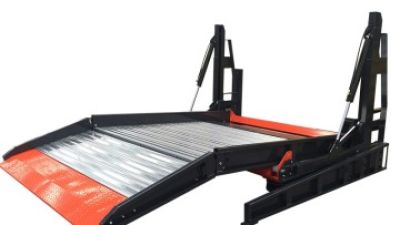
Innovative low headroom hydraulic parking systems are revolutionizing the way we approach parking challenges, particularly in urban environments where space is at a premium. The tilting type parking system emerges as a leading solution, specifically engineered to maximize efficiency in settings such as basement garages, villas, and residential areas with restrictive headroom. By combining rapid lifting times with quick vehicle retrieval capabilities, this system effectively mitigates the frustrations commonly associated with compact parking spaces.
What sets this hydraulic parking system apart is its exceptional waterproof performance and minimal civil engineering requirements, which simplify the installation process across diverse site conditions. Equipped with a robust motor that caters to both 110V and 220V electrical configurations, it offers remarkable flexibility for various environments. Additionally, the system's CE certification assures users of its reliability and adherence to stringent industry standards, making it a practical choice for homeowners and private parking environments alike.
Designed with the user in mind, the tilting type parking system not only meets specific site requirements through custom solutions but also promotes long-lasting and dependable performance. Its strong design allows for easy operation, ensuring that parking is both convenient and efficient. This innovative approach presents a stellar opportunity for those seeking space-saving solutions without compromising on quality or functionality.
FAQS
: Smart parking solutions are becoming popular. They help drivers find available spaces quickly.
Limited parking makes efficient space management essential. It reduces congestion and improves traffic flow.
Solar-powered kiosks and electric vehicle charging stations are current eco-friendly choices.
High initial costs and maintenance concerns can hinder implementation. Weighing benefits against these challenges is crucial.
Automated systems and smart meters optimize space and collect real-time data. However, poor implementation can frustrate users.
A one-size-fits-all approach often fails. Communities need tailored solutions for diverse population needs.
Initial costs, maintenance, and potential revenue are vital. Ongoing expenses like repairs can accumulate quickly.
Not all equipment shows immediate benefits. User feedback is important for assessing effectiveness before investing.
Regular assessment and adaptation to changing dynamics ensure efficiency. It's a crucial part of long-term success.
Poor planning can lead to confusion and frustration. Careful thought is necessary to prevent this outcome.
Conclusion
The article "Top 10 Parking Equipment for Efficient Space Management" provides a comprehensive overview of the parking equipment market and its evolving trends. It emphasizes the critical importance of efficient space management, particularly in the context of modern urbanization, where space is a premium. Key features to consider when selecting parking equipment include technology integration, user-friendliness, and sustainability, ensuring that facilities can adapt to changing demands.
Emerging technologies, particularly smart parking solutions, are highlighted for their transformative impact on the parking experience, improving both efficiency and user satisfaction. A cost analysis section discusses budgeting for parking equipment investments, making it easier for organizations to plan financially. Furthermore, the article features case studies demonstrating successful implementations and explores ways to enhance customer experience in parking facilities. Finally, the environmental impact of sustainable parking solutions is considered, reinforcing the necessity for eco-friendly practices in parking management.