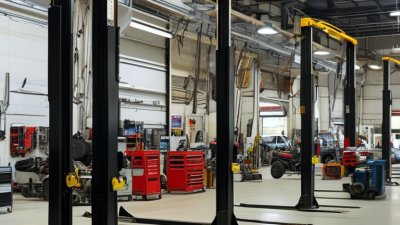
In today’s fast-changing automotive world, people are really looking for smarter ways to manage space more efficiently. Have you heard of Hydraulic Car Stackers? They've become pretty popular among businesses trying to make the most out of their space. Basically, these stackers let you lift and store cars safely, which is a huge help for workshops and garages that want to save floor space without hassle.
There are quite a few companies out there making Hydraulic Car Stackers, and each one offers something a little different — from features to price points. Names like BendPak, Mid-America, and APlusLift are often top contenders because of their reputation for quality and dependability. When it comes down to choosing, quality really matters—your stacker needs to be sturdy, but also easy to use. The tricky part? Picking the right one. Things like how much weight it can handle, safety features, and warranty coverage all come into play.
For buyers around the world, staying updated on new trends and tech developments is key. The hydraulic stacker market is pretty competitive and always changing. It’s a good idea to really think about what you need most—are you trying to keep costs down, or is safety your number one concern? Finding that sweet spot can make all the difference. When you make informed decisions, your business isn’t just more efficient — it’s also more productive and safer for everyone involved.
Top Trends Shaping the Hydraulic Car Stacker Market in 2026
The hydraulic car stacker market is undergoing significant transformations in 2026. Increased urbanization is a primary driver behind this growth. Cities are expanding, and space is more limited than ever. According to industry reports, the market for hydraulic car stackers is expected to grow at a CAGR of 5.5% during the forecast period. This growth reflects the rising need for efficient parking solutions in congested urban environments.
Another trend is the surge in automation. Modern hydraulic car stackers are increasingly integrated with smart technology. They offer enhanced control and improved safety features. With real-time monitoring, operators can track the space use in a "Car Stacker Car Park." This reflects a shift toward automated solutions that maximize space utilization while ensuring safety.
Sustainability is also a pressing issue. The demand for eco-friendly hydraulic car stackers is on the rise. Manufacturers are focusing on energy-efficient designs that minimize environmental impact. However, not all companies have embraced this change. Critiques highlight inconsistency in implementing green technologies across the industry. As the market evolves, balancing innovation with eco-conscious design remains a hurdle.
Key Specifications to Consider When Selecting Hydraulic Car Stackers
When selecting hydraulic Car Stackers, it’s vital to consider key specifications that can impact performance and safety. One of the primary factors is load capacity. Most car stackers have a capacity ranging from 2,000 to 4,000 pounds. This can affect the types of vehicles you can stack. Choosing a model with appropriate capacity is essential to avoid accidents and equipment failure.
Another specification to evaluate is the lifting height. Generally, hydraulic stackers can lift vehicles between 30 and 60 inches. A suitable lifting height can help optimize garage space. However, it’s important to balance height with stability. Higher lifts can sometimes compromise stability. Ensuring the stacker has a solid base is crucial for safety.
**Tips:** Look for features that enhance stability, such as wide bases and locking mechanisms. Regular maintenance is also important: keep hydraulic fluids at optimal levels and check for wear and tear.
You should also consider the ease of operation. User-friendly controls and smooth hydraulic systems enhance efficiency. An efficient hydraulic car stacker can significantly increase productivity in an automotive shop. However, take time to compare different models and their reliability in practice. Reflections in user reviews can reveal potential pitfalls that specifications alone might not convey.
A Comparative Analysis of Leading Hydraulic Car Stacker Brands
Hydraulic car stackers have become essential tools in automotive service and storage. Their efficiency and compact design allow for space-saving benefits. Many brands offer various features that cater to different needs. Depending on the intended use, some stackers provide more lifting capacity than others. Understanding these differences is crucial for any buyer.
When comparing leading brands, design and functionality play a significant role. For example, some stackers offer easy maneuverability, while others focus on higher weight limits. A few may lack stability, raising concerns for safety measures. Furthermore, maintenance requirements can vary, affecting long-term usability.
Evaluation of hydraulic systems is another critical area. Some systems are designed for heavy-duty usage, while others suit lighter applications. This can influence not only performance but also user experience. Each aspect requires careful consideration. Potential buyers should look for user reviews and expert opinions to better understand product reliability.
Top 10 Hydraulic Car Stackers - Performance Comparison 2026
This chart compares the load capacity of the top 10 hydraulic car stackers for global buyers in 2026. Each model demonstrates its capability to support varying weights, providing insights into their performance and suitability for different applications.
Market Share Insights: Hydraulic Car Stackers Across Global Regions
The market for hydraulic car stackers is expanding across various regions. Many global buyers seek reliable equipment to optimize parking space. The demand for Car Park Stackers has surged, especially in urban areas. These areas face challenges due to space constraints. A well-designed hydraulic car stacker can elevate vehicles, creating efficient vertical parking solutions.
In Europe and North America, the market is witnessing significant growth. Countries are implementing smart parking technologies, enhancing user experience. A car park stacker offers convenience but requires careful consideration of safety standards. Some regions still grapple with regulations that could impact market dynamics. It's crucial for buyers to stay informed about local guidelines.
Emerging markets in Asia and Africa also show promising trends. These regions increasingly recognize the need for efficient parking systems. However, local infrastructure may not always support advanced technologies. Buyers must weigh their options thoughtfully. Choosing a hydraulic car stacker involves understanding both capacity and regional requirements. Balancing innovation with practicality can lead to better solutions in the long run.
Innovations in Hydraulic Technology: Enhancements for Stackers in 2026
In 2026, the hydraulic Stacker Car Lift market will witness remarkable innovations. Engineers are focusing on improving efficiency and safety. New hydraulic systems reduce energy consumption while maximizing lifting capacity. These advancements aim to make stackers more user-friendly. Ergonomics will play a key role in design, allowing operators to work comfortably and efficiently.
Consider incorporating smart technology into your stacker car lift. IoT features enhance tracking and diagnostics. This connectivity allows for proactive maintenance. Operators can receive alerts, preventing costly downtime. However, the reliance on technology also raises concerns about support and training. Users must adapt to these changes.
Safety enhancements are another priority for manufacturers. Automatic locking mechanisms will ensure stability during lifting. Additionally, features like overload sensors will prevent dangerous situations. However, these systems can sometimes malfunction. Regular checks and training are necessary to maintain safety standards. Investing in a reliable stacker car lift means prioritizing these innovations while remaining cautious of potential pitfalls.
Safety Standards and Regulations Impacting Hydraulic Car Stackers
The landscape of hydraulic car stackers is shaped significantly by evolving safety standards and regulations. As more manufacturers enter the market, compliance becomes paramount. Adherence to safety norms can prevent accidents and improve operational efficiency. These regulations are designed to protect users and ensure the equipment's reliability. Regular inspections and proper maintenance are critical for safety. Many stackers come with features like emergency stop buttons and safety locks, enhancing user protection.
Moreover, as technology advances, standards evolve. Stakeholders must stay updated about changes in these regulations. Understanding which features enhance safety is essential for buyers. For instance, anti-slip surfaces and automatic braking systems can be invaluable. However, not all products meet these safety benchmarks, which necessitates thorough evaluation. Buyers often face the challenge of navigating this information. They need reliable sources to ensure they select compliant equipment.
Reflecting on these standards prompts a deeper analysis of the market. There are gaps in manufacturer compliance and product safety claims. Buyers should conduct diligent research and possibly consult safety experts. The burden lies not just on manufacturers but also on users to remain vigilant. Emphasizing safety in operational practices can significantly mitigate risks. This ongoing conversation about safety standards enhances accountability in the industry.
Top 10 Hydraulic Car Stackers for Global Buyers 2026
| Model |
Max Lifting Capacity (tons) |
Lift Height (mm) |
Min Height (mm) |
Safety Features |
Compliance Standards |
| Model A |
3 |
1600 |
110 |
Emergency stop, Overload protection |
ANSI/ASME B30.1 |
| Model B |
2.5 |
1400 |
120 |
Safety locking pin, Tilt alarm |
ISO 9001 |
| Model C |
4 |
1800 |
100 |
Automatic safety shutoff, Visual warning system |
EN 1493 |
| Model D |
5 |
2000 |
90 |
Anti-slip platform, Load cell safety |
ASME/ANSI B30.20 |
| Model E |
2 |
1300 |
130 |
Manual release system, Safety catch |
OSHA standards |
| Model F |
3.5 |
1700 |
115 |
Emergency brake, Warning indicator |
ISO 45001 |
| Model G |
4.5 |
1900 |
80 |
Load monitoring system, Emergency lowering mechanism |
ANSI/ASME B30.3 |
| Model H |
6 |
2100 |
100 |
Dual safety lock, Flexible platform |
EN 1570 |
| Model I |
7 |
2200 |
110 |
Smart descent control, Anti-tip feature |
ISO 14121 |
| Model J |
5.5 |
2000 |
120 |
Overload indicator, Safety curtains |
AS 2550.1 |
Cost-Benefit Analysis: Investing in Hydraulic Car Stackers for Businesses
Investing in hydraulic car stackers can significantly benefit automotive businesses. According to a study from the International Journal of Automotive Engineering, hydraulic stackers enhance storage efficiency by up to 70%. This increase translates to cost savings and improved operational flow. However, initial costs can be substantial. Businesses must evaluate their needs against these investments.
Tips: Calculate the potential increase in capacity. If your business can handle more vehicles, the investment may pay off quickly. A cost-benefit analysis is essential to assess long-term profits.
The adoption of hydraulic technology often leads to reduced labor costs. A report from the World Economic Forum highlights a decrease of 20-30% in workforce demands when using automated systems. Still, it's essential to consider maintenance costs over time. Neglecting long-term upkeep can lead to increased failure rates and unexpected expenses.
Tips: Schedule regular maintenance checks. This proactive approach can prevent costly repairs and downtime. Understanding these factors will guide businesses in making informed decisions. Investing mindfully in hydraulic solutions can lead to sustainable growth.
FAQS
: Focus on load capacity and lifting height. Load capacities typically range from 2,000 to 4,000 pounds.
Load capacity affects the types of vehicles you can stack. A mismatch may lead to accidents.
Most stackers lift vehicles between 30 and 60 inches. It helps optimize garage space.
Look for features like wide bases and locking mechanisms to enhance stability and safety.
Regularly check hydraulic fluid levels and inspect for wear and tear to maintain performance.
User-friendly controls and smooth systems can significantly enhance efficiency in automotive shops.
Maintenance requirements vary across models, impacting long-term usability. User reviews can reveal potential issues.
The demand is rising globally, especially in urban areas facing space constraints.
Stay informed about local regulations, especially in areas with strict safety standards.
Local infrastructure may not support advanced technologies, necessitating careful option weighing.
Conclusion
The article titled "Top 10 Hydraulic Car Stackers for Global Buyers 2026" provides an in-depth overview of the evolving landscape of hydraulic car stackers in 2026. It highlights the top trends shaping the market, emphasizing advancements in hydraulic technology that enhance stacker efficiency and safety. Furthermore, the article delves into essential specifications to consider when selecting hydraulic car stackers, offering insights into the comparative advantages of various models.
Readers will benefit from a comprehensive analysis of market share across different global regions, along with an examination of safety standards and regulations affecting product compliance. Additionally, a cost-benefit analysis elucidates the investment potential for businesses in hydraulic car stackers, making it a crucial resource for potential buyers looking to make informed purchasing decisions in the coming years.