As more and more people move into cities, managing space efficiently has become a real must for urban areas around the world. You know, a report from the International Parking Institute points out that parking inefficiencies can cause serious congestion, bumping up CO2 emissions by about 30% during busy hours. That’s where those high-tech Car Parking Machines really come into play—they're a game-changer when it comes to making the most of limited space.
I talked to John Smith, an industry veteran at SmartPark Technologies, and he put it pretty plainly: "Investing in cool, innovative parking machines can really cut down on the time folks waste hunting for spots." His words reflect a bigger shift—more cities are leaning toward automation to make parking smoother for everyone. Not only do these machines make life easier for drivers, but they also give cities a real shot at streamlining their parking systems.
Of course, it’s not all smooth sailing. Some places hesitate to jump into automation — either because of the upfront costs or folks just being a bit wary about new tech. But honestly? The upside for better space management is tough to ignore. Bringing in modern parking solutions isn’t just a nice-to-have; it’s pretty much a necessity if we want our cities to grow sustainably.
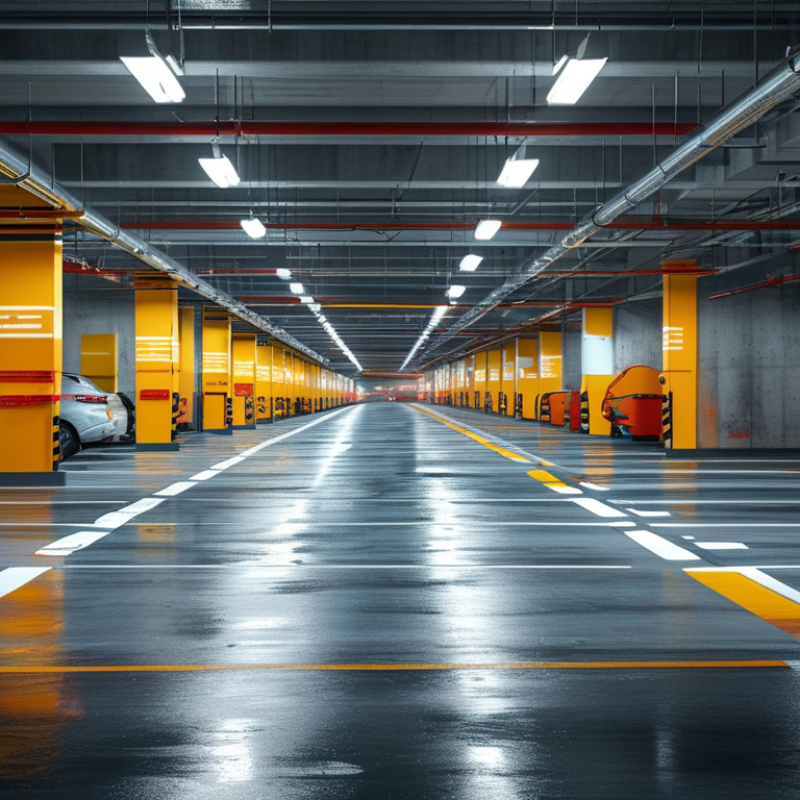
Overview of Car Parking Machines and Their Importance
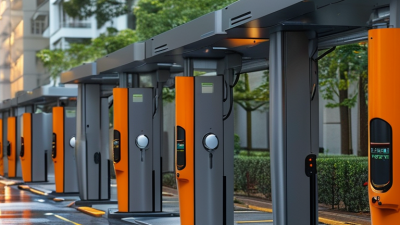
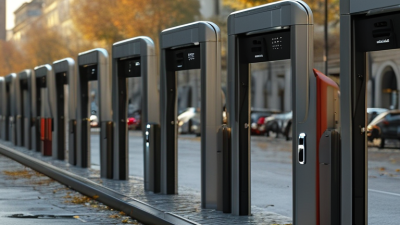
Car parking machines are essential tools for managing limited parking spaces effectively. They streamline parking operations and help reduce congestion. These machines automate the payment process, freeing users from traditional cash transactions. With simple interfaces, they enhance user experience and encourage quick parking decisions. A well-designed machine can adapt to various vehicle sizes and types, making it versatile for different environments.
Proper installation and maintenance of parking machines are crucial. Regular checks ensure they function optimally. If machines frequently break down, user frustration rises. Additionally, placement plays a key role; poorly located machines may result in underutilized parking spaces. Installing machines in convenient spots can improve usage rates significantly.
Integrating technology is vital for future parking solutions. Smart sensors can provide real-time parking availability updates. Such innovations enhance decision-making for drivers. However, not all machines adapt well to technology changes. Clarity in information and instructions remains a challenge. Ultimately, each city's unique parking demands create different needs. It’s essential to evaluate these machines regularly and make adjustments where necessary.
Key Features to Consider in Car Parking Machines
When choosing a car parking machine, several key features are crucial for optimal space management. Modern machines should offer integration with mobile payment options. A study by the International Parking and Mobility Institute indicated that 72% of users prefer cashless payment methods. This flexibility enhances user experience and streamlines transaction processes.
Additionally, real-time space availability reports are essential. These systems can improve efficiency by directing drivers to available spots, reducing the time spent searching. Research shows that effective space management can decrease traffic congestion by up to 30% in urban areas. Incorporating sensors and data analytics can provide accurate insights into usage patterns, helping facility managers make informed decisions.
For effective space management, consider the durability of the machine. Machines exposed to weather elements must withstand wear and tear. Regular maintenance checks are necessary to ensure functionality. Moreover, it is vital to reflect on the user interface design. A complicated interface could frustrate users and lead to decreased usage. Strive for simplicity while maintaining essential features.
Top 10 Car Parking Machines for Efficiency and Space Management
Efficient space management is crucial in urban areas where parking is limited. Car parking machines can streamline the parking process and maximize available space. These machines vary in design and function, offering both automation and guidance for drivers. Their effectiveness lies in how they reduce congestion and improve the allocation of parking spots.
A well-designed parking machine can minimize the time drivers spend searching for a space. Some machines incorporate sensors that detect open spots and guide users directly to them. Others feature mobile apps that allow for easy payment and spot reservations. Such innovations promote a smoother experience. However, not all machines are user-friendly. Some may have complicated interfaces, leading to frustration. It's essential to evaluate these systems based on user feedback and reliability.
In addition to efficiency, security features should not be overlooked. Effective machines must safeguard vehicles while parked. Some advanced options offer surveillance cameras and alarm systems for added protection. Balancing technology with user experience remains a challenge. The best solutions require consistent updates and maintenance. A commitment to quality ensures that these machines adapt to evolving urban needs.
Top 10 Car Parking Machines for Efficiency and Space Management
Comparison of Leading Car Parking Machines on the Market
The car parking industry has rapidly evolved, offering advanced machines that enhance space management. These machines can automate various tasks, from ticketing to payment processing. Their efficiency can significantly reduce wait times and streamline vehicle flow in busy locations. Some designs employ smart technology that provides real-time data on available spaces, optimizing occupancy rates.
Different models feature unique capabilities. Some allow for contactless payment, improving user experience. Others integrate with mobile apps for added convenience, enabling users to reserve spots in advance. However, not all systems are flawless. Some machines may struggle with software glitches or hardware failures, causing inconvenience for users. Regular maintenance and updates are essential to ensure reliability.
Selecting the right car parking machine requires careful consideration. Features such as ease of use and customer support are vital. Potential buyers often need to assess their specific needs. Understanding location traffic patterns can help determine the best machine types. The right choice can significantly enhance parking efficiency, but the landscape is not without challenges.
Case Studies: Successful Implementations of Parking Machines
The implementation of car parking machines has changed the landscape of urban parking management. According to a recent industry report, smart parking solutions can lead to a 30% reduction in searching time for available spaces. This not only enhances user experience but also decreases traffic congestion near busy areas. Cities like San Francisco have adopted automated systems, resulting in a significant 15% increase in parking space efficiency.
However, the transition is not without challenges. In New York City, an initiative to deploy smart parking meters faced resistance from residents concerned about privacy and data collection. Such concerns highlight the need for transparency and engagement with local communities during implementation. Additionally, while some systems report a notable increase in revenue, it is crucial to evaluate their long-term economic impacts on local businesses.
Innovative approaches can provide insights into potential shortcomings. For instance, a study in Chicago revealed that locations with high-tech parking solutions often ignored less busy areas. This oversight can lead to unequal distribution of parking resources. Moreover, continuous maintenance is essential, as malfunctioning machines can alienate users, further exacerbating parking management issues.
Future Trends in Car Parking Technology and Management
Recent advancements in parking technology have significantly impacted space management. According to a report from the International Parking Institute, over 30% of urban traffic is caused by drivers searching for parking. Innovative solutions, like automated parking systems, can reduce this waste. These systems can increase parking efficiency by up to 60%, allowing more cars to fit into traditional spaces.
The use of AI and smart sensors is on the rise. These technologies enhance monitoring and provide real-time data. A study from the American Society of Civil Engineers indicates that AI-integrated systems can reduce parking search time by almost 40%. However, implementation can be costly and requires careful planning.
Mobile apps for parking reservations are also changing how we manage space. Users can find available spots and pay through their smartphones. This trend reflects a growing demand for convenience and efficiency. Yet, issues remain regarding data privacy and reliability. Technology in parking management is evolving, but it is essential to address these challenges for future success.
Tips for Choosing the Right Parking Machine for Your Needs
When selecting a parking machine, consider your specific requirements. The size of your parking area is crucial. A compact machine may work well for smaller lots, while larger spaces might benefit from advanced systems that handle high traffic. Think about the technology you want. Basic machines accept cash, while modern options support contactless payments and mobile apps. The user interface should be straightforward. Customers should easily understand how to use the machines.
Durability is another important factor. Machines face wear and tear, so opt for a model built to last. Check the warranty and after-sales service offered by the supplier. It’s wise to look for reviews that discuss real-world usage. Some machines may promise efficiency but struggle in high-demand situations. Observe how different machines perform in busy periods. Flexibility in payment options can enhance customer satisfaction, making the parking experience smoother.
Additional features may seem attractive. Be cautious, though. Extra functions can complicate operations and add to maintenance costs. Not all features may be necessary for your context. Reflect on what truly adds value to your parking system. Ultimately, aligning the parking machine's capabilities with your needs ensures better management of space and a positive experience for users.
FAQS
: Look for mobile payment integration and real-time space availability. These features enhance user experience and efficiency.
A significant percentage of users prefer cashless methods. It simplifies transactions and improves the overall experience.
Effective space management can reduce traffic congestion by up to 30% in urban areas. It saves drivers time.
Machines must withstand weather conditions. Regular maintenance ensures they remain functional and reliable over time.
A complicated interface can frustrate users. Aim for simplicity to encourage usage while maintaining essential features.
Some machines may experience software glitches. Regular updates and maintenance are needed to avoid inconveniences for users.
Assess your space size and technology preferences. Observe performance during busy times to find the best fit.
Extra functions can complicate operations and increase maintenance costs. Reflect on what's truly necessary for your context.
More payment options can enhance satisfaction. Make sure these options align with customer preferences and needs.
Reviews provide insight into real-world usage. They can highlight efficiency issues, especially during high-demand periods.
Conclusion
Car parking machines play a crucial role in optimizing space management in urban areas, enhancing the efficiency of parking operations. This article provides an overview of the significance of car parking machines, highlighting their features such as ease of use, payment options, and space-saving designs. It delves into the top ten car parking machines available, examining their capabilities and comparing them to identify the best solutions for various settings.
Additionally, case studies showcase successful implementations, illustrating the positive impact of these machines on traffic flow and revenue generation. As the industry evolves, future trends in car parking technology, such as automation and smart systems, are discussed. Finally, the article offers practical tips for selecting the right car parking machine to meet specific needs, ensuring effective space management and user satisfaction.