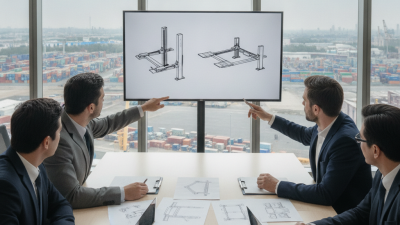
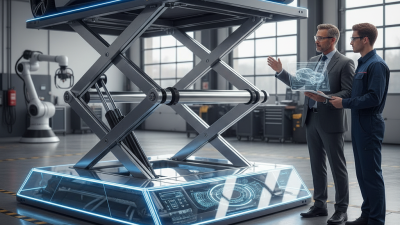
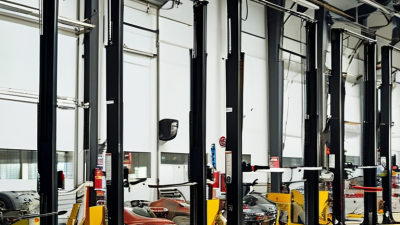
In the auto world, keeping vehicles in good shape is pretty much the backbone of success. One tool that really makes a difference is the Car Lifting Machine. These machines give mechanics easier access to those tricky spots under the hood, making the whole process safer and smoother. When you’ve got the right gear, jobs like changing oil or fixing brakes can go way faster and with less hassle.
There are quite a few companies out there, like BendPak and Mohawk, offering different kinds of Car Lifting Machines, each suited for various needs. Every model comes with its own set of features, designed to handle different weights and vehicle types. Picking the right one can seriously boost productivity and cut down on risks in the shop. That said, it’s also super important to think about your available space and what kind of vehicles you’re usually working on.
Getting a Car Lifting Machine isn’t just about having the right tools—it’s also about safety and trust. Most of these machines do a great job, but some can be a bit tricky or have their quirks. Mechanics need to stay alert, check their equipment regularly, and make sure everything’s up to safety standards. All in all, choosing the right lifting machine wisely can really level up your vehicle maintenance game, making everything safer and more efficient.
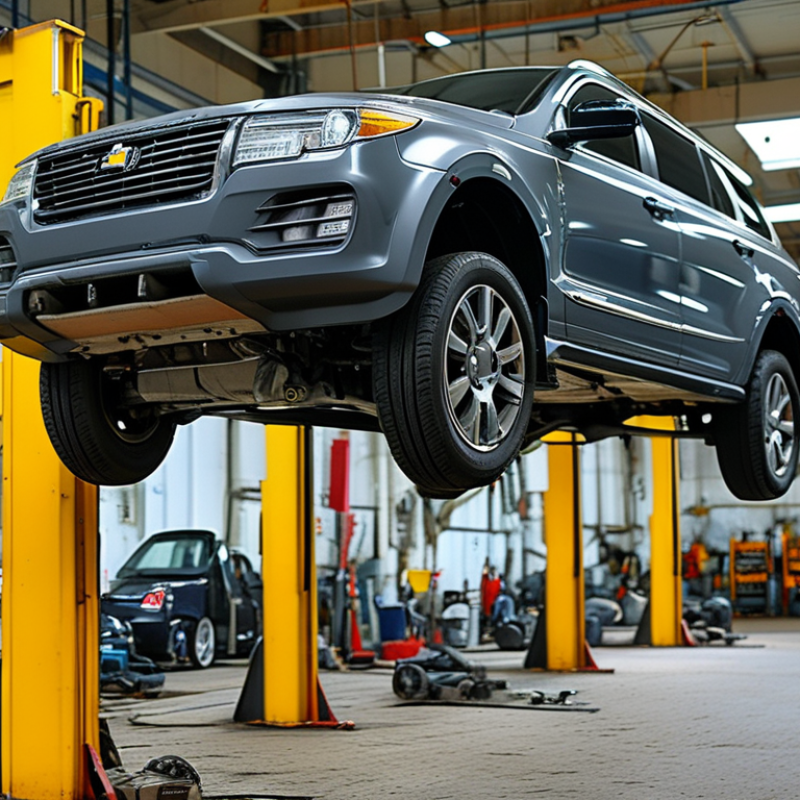
Types of Car Lifting Machines for Vehicle Maintenance
When it comes to car lifting machines, understanding the different types is essential for effective vehicle maintenance. These machines vary in design and functionality, catering to different workshop needs. One common type is the two-post lift, ideal for quick inspections. It offers easy access to the vehicle's undercarriage and components. Many garages prefer this model for its space efficiency and ease of use.
Another popular option is the four-post lift, which provides stability and can accommodate larger vehicles. This type is great for tasks that require more support, such as wheel alignment or suspension work. However, it does take up more space, which might not be ideal for smaller workshops.
Scissor lifts are also notable for their compact size. They are especially useful in tight spaces and allow for a broad range of maintenance tasks. Despite their advantages, scissor lifts can limit accessibility to some vehicle parts. Each type of lift has its strengths and weaknesses, making it crucial to evaluate your specific requirements before making a decision. Reflecting on the service types your workshop handles can guide you toward the right choice.
Key Features to Consider When Choosing a Car Lift
When choosing a car lift for efficient vehicle maintenance, several key features require careful consideration. The lifting capacity is paramount, as it determines the types of vehicles you can service. Ensure the lift can handle the weight of light trucks and sedans, as many industry reports indicate that the average weight of vehicles has increased over the last decade. Selecting a lift with a capacity of at least 10,000 pounds is advisable for flexibility.
Another crucial factor is the lift's height adjustment. A machine that can reach a minimum of 48 inches allows easier access to the vehicle's undercarriage. This is particularly important for tasks like brake inspections or exhaust system repairs. Studies show that ergonomic designs improve efficiency for technicians, allowing them to work longer without fatigue.
**Tip:** Always evaluate the lift's footprint. A compact design is advantageous for small workshops where space is limited.
Safety features also play a critical role. Look for models with locking mechanisms that prevent accidental lowering. A survey by the Automotive Lift Institute found that lifts with more than two safety locks significantly reduce the risk of accidents.
**Tip:** Regular maintenance checks of your Garage Lifting Equipment ensure safety and longevity. Small issues can lead to larger hazards if overlooked.
Investing in quality lifting equipment fosters a safer and more efficient workshop environment.
Top Car Lifting Machines for Efficient Vehicle Maintenance
| Lift Type |
Weight Capacity |
Lifting Height |
Power Source |
Key Features |
| Hydraulic Two-Post |
10,000 lbs |
73 inches |
Electric |
Durable, Compact, Easy to Operate |
| Four-Post Lift |
12,000 lbs |
80 inches |
Electric |
Sturdy, Vehicle Storage, Easy Access |
| Scissor Lift |
6,000 lbs |
48 inches |
Electric |
Space-Saving, Versatile, Safe Design |
| Portable Car Lift |
5,000 lbs |
24 inches |
Hydraulic |
Lightweight, Mobile, Easy Setup |
| In-Ground Lift |
15,000 lbs |
60 inches |
Electric |
Space Efficient, Professional Use, High Capacity |
Benefits of Using Car Lifting Machines in Maintenance
Car lifting machines play a crucial role in vehicle maintenance. These machines enhance the efficiency of workshops by providing easy access to undercarriage parts. When technicians can lift a vehicle to eye level, they can inspect and repair it more effectively. This convenience saves time and reduces the risk of injury.
Using Hydraulic Lifting Equipment offers stability and strength. Traditional jacks may not provide the same level of support. A reliable lift can accommodate heavier vehicles safely. This capability is vital for tasks like oil changes or brake repairs, which require working beneath the car. However, not all workshops may have the expertise to operate these machines properly.
Proper training is necessary to maximize safety and efficiency. Misuse or overloading can cause accidents. Regular maintenance of the lifting equipment is essential too. Neglected machines may become unreliable. This highlights the importance of adherence to safety protocols and regular checks. Overall, investing in car lifting machines is beneficial for both technicians and vehicle owners.
Safety Protocols for Operating Car Lifting Equipment
When operating car lifting equipment, safety should always be a priority. Proper training is essential for anyone who plans to use this machinery. Workers must understand the lifting capacities and the specific functions of the equipment. Regular inspections are necessary to ensure that all components are in good working order. Small details can make a huge difference, such as checking for hydraulic leaks or ensuring that safety locks function correctly.
Moreover, a clear communication protocol is crucial. Everyone on the shop floor should know who is operating the lift. Using hand signals or verbal commands helps prevent accidents. Wearing appropriate personal protective equipment, like gloves and steel-toed boots, is also vital. Even experienced technicians can overlook safety protocols. It is easy to underestimate the risks involved. A moment of negligence can lead to serious injuries.
Despite all precautions, accidents can occur. Therefore, it's wise to have a well-stocked first aid kit readily available. Emergency procedures should be visibly posted in the workspace. Regular safety drills can prepare the team for unforeseen situations. Reflection on past incidents can inform better practices. Mistakes should lead to discussions on improvement rather than fear of reprimand. Ensuring a safe environment fosters a culture of care and responsibility among the team.
Top Brands and Models of Car Lifting Machines
When considering car lifting machines, the choice can be overwhelming. Various brands and models specialize in enhancing vehicle maintenance efficiency. These machines come in different types, such as hydraulic lifts and four-post lifts. Each type serves distinct purposes, accommodating various vehicle sizes and weights.
Notably, certain brands have established reputations for their durability and performance. Hydraulic lifts often stand out for simple operation and reliability. They offer stable lifting power and can handle heavy vehicles with ease. Meanwhile, four-post lifts excel in providing a safe, spacious platform. This design is ideal for servicing multiple vehicles at once.
However, not every model meets all needs. Some lifts might struggle with specific weight capacities. Others could lack essential safety features. It is vital to research each model thoroughly. Looking into user reviews can uncover performance issues that are not immediately apparent. Buyers should weigh their options carefully before making a final decision.
Maintenance Tips for Car Lifting Machines
When using car lifting machines for vehicle maintenance, proper care is essential. Regular maintenance extends their lifespan and enhances safety. Check hydraulic fluid levels frequently. Low fluid can weaken lifting power. Inspect for leaks around hoses and fittings. An unexpected drop can lead to accidents.
Always ensure the lifting points are clean and free of debris. Dirty surfaces can lead to slipping. Furthermore, avoid overloading the machines. Each car lifting machine has a weight limit. Ignoring this can cause mechanical failure. It's crucial to read the user manual carefully.
While using these machines, be mindful of your surroundings. Keep the area organized and free from clutter. This keeps workers safe and promotes efficiency. Additionally, perform visual inspections before each use. Look for signs of wear and tear. Identifying issues early can prevent serious problems later. Regular checks can save time and money in the long run. These small steps in maintenance can lead to significant benefits, especially when working with heavy vehicles in a busy garage setting.
A well-maintained Car Parking Machine is the backbone of effective vehicle management. Neglecting these responsibilities can have costly consequences.
Cost Considerations for Purchasing a Car Lift
When considering the cost of purchasing a car lift, several factors come into play. A quality car lift can range from $2,000 to $10,000, depending on its type and capacity. Research by industry experts shows that hydraulic lifts tend to be on the higher end of the price spectrum, while other models can be more budget-friendly. Maintenance costs also factor in. Over time, wear and tear can reduce performance and increase operating expenses, often unnoticed until it’s too late.
For many shops, a sound investment might involve more than just the initial purchase. A well-maintained lift can enhance workflow efficiency and reduce the need for costly repairs down the line. According to recent data, businesses often recover their investment in a lift within two years if used regularly. This efficiency can free up space for additional services. It’s not just the lift’s price but its potential to streamline operations that matters.
Another aspect to consider is the ongoing cost of training staff. Many operators may not be familiar with newer models, which could lead to misuse or accidents. A recent survey indicated that about 25% of lift-related incidents stem from improper operations. Investing in regular training can mitigate these risks, ultimately saving money and improving safety. Remember, investing in a Parking Machine requires thorough research and the assessment of long-term costs, not just the purchase price.
Top Car Lifting Machines for Efficient Vehicle Maintenance
FAQS
: There are three main types: two-post lifts, four-post lifts, and scissor lifts. Each serves unique purposes.
A two-post lift is ideal for quick inspections and easy access to a vehicle's undercarriage. It's widely used in garages.
A four-post lift offers stability for larger vehicles and is great for tasks needing more support, like alignment or suspension work.
Yes, scissor lifts are compact and can fit in tight spaces. However, they may limit access to some vehicle parts.
Car lifts can range from $2,000 to $10,000, depending on type and capacity. It's important to budget accordingly.
Consider maintenance costs, training for staff, and potential repairs over time. Each can impact overall efficiency.
Regular training can reduce misuse, which is linked to 25% of lift-related incidents. Investing in staff training is essential.
A well-maintained lift enhances workflow efficiency and can offset the need for costly repairs in the long run.
Understanding specific requirements helps choose the right lift type for effective vehicle maintenance and workshop space usage.
Businesses often recover the investment within two years with regular use. This ultimately allows for more space in operations.
Conclusion
The article provides a comprehensive overview of car lifting machines, which are essential tools for efficient vehicle maintenance. It begins by outlining the various types of car lifting machines available, highlighting their specific applications and features. When selecting a car lift, key factors such as weight capacity, height adjustment, and stability must be considered to ensure safety and efficiency.
The benefits of using car lifting machines include improved accessibility for maintenance tasks and enhanced safety for technicians. The article also emphasizes the importance of following safety protocols when operating these machines to prevent accidents. Additionally, it discusses crucial maintenance tips to extend the lifespan of car lifting equipment, alongside cost considerations for potential buyers. This guide serves as a valuable resource for anyone looking to invest in or utilize car lifting machines for effective vehicle maintenance.