Leave Your Message
0%

So here's the thing about choosing a car lift—it's not just about picking the strongest-looking one. There's a lot more to it. You've got ceiling height, floor condition, vehicle weight, door clearance, and honestly, your daily workflow. All of it plays a role. A low-ceiling home workshop? Totally different beast from a busy repair bay. And space? Yeah, that matters a lot.

Let's be real—when you're picking a lift, what customers are driving matters just as much as the lift itself. According to S&P Global Mobility, the average light vehicle on U.S. roads hit 12.6 years in 2024. That's getting up there. And sure, older cars often need more inspections and repairs, which sounds like good news for shops. But here's the catch: not every garage is set up to handle every kind of lift just because there's demand. So before anything else, take a hard look at your actual workspace and the vehicles you plan to put on it.

So here’s the deal—this guide runs through 10 common lift types, from two-post and four-post to scissor and portable models. It covers the stuff that actually matters: access, storage, capacity, installation needs, and the practical trade-offs you’ll run into. Also worth keeping in mind: the Automotive Lift Institute recommends getting an annual inspection from a qualified lift inspector. That’s a solid reminder that owning a lift doesn’t end once it’s installed. Honestly, that changes everything. So you've been googling Auto Lift Car Lift and found a bunch of top-10 lists—hey, that's a start. But before you hit that order button, you really need to dig into the manufacturer's specs and get someone to actually assess your site. Because honestly, no list is going to nail that for you. A lift can have glowing reviews and still be totally wrong for your setup—maybe the arms don't line up with your car's lifting points, or the footprint is so big it blocks your garage door. That's why it's worth doing a bit of measuring now. It could save you from a really expensive headache later.
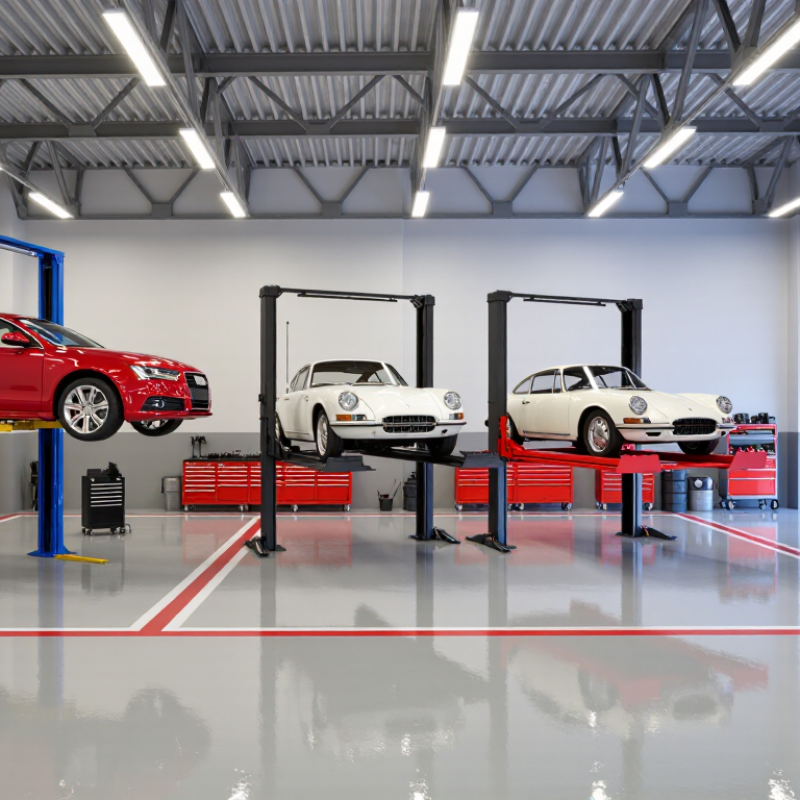
Top 10 Car Lift Types for Every Garage

Car Lift Basics: Purpose, Structure, and Operating Principles

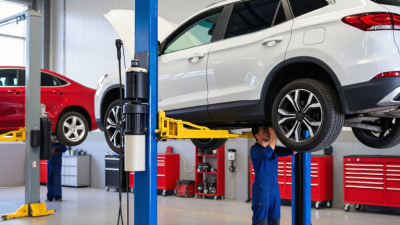
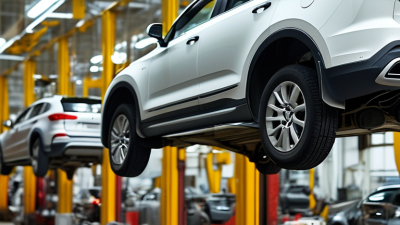
A car lift raises a vehicle to create working room beneath it. Its design determines how the vehicle is supported and how much garage space it needs. Two-post lifts use paired columns and adjustable arms that contact approved lifting points. Four-post models support the tires on long runways, while scissor lifts rise through linked metal platforms. Each structure suits different vehicles and tasks.

Most lifts use hydraulic pressure, electric motors, or a combination of both. In a hydraulic system, a pump moves fluid into cylinders, extending them and raising the platform or arms. Releasing pressure lowers the vehicle in a controlled way. Mechanical safety locks add a separate support point at set heights. Never treat hydraulic pressure alone as a dependable substitute for those locks.

Details matter. The vehicle must sit within the lift’s rated capacity, with its weight balanced according to the lift’s instructions. On a two-post model, arm placement and contact points are critical; a small positioning error can shift the load. The floor must also meet the installation requirements. A lift can look sturdy and still be poorly matched to a garage’s concrete or ceiling height. Check the operating manual, inspect cables and locks, and follow the specified lifting procedure. Pause if anything seems uncertain. That caution is easy to overlook.

Two-Post, Four-Post, and Single-Post Lifts

Two-post lifts leave the wheels hanging free, which makes tire, brake, and suspension work easier. Their arms need correct contact points on the vehicle frame, and the lift must match the vehicle’s weight and lifting-point layout. Clear access matters. A low ceiling or crowded bay can make positioning awkward. I would not choose one by capacity alone; reach and arm placement deserve equal attention.

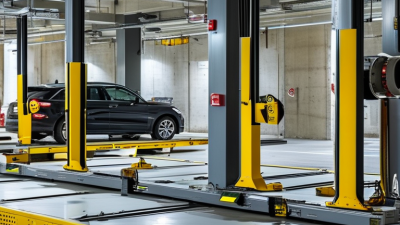
Four-post lifts support the tires on long runways. They feel practical for parking, inspections, and some service work, especially when a vehicle needs to remain level. Runway length and width should suit the vehicles you actually own. Optional rolling jacks can raise wheels, but they add equipment and cost. Check that the locks engage evenly, and follow the lift’s operating instructions every time.

Single-post lifts use one central column, so they can save floor space in a small garage. Their compact footprint is appealing, but access and vehicle compatibility may be more limited than with two- or four-post designs. A Scissor Lift Car Lift is another option to compare: it raises from beneath the vehicle, yet can restrict access to some underbody areas. Check the floor, ceiling, and rated capacity before buying. Small details get missed. A careful site check is worth the extra time.

Top 10 Car Lift Types for Every Garage — Two-Post, Four-Post, and Single-Post Lifts

Lift Type Typical Rated Capacity Best Suited For Space and Installation Key Consideration
Symmetric two-post lift 7,000–12,000 lb (3,175–5,443 kg) General repair work and access to wheels, brakes, and the underside of a vehicle Requires a suitable concrete floor, correctly positioned anchors, and adequate ceiling height for the vehicle and raised lift Vehicle doors may have limited opening space while the car is elevated between the posts.
Asymmetric two-post lift 7,000–12,000 lb (3,175–5,443 kg) Service work where improved door access is useful, especially on passenger cars Similar foundation and ceiling requirements to other two-post lifts; arm layout and vehicle positioning must follow the lift manual Correctly positioning the vehicle is essential to keep its center of gravity within the lift’s permitted range.
Four-post service lift 8,000–14,000 lb (3,629–6,350 kg) Routine servicing, vehicle storage, and work on vehicles that benefit from runway support Needs floor space for the runways and drive-on access; many models can be installed without anchoring, subject to manufacturer requirements Runways can restrict access to some wheels and underbody areas unless compatible jacks or accessories are used.
Four-post parking stacker 8,000–18,000 lb (3,629–8,165 kg) Storing one vehicle above another in a garage with sufficient overhead clearance Requires a level, load-bearing floor and enough height for both vehicles, the platform, and safe operating clearance Check the rated capacity of the platform and confirm that the lower parking space suits the intended vehicle.
Single-post mobile lift About 5,000–6,000 lb (2,268–2,722 kg) Occasional lifting, wheel service, or workshops that need a movable lift Usually has a smaller footprint than fixed lifts, but needs a firm, level surface and clear space for positioning Capacity and lifting height are generally more limited than those of full-size fixed lifts.
Portable two-post lift About 6,000–10,000 lb (2,722–4,536 kg) Garages needing a lift that can be moved or stored when not in use Needs a suitable flat surface, adequate power, and the manufacturer-specified setup and stabilization procedures Portability does not remove the need to verify vehicle compatibility, lift points, and safe operating conditions.
In-ground lift About 9,000–18,000 lb (4,082–8,165 kg) Professional service bays where a clear floor and unobstructed access are priorities Requires substantial floor preparation and below-floor installation; drainage, soil, and local site conditions may affect feasibility Installation and future maintenance can be more involved than with above-ground lifts.
Parallelogram lift About 12,000–30,000 lb (5,443–13,608 kg) Heavy-duty service applications and larger vehicles, depending on the model Typically needs a broad installation area and careful clearance planning because the platforms move through an arc Confirm the lift’s vehicle class, platform dimensions, and required operating clearances before installation.
Mid-rise scissor lift About 6,000–12,000 lb (2,722–5,443 kg) Wheel, tire, brake, and body work where moderate lifting height is sufficient Compact compared with many full-rise lifts; available designs may be surface-mounted or recessed into the floor The scissor mechanism can obstruct access to portions of the vehicle’s underside.
Low-rise scissor lift About 6,000–10,000 lb (2,722–4,536 kg) Quick tire, brake, and inspection work in compact garages or lower-ceiling spaces Low profile and relatively small footprint; requires a suitable floor and correct placement beneath approved lift points Its limited lifting height is not a substitute for a full-rise lift when extensive underbody access is needed.

Capacity figures are indicative ranges for common equipment classes, not specifications for a particular lift. Actual ratings, floor requirements, clearances, and vehicle compatibility vary by model; always follow the manufacturer’s instructions and applicable local safety requirements.

Scissor, Parallelogram, and Portable Car Lifts

Scissor, Parallelogram, and Portable Car Lifts

Scissor lifts suit garages where posts would crowd the work area. Their crossed arms raise a platform beneath the vehicle, but the platform can limit access to some underbody components. Parallelogram lifts also use drive-on platforms; as they rise, the platforms shift horizontally, so allow room around the lift. Neither design is automatically right for every bay. Check ceiling height, floor condition, vehicle lift points, and the lift’s rated capacity before choosing.

Portable lifts offer flexibility for shared or compact garages. Some raise a vehicle by its wheels; others use separate lifting units. Their convenience comes with setup work: the units must sit evenly on suitable flooring, and the vehicle must be positioned carefully. EPA’s 2023 Automotive Trends Report puts average new-vehicle weight at about 4,300 pounds for model year 2022. That is only an average. A heavy pickup or electric vehicle may demand a higher-capacity lift, and uneven loading can matter as much as total weight. Check actual vehicle specifications, not a quick guess.

For any type, follow the lift manufacturer’s operating instructions and use compatible lifting points. The Automotive Lift Institute stresses proper training and regular inspection. Small details count. A slight floor slope or a misplaced arm can change how the load is supported. Even experienced mechanics should pause when a vehicle’s weight or balance is uncertain.

In-Ground, Mobile-Column, Parking, and Alignment Lifts

Top 10 Car Lift Types for Every Garage

In-ground lifts keep the floor clear and suit busy service bays, but installation requires careful planning. Check pit depth, drainage, ceiling height, and the slab’s suitability with a qualified installer. Mobile-column lifts raise heavy vehicles at their wheels, making them useful for fleets and flexible work areas. They need level floors and enough room to position each column safely. Space matters.

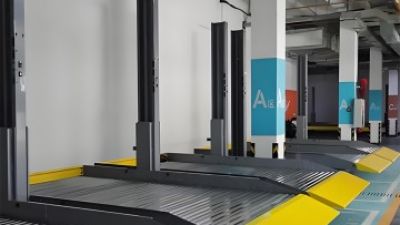
Parking lifts stack vehicles vertically, helping make better use of a compact garage. A Car Lift Car Park arrangement should account for vehicle height, access, and the space needed to enter or leave each bay. Alignment lifts have long runways, turn plates, and slip plates. Their level positioning supports accurate measurements, but calibration and routine checks matter.

Tips: Match lift capacity to the heaviest vehicle you expect to service, not just today’s car. Follow the manufacturer’s instructions for lift points, locking devices, and inspections. Keep tools and loose parts away from runways. A small clearance mistake can become a real problem. Even experienced operators should pause and recheck before raising a vehicle.

Top 10 Car Lift Types for Every Garage

Typical rated lifting capacity by lift type

Rated capacity varies by model and configuration. Mobile-column capacity is shown for a four-column set; all other figures are representative examples, not universal specifications. Always check a lift’s rating and installation requirements before use.

How Garage Space and Vehicle Needs Shape Lift Selection

Garage dimensions often decide which Car Lift makes sense before budget does. Measure ceiling height, door clearance, and usable floor width, including space for opening car doors. A two-post lift leaves the floor relatively open, but needs suitable slab conditions and careful vehicle positioning. It may feel cramped in a narrow garage.

A four-post lift supports the vehicle at its wheels and can suit storage or routine underbody access. Yet its longer runways need room for approach and parking. Scissor lifts have a smaller footprint, though some designs limit access beneath the car. Low ceilings can rule out taller equipment, even when the vehicle itself fits comfortably.

Vehicle details matter just as much. Check the lift’s rated capacity against the heaviest vehicle you expect to raise, including likely future purchases. Wheelbase, ground clearance, and lifting-point locations affect compatibility; a low sports car may need different clearance than a pickup. Small details count. A tape measure can miss a beam, sloped floor, or awkward post location. Confirm the garage floor’s suitability with a qualified installer, and follow the lift maker’s operating instructions. It is tempting to choose the most versatile option, but that choice can leave too little room for daily parking. The best fit is the one that works safely with your space and your actual vehicles.

Installation, Safe Operation, and Routine Maintenance

Choosing among two-post, four-post, scissor, or portable lifts starts with the garage floor. Check concrete thickness, condition, ceiling clearance, and vehicle weight before installation. Follow the lift manufacturer’s specifications, and have a qualified installer verify anchoring and alignment. A level floor matters. The U.S. Bureau of Labor Statistics recorded 5,283 fatal work injuries across all U.S. industries in 2023; this figure is not specific to vehicle lifts, but it underscores the value of disciplined safety procedures.

Before raising an Auto Lift Car setup, confirm each arm or runway contacts approved lifting points. Raise the vehicle a few inches, pause, and check stability before lifting higher. Keep people clear, use mechanical locks, and never rely on hydraulic pressure alone. Lower the lift fully before moving a vehicle. Small habits are easy to skip when the shop is busy; that deserves a second look. The Automotive Lift Institute recommends periodic professional inspection, with annual inspection as a practical baseline.

Tips: Inspect cables, hoses, locks, and pads regularly. Stop using the lift if you find cracks, leaks, unusual sounds, or uneven movement. Keep the service area clear, record maintenance, and arrange repairs through qualified personnel. Don’t improvise.

Commercial Lift Planning: A 2,000 kg Two-Post System Informed by OICA’s 2024 Production Statistics

OICA’s 2024 production statistics record approximately 92.5 million motor vehicles produced worldwide, underscoring the scale and diversity of today’s vehicle fleet. For commercial lift planning, a 2,000 kg vehicle can serve as a useful reference point, but the vehicle’s actual weight and the system’s rated capacity should guide selection. The International Energy Agency’s *Global EV Outlook 2025* also reports that electric car sales exceeded 17 million in 2024, highlighting the need to check each vehicle’s specifications rather than assume all sedans or SUVs weigh alike.

A two-post, dual-level parking system holds two vehicles, with independent access to the lower space; reaching the upper space requires moving the lower vehicle first. The system offers a maximum lifting height of 2,100 mm and three capacity options—2,700 kg, 2,300 kg and 3,200 kg—so project planners can match the selected model to the vehicle’s rated weight. It accommodates SUVs and sedans, while structural dimensions can be customized to site requirements. Before installation, confirm vehicle height, weight and clearance alongside the chosen model’s capacity and lift height.

FAQS

What does a car lift do?

It raises a vehicle and creates working space beneath it. The lift’s structure determines how it supports the vehicle.

How do two-post and four-post lifts differ?

Two-post lifts hold the vehicle with adjustable arms at approved lifting points. Four-post lifts support its tires on long runways. Not the same access.

What should I check before choosing a lift?

Compare the rated capacity, vehicle dimensions, lifting points, and garage space. Check ceiling clearance and the concrete floor, too. Capacity alone is not enough.

How does a hydraulic lift raise and lower a vehicle?

A pump moves fluid into cylinders to raise the arms or platform. Releasing pressure lowers the lift in a controlled way. Locks still matter.

Why are mechanical safety locks important?

They provide a separate support point at set heights. Never rely on hydraulic pressure alone. I used to overlook that detail.

How can I check that a vehicle is positioned safely?

Confirm each arm or runway contacts the approved points. Raise the vehicle a few inches, pause, and check stability before lifting higher.

What should I inspect during routine maintenance?

Check cables, hoses, locks, and pads regularly. Stop using the lift if you find cracks, leaks, unusual sounds, or uneven movement. Don’t improvise.

When should a lift be professionally inspected?

Arrange periodic inspection by qualified professionals; annual inspection is a practical baseline. Keep service records. Busy days make shortcuts tempting. That deserves reflection.

Conclusion

A Car Lift is designed to raise vehicles for repair, inspection, storage, or alignment. Its main components support the vehicle and transfer lifting force through hydraulic, mechanical, or other operating systems. Common designs include two-post, four-post, and single-post lifts, each offering a different balance of access, stability, and space use. Scissor, parallelogram, and portable models provide additional options for garages with specific service needs or limited room.

In-ground and mobile-column lifts suit particular workshop layouts, while parking and alignment lifts address vehicle storage and precision servicing. Choosing the right type depends on available floor and ceiling space, vehicle size and weight, and the work being performed. Proper installation, careful operation, and routine maintenance are essential for dependable use. Before lifting a vehicle, operators should check that it is positioned correctly, the lift’s capacity is suitable, and safety features are working as intended.
Liam

Liam

Liam is a dedicated marketing professional based in Jiading District, Shanghai, who plays a pivotal role in promoting the company's innovative mechanical parking systems. With a deep understanding of the industry, he consistently updates the company's professional blog, sharing insights on......
Previous Top 10 Parking Lot Robots for Global Buyers