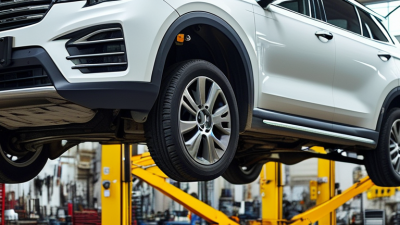
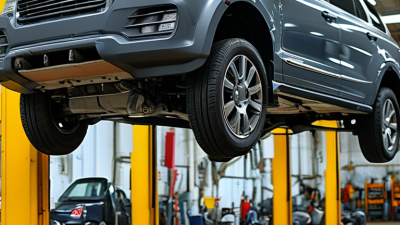
Getting a car lift can seriously change the way you handle vehicle maintenance—it's a game changer! I mean, recent industry stats show that about 30% of auto repair shops say their workflow gets a lot better with the right lift in place. Many pros even swear by a solid Auto Lift Car Lift that’s up to safety standards. But honestly, picking the perfect one? That’s not always a walk in the park.
You’ve gotta think through a bunch of things. Like, the weight capacity? Super important. Using a lift that’s not strong enough can honestly be dangerous. And don’t forget about installation and ongoing maintenance costs—they can quickly add up beyond what you paid initially. Studies show that around 40% of folks regret not doing their homework before buying, so it’s worth taking some time to research everything.
Another thing is finding a supplier you can trust. It’s easy to get swayed by brands bragging about how great they are, but not all of them really deliver. Checking out reviews and third-party certifications can give you a clearer picture of what you’re really getting. When you understand these key points, making an informed decision becomes a lot easier—saving you from some common headaches down the road.
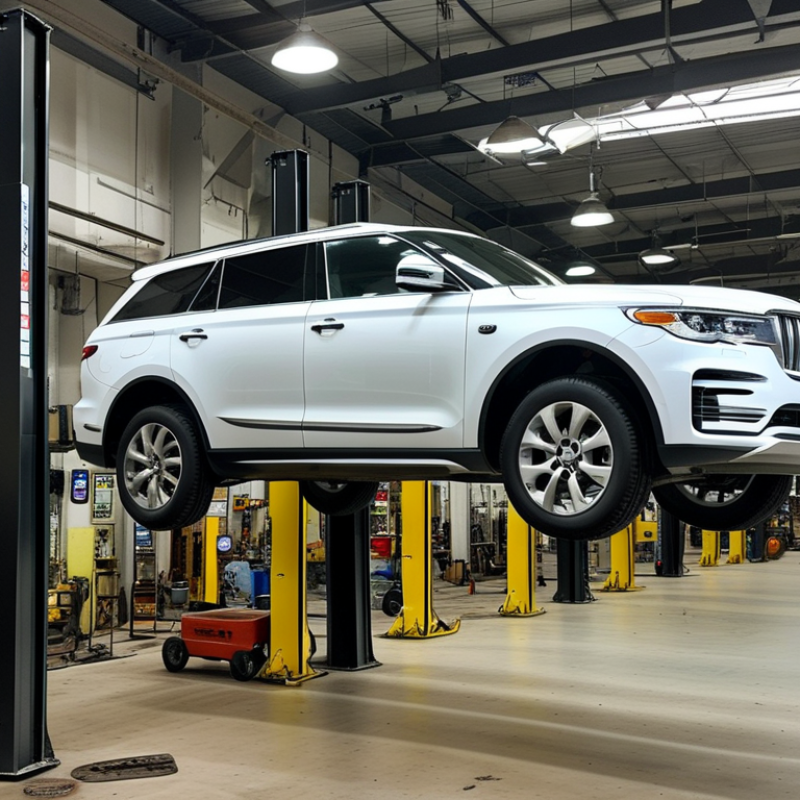
Essential Features to Consider When Buying a Car Lift
When buying a car lift, essential features require careful consideration. One critical aspect is the lift's weight capacity. Reports suggest that 70% of car service facilities face challenges due to inadequate lifting capacity. Always check that the lift can handle the weight of the vehicles in your garage. Overloading a lift can lead to accidents and costly repairs.
Safety features are also paramount. A reliable car lift should include automatic safety locks and a sturdy base. Data indicates that around 15% of car lift accidents stem from improper use or lifting mechanisms failure. The right Scissor Lift Car Lift offers a stable platform, reducing potential hazards when working under vehicles.
Another consideration is the lift's footprint. Many users underestimate the space a lift occupies. Look for a model that balances compactness and operational efficiency. Space constraints can limit your options, leading to frustration. Reflecting on these factors helps ensure a wise purchase.
Top 10 Car Lift Tips Every Buyer Should Know
| Tip |
Description |
Essential Features |
Considerations |
| 1. Determine Lift Capacity |
Assess the weight of the vehicles you intend to lift. |
Adequate weight rating |
Overloading can lead to safety hazards. |
| 2. Choose the Right Type |
Consider whether you need a two-post, four-post, or scissor lift. |
Type of lift |
Each type serves different purposes. |
| 3. Check Space Requirements |
Ensure you have enough ceiling height and floor space for installation. |
Footprint dimensions |
Measure before purchasing. |
| 4. Consider Power Source |
Check if the lift runs on electricity or hydraulic power. |
Power requirements |
Ensure compatibility with your garage setup. |
| 5. Safety Features |
Look for features like automatic locks and safety straps. |
Safety mechanisms |
Safety should be a top priority. |
| 6. Portability |
Some lifts are designed to be movable or portable. |
Mobility features |
Ideal for limited spaces. |
| 7. Maintenance Needs |
Understand the upkeep required to maintain the lift. |
Service requirements |
Regular maintenance promotes longevity. |
| 8. Warranty and Support |
Check the warranty period and customer support options. |
Warranty length |
Good support can save future hassle. |
| 9. Price Consideration |
Compare various models to find one within your budget. |
Cost-effectiveness |
Balance quality and price. |
| 10. User Reviews |
Read reviews to gauge reliability and performance. |
User feedback |
Learn from others' experiences. |
Understanding the Different Types of Car Lifts Available
When considering a car lift, understanding the available types can significantly impact your decision. There are primarily two categories: hydraulic lifts and pneumatic lifts. Hydraulic lifts utilize fluid pressure to lift vehicles, while pneumatic lifts rely on air pressure. According to a report by Automotive Lift Institute, hydraulic lifts tend to offer greater lifting capacity and stability, making them ideal for heavier vehicles. Conversely, pneumatic lifts provide a quicker setup, suitable for small shops.
Car lifts vary in design and function. Two-post lifts are commonly used in commercial garages due to their cost-effectiveness. They provide excellent access underneath vehicles for maintenance, but they require solid anchoring and a proper ceiling height. In contrast, four-post lifts offer increased stability and can double as a car park for additional storage, particularly valuable in spaces where real estate is limited.
It's crucial to consider both your space and needs. While some may prefer the speed of a pneumatic lift, others might focus on the reliability of hydraulic systems. A survey by the National Institute for Automotive Service Excellence found that 70% of automotive professionals prioritize lift stability and safety features when making their selection. As you explore options, reflect on how you plan to use the Car Lift Car Park and balance it against your budget and space constraints.
Evaluating Weight Capacity and Its Importance for Your Needs
When evaluating car lifts, weight capacity stands as a critical factor. This number dictates what vehicles you can safely lift. According to industry standards, most standard car lifts handle between 6,000 to 12,000 pounds. Choosing a lift within this range often seems adequate for average cars and SUVs. However, if you frequently service heavier vehicles, such as trucks or specialized equipment, you may need a lift with a higher capacity.
Consider your repairs and maintenance needs. A lift that is too weak can lead to safety hazards. A report by the Automotive Lift Institute states that improper lifting can result in accidents, causing injuries and damage. Every vehicle has a different weight distribution. This affects how a car sits on a lift. Understanding your vehicle’s weight and dimensions can help prevent mishaps. The right lift should comfortably accommodate your heaviest vehicles, while still providing a margin for safety.
It's also important to consider future needs. As your business grows, vehicle choices might change. Selecting a lift that meets current demands, along with projected needs, ensures lasting value. The average lifespan of a car lift is around 10 to 15 years, making this decision crucial. Always assess your long-term requirements before making a purchase. Being cautious can save you from costly mistakes down the line.
Safety Features Every Car Lift Should Have
When considering a Car Lift, safety features are paramount. Every buyer should ensure that the lift has robust locking mechanisms. Reports indicate that around 22% of vehicle accidents in garages involve lift failures. These incidents can lead to severe injuries or even fatalities. Therefore, a reliable locking system is essential for secure vehicle support.
Additionally, look for features like emergency stop buttons and automatic shut-off systems. According to industry experts, lifts with these features reduce the risk of accidents by up to 30%. It's crucial that these functionalities are easy to access and operate under stress. Regular maintenance checks should also be prioritized, as neglecting this aspect can degrade safety performance over time.
Finally, consider the weight capacity of the Car Lift. It is vital that the lift can safely support the weight of the vehicles you intend to work with. Overloading can lead to mechanical failure. A thorough understanding of your needs can prevent costly mistakes and ensure a safe working environment. Remember, investing in a Car Lift goes beyond just price; it's about long-term safety and reliability.
Installation Considerations for Your New Car Lift
When considering the installation of a new car lift, attention to detail is crucial. A well-planned installation can enhance safety and efficiency. According to industry data, approximately 30% of car lift malfunctions stem from improper installation. This statistic underscores the importance of adhering to manufacturer guidelines. Reviewing these guidelines thoroughly is essential before starting the installation process.
Space management is another key consideration. The area should provide enough room for the lift, vehicles, and safe maneuvering. A cramped space can lead to accidents. In fact, studies indicate that 15% of workplace injuries in automotive settings result from inadequate space. It is wise to measure the dimensions of both your lift and available space to ensure a proper fit.
Finally, consider the electrical requirements for your new lift. Many types require specific wiring or voltage setups. Failing to account for this can lead to costly delays or even safety hazards. An estimated 20% of installation issues relate to electrical miscalculations. Consulting a licensed electrician may save time and provide more peace of mind during the installation process. This emphasizes the balance between DIY efforts and professional expertise.
Budgeting and Cost Factors for Car Lift Purchases
When budgeting for a car lift, it's essential to consider several cost factors. The initial purchase price varies significantly by type and capacity. Hydraulic lifts typically cost more than mechanical models. A good understanding of your specific needs can help narrow down the options.
Installation costs are another important factor. Professional setup can add hundreds to thousands to the total expense. Some might attempt a DIY installation, but this can lead to mistakes that are costly in the long run. Unexpected expenses can arise, such as electrical work or modifying the garage space.
Additionally, don’t forget to factor in maintenance costs. Regular checks and service can prevent more significant issues later on. Investing time in researching reliable service providers can save money over time. As you plan, be mindful of the balance between quality and cost. A lower upfront cost might lead to higher maintenance or replacement expenses. Think carefully about long-term value rather than just the immediate price tag.
Maintenance Tips to Extend the Life of Your Car Lift
Proper maintenance of an Auto Lift Car is crucial for longevity and performance. Regular inspections can prevent major issues. According to industry standards, lifting mechanisms should be checked every six months. Look for signs of wear on cables and hydraulic systems. Replace any parts that show significant wear to avoid accidents.
Clean the lift regularly to prevent debris buildup. Dust and grime can affect the functionality and safety of your Auto Lift Car. It’s recommended to use non-corrosive cleaners. 70% of lift failures relate to dirt accumulation and lack of lubrication. Ensure lubrication of moving parts every quarter. This helps prevent rust and increases efficiency.
Train staff on proper usage. A lack of operational knowledge can lead to misuse. Studies show that an informed operator reduces accidents by 40%. Educate team members about weight limits and safety protocols. Ignoring these guidelines can lead to costly repairs and safety violations. Regular maintenance not only extends the life of your Auto Lift Car but also secures the safety of your team.
FAQS
: Weight capacity determines which vehicles can be safely lifted. It is a crucial factor to consider.
Most standard car lifts handle between 6,000 to 12,000 pounds. This range suits most average cars and SUVs.
A weak lift can lead to safety hazards, including accidents and injuries. Proper weight capacity is essential for safety.
Different vehicles have unique weight distributions. Understanding this helps prevent mishaps when using a lift.
The average lifespan of a car lift is around 10 to 15 years. This makes careful selection important.
Regular inspections every six months and cleaning are crucial. Dirt and lack of lubrication cause many lift failures.
Proper training reduces accidents significantly. Informed operators can minimize misuse and enhance safety measures.
It's advisable to lubricate moving parts every quarter. This helps prevent rust and maintain efficiency.
Replace worn parts immediately to avoid potential accidents. Regular maintenance is key to safety and longevity.
Selecting a lift that meets current and future needs ensures lasting value and prevents costly mistakes later on.
Conclusion
When considering the purchase of a car lift, several essential features must be taken into account to ensure you make an informed decision. Understanding the different types of car lifts available is crucial, as each variant serves specific needs. Evaluating the weight capacity of the lift is equally important, as it must meet your vehicle's requirements safely. Additionally, prioritizing safety features can help prevent accidents during operation.
Installation considerations are vital for ensuring the lift functions optimally in your workspace. Budgeting is another critical factor, as prices can vary significantly based on features and specifications. Finally, adopting regular maintenance practices can extend the life of your car lift, ensuring it remains a reliable tool for your automotive needs. By considering these tips, buyers can confidently choose the right car lift that meets their requirements.