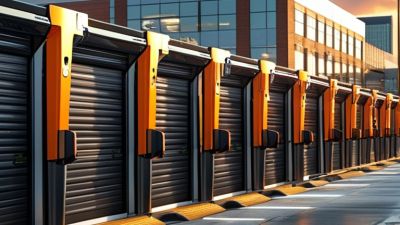
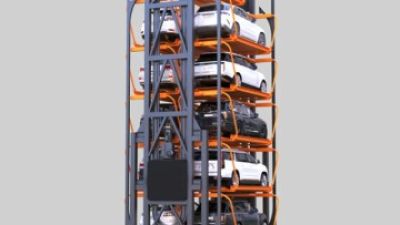
You know, with cities getting more crowded all the time, there's a real buzz around finding smarter ways to park. Classic parking methods just don’t cut it anymore—they're kind of struggling to keep up. That's why more folks are turning to Automated Parking Machines (APMs). Honestly, they're starting to become a game-changer for city planners and businesses trying to manage limited space. If you ask the experts at the International Parking Institute, they say the global market for these systems could hit around $30 billion by 2027—that’s some serious growth, huh? It really shows how everyone’s pushing for smoother, more efficient parking solutions.
Now, these automated machines come with quite a few perks—like making better use of tight spaces and cutting down the time it takes to find a parking spot. Sounds great, right? But here’s the thing: not all APMs are the same. Pricing, technology, and how well they actually work can differ a lot. Big names like Skidata and ParkPlus are out there, offering some pretty innovative options. Still, their effectiveness really depends on where you’re using them.
If you're on the market for one of these, I’d say it’s super important to figure out what actually fits your specific needs. What’s perfect for a busy downtown area might not be the best option for a suburban mall. As this tech keeps evolving, staying flexible and keeping an eye on what’s out there will be key. Basically, understanding the pros and cons of different systems is the best way to make a smart choice and avoid surprises down the line.
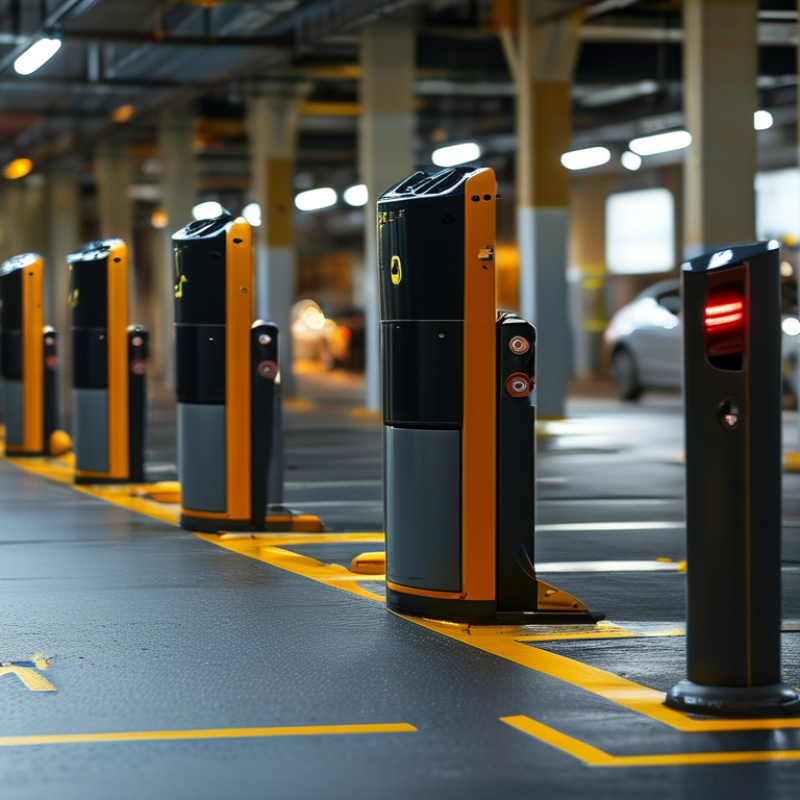
Overview of Automated Parking Machines and Their Importance
Automated Parking Machines represent a revolutionary advancement in urban transportation solutions. These machines increase parking efficiency, reduce space usage, and help mitigate congestion in busy areas. They function through innovative technology that allows vehicles to park without human assistance, often minimizing the parking footprint significantly. Such systems are becoming vital in cities with limited parking resources.
The effectiveness of parking machines lies in their ability to optimize space. By using vertical or compact parking designs, they can accommodate more vehicles than traditional lots. These machines can often be integrated with smart city technology, analyzing real-time data for improved user experience. However, the initial investment can be high, making it a challenging decision for some buyers. Not all systems are created equal; some may lack essential features, requiring thorough research before implementation.
While the benefits are clear, there are challenges too. For example, users may face a learning curve when adapting to automated systems. Maintenance and repairs can also be more complex than with standard parking methods. Ensuring robust software security is crucial to prevent system failures or data breaches. With thoughtful planning and execution, parking machines can greatly enhance urban mobility and sustainability.
Key Features to Consider in Automated Parking Solutions
When selecting automated parking solutions, key features significantly influence your choice. One of the most critical aspects is the system's efficiency in space utilization. Many advanced systems can manage more vehicles in less area, optimizing the parking layout. Technology also plays a crucial role here, with sensors and automation streamlining the process.
User experience is equally important. Systems need to be intuitive. A complicated interface can deter users. Clear instructions and accessible customer support enhance satisfaction. Safety measures, like surveillance cameras and emergency call buttons, should be standard. These features provide peace of mind for users, ensuring a secure environment.
Maintenance and support should not be overlooked. Regular upkeep is essential for seamless operation. Consider systems that offer remote monitoring and quick response to issues. Some solutions may require significant downtime for repairs. This can disrupt service and diminish reliability. Researching feedback from existing users can reveal strengths and weaknesses in this area.
Top 5 Automated Parking Machines: An In-Depth Comparison
Automated parking machines (APMs) are gaining traction in urban environments. These systems optimize space and enhance efficiency. According to recent industry reports, the global automated parking market is expected to reach $3.4 billion by 2030, with an annual growth rate of over 20%. This surge reflects a shift towards smarter infrastructure.
Among various solutions, some key features stand out. Integration with existing urban infrastructure is crucial. Many buyers prefer systems that can easily adapt to local needs. A notable trend is the focus on user-friendliness. Reports indicate that almost 75% of users prioritize easy navigation in these systems.
However, challenges remain. Maintenance costs can be a significant concern, impacting overall efficiency. Some systems face criticism for reliability issues, emphasizing the need for continuous improvement. Not all APMs are created equal; varied performance levels reflect on user experiences. A deeper analysis is necessary to identify the best fit for specific environments, making informed choices essential for stakeholders.
Benefits of Automated Parking Systems for Global Buyers
Automated parking systems offer significant benefits for global buyers. They optimize space usage, allowing more vehicles in tighter areas. This efficiency translates to revenue generation, especially in urban locations where space is at a premium. Another notable advantage is the reduction of labor costs. With less need for personnel, businesses can allocate resources elsewhere.
Tips: Consider choosing a solution that fits your layout. Each parking machine has unique specifications. Evaluate your project’s parking demand and size. This assessment helps ensure the system’s effectiveness.
Furthermore, automated systems enhance user experience. They provide a seamless process for parkers, reducing congestion and wait times. These machines can often accommodate various vehicle types, making them versatile options. However, long-term maintenance and technology upgrades must be considered. Relying solely on automation might lead to unforeseen issues without proper oversight.
Tips: Plan for regular maintenance schedules. This prevents unexpected downtime. Stay informed about advancements in Car Parking Machine technology to meet future demands. Adapting to changes in technology is crucial for sustained performance.
Factors Influencing the Selection of an Automated Parking Solution
When selecting an automated parking solution, several factors weigh heavily. First, the efficiency of space utilization is paramount; some reports indicate that automated systems can increase parking capacity by up to 60%. This is critical, especially in urban areas where every square foot counts. A well-designed Car Lifting Machine maximizes vertical space, allowing for a higher number of vehicles to be parked in a smaller footprint.
Another significant factor is the cost of implementation and maintenance. Industry data suggests that while upfront costs for automated systems might be high, operational costs may decrease by 25% over time due to reduced labor and improved vehicle turnover rates. However, potential buyers should consider their long-term budget, focusing on both installation and ongoing expenses. Not all solutions deliver the same ROI, and understanding this can guide better investment choices.
Safety and user experience are also essential. Research reveals that automated systems tend to have lower accident rates compared to traditional parking methods. Yet, potential users may find navigation through automated systems challenging initially. Adequate training or informative signage may be necessary to address apprehensions. Recognizing these variables can lead to a more informed selection process, ensuring buyers choose a solution that meets their specific needs while optimizing both safety and efficiency.
Case Studies: Successful Implementations of Automated Parking Machines
Automated Parking systems are transforming urban spaces. Case studies reveal successful implementations worldwide, showcasing increased efficiency and maximized space utilization. A report by the International Parking Institute highlights that automated parking saves about 30% of space compared to traditional methods. In densely populated areas, this can lead to significant urban renewal.
Some cities have seen a significant reduction in traffic congestion due to automated parking. For example, a project in San Francisco resulted in a 40% decrease in vehicles searching for parking. This not only eases traffic flow but also greatly reduces emissions. However, implementation does come with challenges. Cities must evaluate infrastructure needs and costs thoroughly. Additionally, some users report difficulties adapting to new systems.
Tips: Ensure that user interfaces are intuitive. Provide clear signage and support. Regular user feedback can help improve these systems.
Overall, the advantages of automated parking systems are compelling. Yet, stakeholders should consider local contexts and potential roadblocks in the planning stages. Reflecting on the user experience is crucial to ensure adoption and satisfaction in the long run.
Future Trends in Automated Parking Technology and Solutions
The landscape of automated parking technology is rapidly evolving. Recent studies show that the automated parking systems market is projected to reach $70 billion by 2030, growing at a compound annual growth rate (CAGR) of around 12%. This growth is driven by urbanization and increasing vehicle ownership. Automated parking solutions maximize space utilization, potentially increasing parking capacity by 60%.
Despite these advancements, challenges remain. High initial installation costs can deter adoption. Also, integration with existing structures can be complex. As cities adapt, assessing local needs is crucial. Innovation in flexible designs can help address unique urban landscapes. Industry leaders emphasize the need for ongoing assessments to enhance efficiency.
**Tip:** When considering an automated parking solution, evaluate the long-term benefits against initial costs. That balance can lead to better decisions.
Future trends indicate a shift towards smart technologies, with IoT integration improving user experience. Data analytics will play a key role. They can optimize traffic flow and enhance safety measures within parking facilities. Adapting to these trends can further elevate operational efficiency while meeting user expectations.
**Tip:** Stay informed about evolving technologies. Regularly review reports to gauge the market's direction and make timely adjustments.
Top 5 Automated Parking Machine Solutions Overview
This chart illustrates key performance indicators for automated parking machine solutions commonly considered by global buyers. The metrics include Space Efficiency, User Satisfaction, Return on Investment, Maintenance Costs, and Installation Time, providing a comprehensive overview of the benefits and challenges related to automated parking technologies.
Efficient Vehicle Garage Solutions: Exploring the Benefits of High Capacity Motor Drive Rotary Car Parking Systems
The demand for efficient parking solutions has grown significantly, especially in urban areas where space is often limited. High Capacity Motor Drive Rotary Car Parking Systems have emerged as a game-changer in addressing these challenges. These systems not only maximize space utilization but also enhance the overall vehicle retrieval experience, crucial for high-traffic locations such as shopping centers and hospitals. According to recent industry reports, these advanced parking solutions can reduce vehicle retrieval times by up to 60%, making them a vital addition to environments where time efficiency is key.
The vertical rotating parking system stands out for its robust design, compact footprint of just 7 x 5.8 meters, and an impressive load capacity of 2,350 kg. This system is equipped with a powerful motor ranging from 15 to 22 kW, which enables it to handle a variety of vehicle types commonly found in urban settings. As per studies from the International Parking Institute, integrating such systems can lead to a 20-30% increase in parking space efficiency, significantly addressing the issue of parking congestion faced by commercial spaces.
With reliability certified by rigorous quality standards, these systems promise smooth operations and a seamless parking experience. Customizable to cater to specific project needs, they emerge as a practical solution for commercial operations constrained by land resources. As cities continue to expand, the adoption of Rotary Car Parking Systems represents a strategic move toward sustainable urban development and improved mobility.
FAQS
: Efficiency in space utilization is crucial. The system should optimize the parking layout.
An intuitive interface is essential. Complicated systems can deter users, reducing satisfaction.
Safety measures like surveillance cameras and emergency call buttons should be standard to ensure security.
Regular upkeep ensures smooth operation. Neglected systems may require extensive repairs, causing service disruptions.
They minimize the need for personnel, allowing businesses to allocate resources elsewhere. This can enhance profitability.
Yes, many systems are designed to handle various vehicle sizes, enhancing their versatility.
Relying only on automation may lead to unforeseen issues. Proper oversight and maintenance are necessary.
Evaluate your project’s parking demand and layout before selecting a system. This helps in making informed choices.
While upfront costs may be high, operational costs often decrease over time. Evaluate both installation and ongoing expenses.
Provide adequate training and clear signage. This can ease apprehensions and improve user experience initially.
Conclusion
Automated Parking Machines have become increasingly important as urbanization continues to challenge conventional parking solutions. These systems offer numerous benefits, including maximizing space efficiency, reducing the time spent searching for parking, and enhancing security. When considering an automated parking solution, buyers should focus on key features such as capacity, compatibility with existing infrastructure, and ease of use.
In-depth comparisons of the top automated parking machines reveal significant differences in technology, installation costs, and user experience. Factors influencing the selection of an automated parking solution include the specific needs of the location, potential return on investment, and case studies showcasing successful implementations. As the technology progresses, future trends indicate a shift towards even more advanced, user-friendly, and environmentally sustainable automated parking systems, making them an attractive option for global buyers.