Leave Your Message
0%

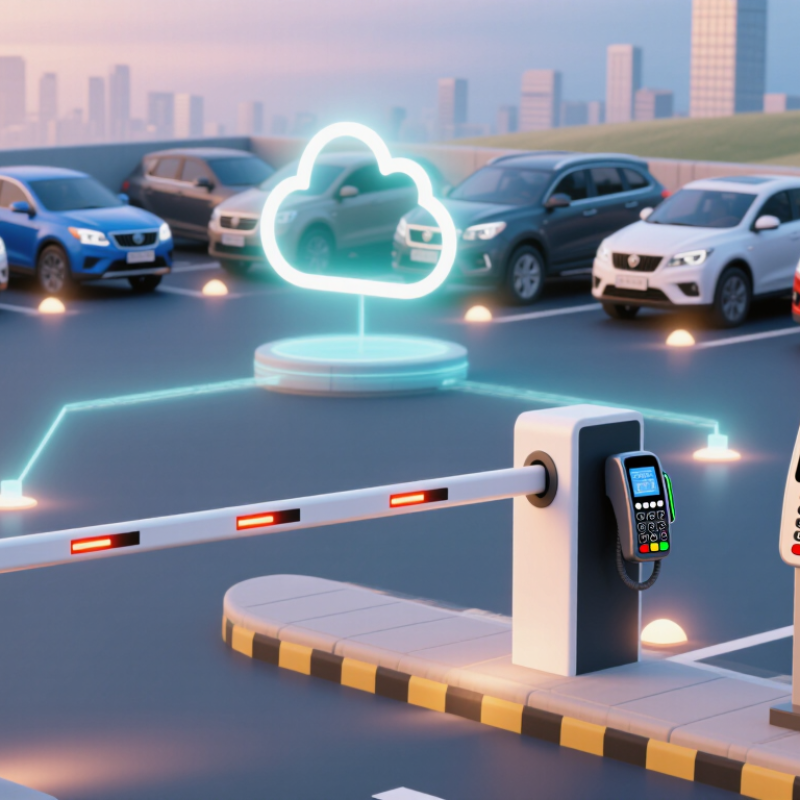
Parking equipment? Yeah, it’s getting a lot more connected, automated, and driven by data. These days, buyers around the world pretty much expect reliable gates, ticketing systems, license plate recognition, and payment options that don’t feel like a hassle.

Grand View Research keeps pointing to growth in the global smart parking market, and it makes sense—urbanization, connected vehicles, and digital payments are all pushing things forward. MarketsandMarkets also calls out cloud platforms, sensors, and real-time occupancy data as big forces in the market. So picking equipment isn’t just about price anymore. You’ve got to think about the whole lifecycle.

This guide, “10 Best Parking Equipment Suppliers for Global Buyers,” looks at some established names like SKIDATA, Amano McGann, FAAC, HUB Parking Technology, and TIBA Parking. It compares things like product range, integration, installation support, maintenance networks, cybersecurity, and how well they adapt by region. Those details really matter when a barrier is sitting outside every day, dealing with heavy traffic and whatever the weather throws at it.

Reliability comes first. Honestly, it has to.

Parking expert Donald Shoup once wrote, “Free parking is not free.” That still lands, because equipment choices affect land use, operating costs, traffic flow, and the user experience. A cheap system can turn into an expensive service headache later. That’s a risk worth paying attention to.

That said, no single supplier is perfect for every site. Airport parking, hospitals, shopping centers, and municipal garages all need different things. Some buyers also overlook local payment habits and technical support needs. So treat this overview as a practical starting point, not the final word. Before buying, verify supplier claims with demos, references, warranty terms, and a total-cost analysis.
10 Best Parking Equipment Suppliers for Global Buyers

What Defines a Reliable Global Parking Equipment Supplier

What Defines a Reliable Global Parking Equipment Supplier

A reliable global parking equipment supplier delivers more than barriers, gates, or payment terminals. It provides tested systems, clear manuals, and responsive technical support. Grand View Research estimates that the smart parking systems market will expand strongly through 2030. That growth increases buyer risk. Suppliers may promise integration, yet overlook local voltage, weather, language, or accessibility requirements. Ask for installation records from climates similar to yours. Request test results for sensors, ticket machines, access readers, and Garage Lifting Equipment. Real experience matters more than polished brochures.

Reliability also depends on measurable service. The International Energy Agency reported that global electric car sales exceeded 17 million in 2024. Parking facilities now need charging coordination, accurate occupancy data, and safer traffic flows. A dependable supplier should explain software updates, cybersecurity controls, spare-part availability, and response times. ISO 9001 certification can support quality management, but it does not replace site references or practical demonstrations. No supplier performs perfectly. Buyers should examine failure reports, not only success stories.

Tips: Compare total ownership costs over five years. Test equipment with real vehicles and peak-hour queues. Confirm warranty coverage, training, maintenance tools, and local service partners. Ask who answers at 2 a.m. after a barrier fails. Leave unclear answers in writing.

Key Criteria for Comparing Parking Equipment Manufacturers

When comparing parking equipment manufacturers, begin with evidence, not polished catalogs. Ask for load tests, installation records, and maintenance data from comparable sites. A reliable supplier should explain how its Hydraulic Lifting Equipment performs under repeated daily cycles. Request photographs of welds, control cabinets, drainage points, and emergency lowering systems. Small details matter.

Technical fit deserves close attention. Check rated load, platform dimensions, lifting speed, noise levels, and power requirements. Confirm whether the equipment suits local weather, floor conditions, and vehicle sizes. Ask how sensors are calibrated and how failures are recorded. Manufacturers with documented quality procedures can provide traceable serial numbers, inspection reports, and clear acceptance tests. Independent certifications help, but certificates alone are not enough. I would still inspect a working installation when possible.

Service capacity often separates a dependable manufacturer from a cheap one. Compare response times, spare-part availability, training, warranty exclusions, and remote support. A strong proposal names replacement intervals instead of promising “low maintenance.” Check whether technicians can reach your site within a practical window. Some suppliers look impressive during bidding, then become difficult after delivery. That risk deserves direct questions. My comparison process is not perfect; price and technical scores can hide user experience. Speak with operators who use the system at 6 a.m., not only managers who approved it.

10 Best Parking Equipment Suppliers for Global Buyers - Key Criteria for Comparing Parking Equipment Manufacturers

Rank Anonymous Supplier Profile Core Product Coverage Typical Project Scale Customization Potential Compliance Evidence to Request Integration Capability Export Readiness After-Sales Support Best Fit for Global Buyers
1 Profile A — Integrated Parking Systems Manufacturer Access control, ticketing, barriers, payment terminals, parking guidance and software Multi-site and high-volume facilities High Applicable electrical safety, electromagnetic compatibility and radio-equipment documentation API, QR, RFID, ANPR and payment integration Strong Remote diagnostics, spare parts and technician training Airports, hospitals and commercial complexes
2 Profile B — Automated Parking Equipment Specialist Parking gates, automated payment, vehicle detection and parking management software Medium to large facilities High Product test reports, ingress-protection ratings and local installation approvals Mobile payment, license-plate recognition and occupancy sensors Strong Commissioning support and software updates Smart-city and urban parking projects
3 Profile C — Barrier and Access Control Producer Automatic barriers, bollards, vehicle loops, access readers and safety accessories Single sites and distributed locations Medium to high Cycle testing, safety-edge specifications and environmental ratings Wiegand, TCP/IP, relay and access-control interfaces Strong Replacement parts and troubleshooting manuals Office parks, residential compounds and factories
4 Profile D — Parking Payment Technology Supplier Pay-on-foot machines, pay-on-exit terminals, validators and cashless payment modules Medium to high-traffic car parks Medium Payment-security documentation, local payment approvals and accessibility specifications Contactless, QR, card, cash and mobile-wallet options Medium to strong Payment configuration and help-desk support Retail centers, stations and public parking
5 Profile E — License-Plate Recognition Specialist ANPR cameras, edge processors, barriers, access software and vehicle monitoring Small to multi-site deployments High Camera performance data, data-protection controls and cybersecurity documentation REST API, whitelist, blacklist and visitor-management integration Strong Cloud or on-premise support and firmware maintenance Business parks, gated communities and logistics sites
6 Profile F — Parking Guidance and Sensor Supplier Space sensors, LED indicators, wayfinding displays and occupancy-management software Indoor garages and large outdoor lots High Sensor accuracy data, wireless specifications and environmental test reports Wireless gateways, dashboards and third-party APIs Medium to strong Layout planning, calibration and remote monitoring Shopping malls and multi-level garages
7 Profile G — Mechanical Parking Equipment Manufacturer Stackers, lifts, puzzle systems, turntables and automated parking structures Residential and commercial developments High Structural calculations, load ratings, machinery safety and local building approvals Basic access control and building-management interfaces Medium Installation supervision and preventive-maintenance plans Space-constrained urban projects
8 Profile H — Cloud Parking Management Provider Cloud platform, permits, reservations, enforcement tools and revenue reporting Multi-location operations High Privacy policy, data-processing terms, access controls and system-availability records Open APIs, webhooks, SSO and payment gateways Strong 24/7 monitoring, online training and software support Operators managing several locations
9 Profile I — Entry-Level Parking Hardware Exporter Basic barriers, ticket dispensers, card readers, counters and parking accessories Small and medium installations Medium Product specifications, factory test records and destination-country conformity documents Relay, serial and basic TCP/IP interfaces Medium Email support and standard spare-parts supply Budget-sensitive projects and pilot sites
10 Profile J — Parking Accessories and Infrastructure Supplier Wheel stops, bollards, mirrors, signage, guardrails and traffic-management products Small to large construction projects Medium Material specifications, impact ratings, corrosion protection and installation standards Limited; mainly compatible with external systems Strong Product guidance and replacement supply Construction contractors and retrofit projects
Buyer evaluation note: Before placing an international order, verify current certifications, country-specific conformity requirements, warranty terms, spare-parts availability, cybersecurity controls, payment compliance, installation responsibilities, total landed cost and references for projects with comparable traffic volumes.

Top Parking Equipment Suppliers for International Buyers

International buyers need more than low equipment prices. The top parking equipment suppliers combine tested hardware, clear documentation, and responsive support across borders. Their product ranges may include barrier gates, ticket dispensers, payment terminals, license plate cameras, and space guidance displays. A reliable supplier explains operating temperatures, ingress ratings, queue capacity, and replacement-part availability before quoting. That detail matters at a busy airport or hospital entrance. Small omissions become expensive delays.

Strong suppliers show practical experience through site surveys, traffic-flow drawings, and commissioning records. They can adapt equipment to a multi-level garage, outdoor lot, or compact residential facility. Ask for sample wiring diagrams and realistic installation timelines. Do not accept vague claims about compatibility. Access-control software, local payment methods, and existing gates must work together. Cybersecurity deserves attention too, especially when cameras and cloud dashboards handle vehicle data. Independent testing, warranty terms, and remote diagnostics make international purchasing less risky.

Global buyers should compare total ownership costs, not catalog prices alone. Freight packaging, customs documents, spare sensors, technician training, and annual software fees can change the final budget. A supplier with regional service partners may resolve a failed barrier faster than a distant factory. Still, service promises need evidence. Request references from similar climates and operating volumes. One weakness remains common: polished demonstrations can hide difficult maintenance. Visit a working installation when possible. Measure response times. Review failures, not only successes. Careful comparison usually reveals which suppliers deserve long-term trust.

Core Products and Technologies Offered by Leading Suppliers

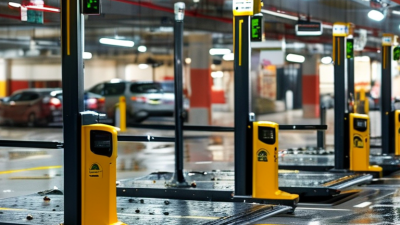
Leading parking equipment suppliers offer more than barriers and ticket machines. Their core portfolios usually include boom gates, ticket dispensers, payment kiosks, loop detectors, ultrasonic sensors, and LED guidance signs. Many suppliers also provide license plate recognition cameras for authorized access and payment verification. These systems can reduce queue times when installation is planned carefully. A busy entrance still needs clear lane markings and reliable backup controls.

Modern platforms connect entry devices, payment terminals, occupancy sensors, and management software. Cloud dashboards can show space availability, equipment faults, revenue records, and maintenance alerts. Open APIs help operators connect parking systems with building access, mobile payment, or transport applications. However, integration is rarely effortless. Different data formats can create delays, especially in older facilities.

Experienced suppliers usually support site surveys, traffic-flow analysis, commissioning, and staff training. They test equipment under rain, dust, glare, and heavy daily use. A strong supplier also explains replacement parts, response times, cybersecurity controls, and data retention practices. Contactless payment is convenient, but cash or manual options may still matter during network failures. No technology removes every operational problem. Regular inspections remain necessary. Clearance heights, camera angles, and drainage details can affect performance more than expected. Reliable suppliers therefore combine durable hardware with practical service, measurable testing, and transparent documentation.

Global Certifications, Compliance, and After-Sales Support

Choosing among the 10 best parking equipment suppliers for global buyers requires more than comparing prices. Certification evidence should match the destination market. The ISO Survey 2023 reported over 1.2 million ISO 9001 certificates worldwide. Yet quality management certification does not prove every gate, sensor, or payment terminal is compliant. Ask for current test reports, factory inspection records, and traceable serial numbers.

A reliable supplier should explain electrical safety, electromagnetic compatibility, accessibility, and data protection requirements. Requirements differ across regions. CE, UKCA, UL, or equivalent approvals may apply, but a logo alone is not enough. The IEA’s Global EV Outlook 2024 reported that public charging points grew by more than 40% in 2023. Therefore, a modern Parking Lot system should support safe charging integration, load control, and software updates. This is where many product pages remain vague.

After-sales support deserves practical testing before purchase. Request response-time targets, spare-parts locations, remote diagnostic procedures, and technician coverage near the installation site. A supplier that promises “global support” should show service records, not just a multilingual website. Ask how quickly a failed barrier is restored during heavy rain or a holiday weekend. Small details matter. ISO 9001 cannot guarantee a fast repair. I would also test the help desk before signing, because polished documentation can hide slow communication. That concern may seem minor, but downtime directly affects revenue, safety, and user trust.

Global Parking Equipment Supplier Evaluation Framework

This reference chart summarizes the main evidence categories global buyers typically verify when assessing parking equipment suppliers. The values represent the number of recommended verification items in each category, covering international certifications, market compliance, technical documentation, and after-sales support.

How to Evaluate Pricing, Installation, and Maintenance Services

When evaluating parking equipment suppliers, do not compare only the purchase price. Request an itemized quotation covering gates, ticket machines, sensors, software, shipping, taxes, training, and commissioning. Ask whether construction work, cabling, and network integration are included. A low bid may exclude essential site preparation. That omission can create expensive changes later.

Installation quality often determines daily reliability. Require a documented site survey before signing. The supplier should check vehicle flow, power access, drainage, lighting, and emergency routes. Confirm the installer’s experience with similar traffic volumes.

Ask for a testing plan covering license-plate reading, payment processing, barrier safety, and system recovery. Clear training matters, too. Operators need practical instruction, not just a manual.

Maintenance terms deserve equal attention. Review response times, spare-parts availability, software updates, and remote diagnostic support. A useful service agreement should define preventive inspections, on-site repair targets, and escalation procedures.

Request uptime records from comparable projects when available. Also check who provides support after the warranty expires. Project reviews often reveal a common mistake: buyers focus on installation speed and overlook replacement costs. That approach feels efficient at first. It rarely stays efficient. A reliable evaluation leaves room for uncertain traffic growth, seasonal demand, and imperfect network conditions.

Steps for Choosing the Right Parking Equipment Partner

Choosing the right parking equipment partner requires more than comparing prices. Start with your site conditions, traffic volume, vehicle sizes, and available ceiling height. A partner should review drawings and inspect the entrance, not simply send a standard quotation.

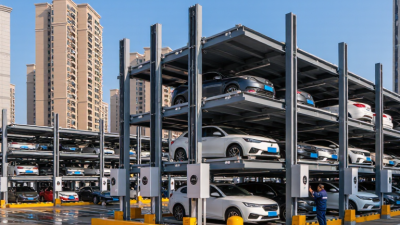
Ask for documented experience with similar projects. Request installation photos, maintenance records, and contact details for recent customers. For a Parking Lift, examine platform strength, emergency controls, drainage protection, and daily operating limits. Safety testing should be explained clearly, with records available before commissioning.

Look closely at the full ownership cost. Compare spare-part availability, technician response times, software updates, training, and warranty coverage. A low purchase price may become expensive when one sensor stops working. Check whether the supplier provides local support or depends entirely on distant contractors. Details matter.

Test the process.

During discussions, notice how the supplier handles difficult questions. Does the team admit design limits, or promise everything too quickly? I have seen attractive proposals overlook turning space and pedestrian movement. That mistake can delay installation and frustrate drivers. A reliable partner should provide a realistic schedule, clear responsibilities, and written acceptance criteria. Independent inspection may also be worthwhile before final payment. Planning is never perfect, but honest revisions usually cost less than rushed corrections.

Automated Robotic Vertical Lift Garages for Urban Parking: Insights from Frost & Sullivan Industry Reports

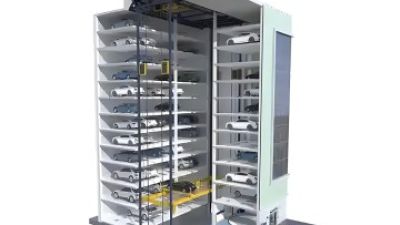
Urbanization is intensifying pressure on city parking infrastructure. The United Nations’ *World Urbanization Prospects* projects that approximately 68% of the global population will live in urban areas by 2050, increasing demand for land-efficient mobility facilities. Frost & Sullivan industry reports identify automated robotic parking as an important response to this challenge, particularly in dense districts where conventional garages require extensive ramps, driveways, and circulation space. By moving vehicles mechanically and storing them vertically, the Vertical Lift Type Rectangular Tower Garage can provide significantly more parking capacity within a compact footprint.

Designed for customized urban projects, this system combines robotic handling, automated vehicle positioning, and high-density vertical storage. Its rectangular tower configuration can be adapted to site conditions, allowing developers to make better use of narrow or irregular plots while reducing the space normally assigned to internal driving lanes. Compared with traditional surface parking, vertical deployment also helps preserve valuable land for housing, retail, landscaping, and public facilities.

As a specialized factory and supplier, we provide configurable automated parking solutions for municipalities, developers, transport hubs, and commercial properties. The system is engineered to support efficient vehicle retrieval, organized operation, and improved land utilization, helping cities address parking shortages while advancing smarter, more space-conscious urban development.

FAQS

What equipment do modern parking systems usually include?

Common equipment includes boom gates, ticket dispensers, payment kiosks, loop detectors, ultrasonic sensors, and LED guidance signs.

Can integrated parking platforms reduce entrance queues?

Yes, connected entry devices, payment terminals, sensors, and software can improve traffic flow.

What should a site survey examine before installation?

The survey should review vehicle flow, power access, drainage, lighting, clearance heights, and emergency routes.

What certifications and documents should buyers request?

Request current safety, electromagnetic compatibility, accessibility, and data protection evidence.

How can buyers evaluate after-sales support?

Request response-time targets, spare-parts locations, remote diagnostic procedures, and nearby technician coverage.

What should an itemized quotation include?

It should list equipment, software, shipping, taxes, training, commissioning, and network integration.

How should installation quality be tested?

Require tests for access-camera accuracy, payment processing, barrier safety, and system recovery.

What maintenance terms deserve careful review?

Review preventive inspections, software updates, replacement parts, remote support, and repair targets.

Conclusion

Choosing the right Parking Equipment supplier is essential for global buyers seeking reliable, secure, and efficient parking operations. A dependable supplier should demonstrate strong manufacturing capabilities, consistent product quality, international project experience, and responsive communication. Buyers should compare manufacturers by evaluating equipment performance, system compatibility, customization options, production capacity, and technical innovation. Leading suppliers typically offer a complete product range, including access control systems, ticketing equipment, payment terminals, barriers, license plate recognition, guidance systems, and integrated parking management software.

International compliance, recognized certifications, safety standards, and dependable after-sales support are also important factors. Buyers should carefully review installation procedures, staff training, spare-part availability, warranty terms, maintenance plans, and long-term technical assistance. Pricing should be assessed alongside total ownership costs rather than initial purchase price alone. By defining project requirements, checking supplier qualifications, requesting detailed proposals, verifying service capabilities, and comparing solutions objectively, organizations can select a trusted Parking Equipment partner that delivers stable performance and sustainable value.
Liam

Liam

Liam is a dedicated marketing professional based in Jiading District, Shanghai, who plays a pivotal role in promoting the company's innovative mechanical parking systems. With a deep understanding of the industry, he consistently updates the company's professional blog, sharing insights on......
Previous How to Choose the Best Car Lift Stacker?