So, picking the right Car Lifting Machine? It’s not just a small decision—it can affect how safe your workshop feels, how smoothly things run, and what you end up spending over the years. Buyers around the world usually look at things like lifting capacity, platform size, lifting speed, and how easy maintenance is. But honestly? Brochures almost never tell you the whole story.
So, this guide looks at ten different machines you might see in automotive workshops, service centers, dealerships, and even serious home garages. We’re not just listing them off—each one gets considered through how it actually performs in real working conditions. For example, a compact two-post lift can be a great fit for a narrow bay. A scissor lift? That might give you more flexibility with your floor layout. And heavy-duty four-post equipment can handle larger vehicles, though it usually eats up more space and means you’ll need to plan for a stronger installation.
So, what does the evaluation actually look at? Well, there’s rated capacity, locking systems, hydraulic performance, control layout, noise, spare-parts access, and manufacturer support. It also asks whether the design works for different kinds of vehicles—everything from small passenger cars to commercial vans. And before you buy? Buyers should double-check local certification, electrical requirements, foundation conditions, and whether professional installation is available. Just keep in mind: requirements can vary from country to country.
Specs are definitely useful, don't get me wrong. But they aren't the whole story. A lift can be fast as hell and still let you down if the seals wear out fast or if replacement parts take weeks to show up. And honestly, some of those published claims? Yeah, they might be worth a closer look. So this comparison tries to mix the technical stuff with real user experience, service feedback, and what we've seen in actual workshops. No one model works for everybody. Your budget, ceiling height, how much you use it every day, and even the habits of your technicians can all shift the final pick. Little things matter.
What Are Car Lifting Machines and How Do They Work?
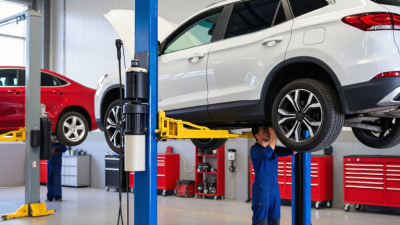
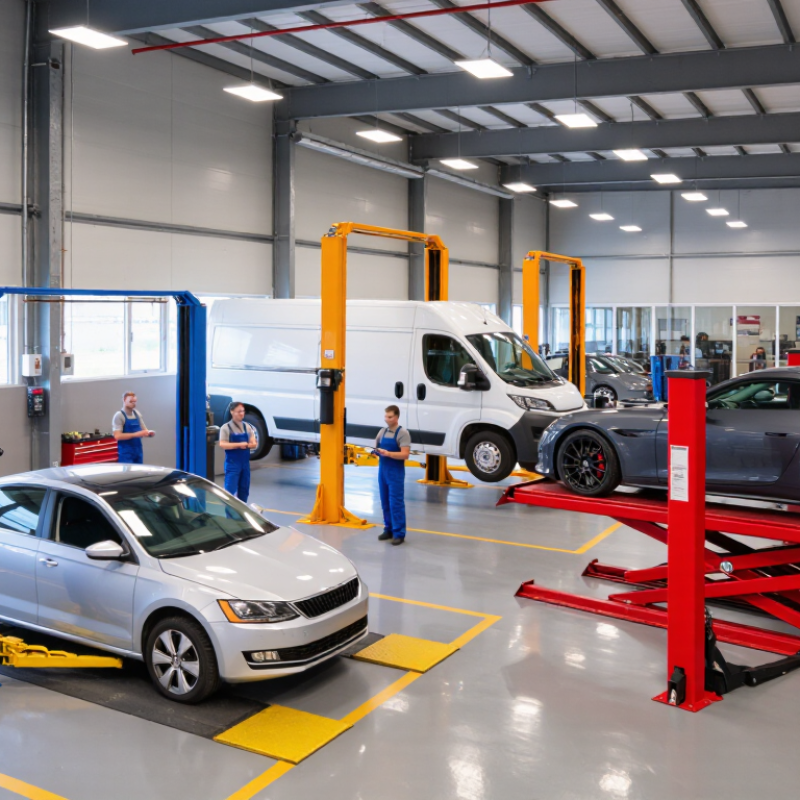
Car lifting machines raise vehicles safely for inspection, repair, wheel service, and underbody access. Common designs include two-post lifts, four-post lifts, scissor lifts, mobile column lifts, and low-rise platforms. Each uses hydraulic pressure, mechanical screws, or synchronized electric motors to transfer vehicle weight through approved contact points.
The operating sequence is simple but unforgiving. Arms or platforms first meet the vehicle’s lifting points. Hydraulic cylinders then push oil through controlled valves, creating upward force. Mechanical locks hold the load during servicing. According to the Automotive Lift Institute, certified lifts are tested for structural strength, lowering control, and load stability. Operators still need training. A rated capacity is not a suggestion.
Vehicle design is changing the equipment choice. The International Energy Agency reported more than 14 million electric cars were sold globally in 2023. Their battery packs can weigh several hundred kilograms and sit beneath the floor. Garage Lifting Equipment must therefore provide clear battery access, balanced support, and enough clearance for high-voltage inspection procedures. Four-post systems suit heavier vehicles, while scissor designs save floor space. However, space saving can reduce access. That trade-off is easy to overlook. Before buying, measure ceiling height, slab condition, door width, and the heaviest vehicle expected. A lift may look powerful, yet poor anchoring or uneven loading can make a routine raise unsafe.
How Are the Main Types of Vehicle Lifts Classified?
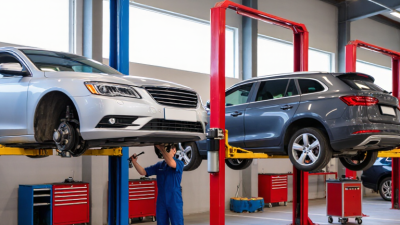
Vehicle lifts are commonly classified by support method, movement, installation, and intended use. This approach helps global buyers compare machines without relying on marketing language. Two-post lifts support a vehicle through adjustable arms, leaving the wheels accessible for brake and suspension work. Four-post lifts carry the tires on long runways and often suit storage, alignment, or heavier vehicles.
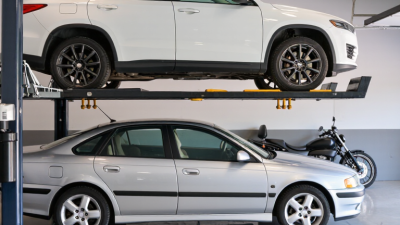
Scissor lifts raise platforms through linked arms beneath the vehicle. Their low-profile versions fit smaller workshops, while full-rise designs provide better standing clearance. Mobile column lifts use separate lifting units beside each wheel, offering flexible service areas for commercial vehicles. In-ground lifts remain below the floor when lowered, but installation requires careful drainage, structural planning, and qualified technical work. Space matters.
Other categories include portable lifts, parking stackers, and specialized platform systems. Portable models may serve inspections or light repairs, but their rated capacity must match the vehicle, not merely its average weight. Parking stackers prioritize vertical storage and may limit access beneath the upper vehicle. Classification also depends on drive system, such as hydraulic or electromechanical operation, and on lifting capacity.
From practical inspections, the safest comparison begins with the load plate, locking system, arm reach, and floor condition. A lift can appear suitable yet fail because its anchors meet weak concrete. That is an easy mistake. Buyers should check maintenance records, operating instructions, emergency lowering procedures, and local installation requirements with a competent technician. Some categories overlap, and that makes selection less tidy than a simple top-ten ranking.
What Criteria Determine the Best Car Lifts for Global Buyers?
Choosing among the top 10 car lifting machines requires more than comparing prices. Global buyers should examine lifting capacity, platform width, maximum height, and vehicle compatibility. A lift rated for 4,000 kilograms may not suit every commercial vehicle. Check the actual load distribution, not only the headline capacity.
Hydraulic Lifting Equipment should include reliable safety locks, controlled lowering, reinforced arms, and protection against fluid leaks. Inspect welds, hoses, seals, and anchor points before installation. Local electrical requirements also matter, especially when voltage and workshop conditions differ. Experienced technicians should verify the floor thickness and concrete strength. A product can look excellent, yet installation may expose weaknesses.
Tips: Request technical drawings, test certificates, maintenance instructions, and spare-part details before purchase. Ask how quickly support can respond across borders. Choose equipment with clear emergency procedures and accessible replacement parts. Training should cover uneven loading, locking positions, and routine inspections. Do not rely only on online photographs. Lift it carefully. Some buyers, including experienced ones, overlook drainage and winter corrosion. That mistake deserves reflection. A practical trial with common vehicles can reveal awkward arm placement, poor visibility, or slow operation. These details often matter more than a polished specification sheet.
What Are the Top 10 Car Lifting Machines on the Market?
What Are the Top 10 Car Lifting Machines on the Market?
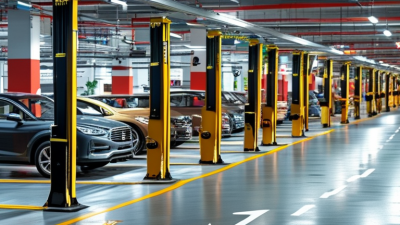
The leading car lifting machines serve different workshops, garages, and parking projects. The practical top ten include two-post lifts, four-post lifts, scissor lifts, mobile column lifts, low-rise lifts, in-ground lifts, portable lifts, parking stackers, turntable parking lifts, and automated tower systems. A two-post lift suits routine wheel and brake work. A four-post model offers better stability for storage. Scissor designs save floor space, while mobile columns support heavier commercial vehicles. A Car Parking Machine usually prioritizes vertical storage, compact footprints, and controlled vehicle movement.
Selection requires evidence, not attractive specifications. Grand View Research reported continued growth in the global automotive lift market, driven by workshop modernization and rising vehicle ownership. The 2024 Global EV Outlook also noted that electric vehicles are often heavier because of battery systems. That detail matters. A lift rated for ordinary sedans may not suit a large electric vehicle. Check rated capacity, lifting height, platform width, locking systems, emergency lowering, and service access. U.S. safety guidance from OSHA stresses training, inspection, and stable support points. Still, market reports vary. Their forecasts are useful, but not perfect.
Tips: Measure the vehicle first. Leave space for mirrors and doors. Confirm the lifting points with the vehicle manual. Test a backup power release before daily use. Ask for inspection records and technician training. My field experience suggests that the cheapest lift often creates the most expensive delay. That assumption needs testing against local service costs.
How Do Buyers Compare Lift Capacity, Space, Power, and Features?
When buyers compare car lifting machines, lift capacity is the first number they check. It should not be the only one. A 3,500-kilogram rating may suit many passenger vehicles, but the real load includes tools, fuel, and uneven weight distribution. Experienced technicians check the vehicle’s lifting points against the machine manual. They also allow a sensible safety margin. Rated capacity alone can mislead.
Workshop space changes the decision quickly. Measure ceiling height, bay width, floor thickness, and arm reach before comparing prices. A lift may raise a vehicle safely but leave little room for doors or a technician’s movement. Short-arm designs can help in narrow bays. Long-arm designs may serve larger vehicles. Measure twice. Power requirements matter too. Buyers should confirm local voltage, phase, current, and hydraulic motor demand. An adapter is not always a proper solution. Emergency lowering, lock engagement, and duty cycle deserve careful inspection.
Useful features include adjustable adapters, mechanical locks, synchronized movement, clear controls, and corrosion-resistant components. These details affect daily work more than a glossy specification sheet. During site evaluations, I would record lifting time, noise, access around the vehicle, and the effort needed for routine maintenance. Digital displays look impressive, but they cannot correct poor installation. Some comparisons also ignore technician training and spare-part access. That omission can become expensive. I would recheck every measurement before ordering, because a small error in floor layout may limit years of practical use.
What Safety, Certification, Installation, and Maintenance Factors Matter?
Choosing among the Top 10 Car Lifting Machines requires more than comparing lifting height and price. Safety should guide every decision. Check the rated load, locking system, emergency lowering method, and platform stability. A Parking Machine should hold vehicles securely during loading, servicing, and power interruptions.
Ask suppliers for test reports, user manuals, wiring diagrams, and certificates recognized in your destination market. Certification requirements differ across countries, so local inspection rules must be confirmed before purchase. Look for clear markings on the frame, control panel, and hydraulic components. Missing documents can delay installation and create avoidable safety risks.
Installation quality matters as much as machine design. The floor needs suitable strength, levelness, drainage, and enough clearance for doors and moving parts. Trained technicians should test anchors, electrical protection, limit switches, and emergency stops. During maintenance, inspect hydraulic hoses, cables, bolts, locks, and unusual platform movement. Keep a written service log with dates and replaced parts. Small details matter. A dusty sensor can stop operations.
Real sites are rarely perfect. Space may be tighter than the drawing, and users may overload platforms despite warnings. This is where training and supervision matter. No checklist is perfect. Buyers should review near-misses, operator feedback, and inspection records instead of trusting promotional claims alone. A careful supplier should explain limitations honestly, including noise, weather exposure, maintenance access, and expected service intervals.
FAQS
Compare lifting capacity, platform width, maximum height, and vehicle compatibility. Check load distribution, not only the headline capacity. A 4,000-kilogram rating may not fit every commercial vehicle.
Common options include two-post, four-post, scissor, mobile column, low-rise, and in-ground lifts. Portable lifts, parking stackers, turntable systems, and automated towers are also used. Each type suits different spaces and vehicle tasks.
A two-post lift suits regular wheel and brake work. A four-post lift offers greater stability for vehicle storage. Scissor designs save floor space, but access can feel less convenient.
Electric vehicles can weigh more because of their battery systems. Confirm the lift capacity, support points, and platform width before use. Do not assume a sedan-rated lift fits every electric vehicle.
Look for reliable safety locks, controlled lowering, reinforced arms, and leak protection. Inspect welds, hoses, seals, and anchor points. Emergency procedures must be clear and easy to reach.
They should verify floor thickness, concrete strength, electrical requirements, and workshop conditions. Local voltage differences can affect operation. A polished product may still reveal installation weaknesses.
Request technical drawings, test certificates, maintenance instructions, and spare-part details. Ask about cross-border response times and replacement-part availability. Support sounds reassuring, but actual response times need checking.
Measure common vehicles and leave room for mirrors and doors. Check lifting points against each vehicle manual. A practical trial may reveal awkward arms, poor visibility, or slow movement.
Inspect the lift routinely and check locking positions, hoses, seals, and support points. Drainage and winter corrosion deserve attention. Even experienced buyers miss them sometimes.
No. Market reports can show demand, but their forecasts are not guarantees. Compare local service costs, training quality, and operating conditions. The cheapest lift may create the costliest delay.
Conclusion
A Car Lifting Machine is essential equipment for raising vehicles safely during inspection, repair, maintenance, and detailing. This article explains how lifting systems use hydraulic, pneumatic, or mechanical power to elevate and support vehicles, while introducing the main categories, including two-post, four-post, scissor, mobile, and specialty lifts. It also presents ten representative car lifting machines for global buyers, focusing on practical differences rather than brand names.
The comparison considers lifting capacity, platform space, maximum height, power requirements, operating speed, portability, and useful features such as adjustable arms, safety locks, and automatic controls. Buyers will also learn how to evaluate workshop layout, vehicle compatibility, installation conditions, certification, operator training, and long-term maintenance needs. By balancing performance, safety, available space, budget, and after-sales support, purchasers can select a reliable lifting solution that matches their working environment and vehicle service requirements.