China’s top 10 Car Elevator Lift manufacturers? Honestly, that’s a question worth asking now that city land keeps getting more expensive. A car elevator lift moves vehicles between parking levels, showrooms, workshops, and tight residential sites. And its value isn’t just about lifting capacity. Things like door timing, pit depth, platform stability, drainage, emergency lowering, and how fast service responds really shape how it performs day to day.
Grand View Research put the global automated parking system market at around USD 1.96 billion in 2022. They also expect solid growth through 2030, fueled by urban density and scarce parking space. Fortune Business Insights sees similar momentum in smart elevator tech. To be fair, those numbers don’t directly measure every car elevator lift. Even so, they point to a clear direction: more buildings need controlled vehicle movement in smaller footprints.
Dr. Lee Gray, a well-known elevator historian and industry commentator, once said, “The elevator is the most important form of transportation in the world.” His point lands a little differently when we’re talking about vehicle lifts. A car platform has to protect the vehicle and the structure around it. So manufacturers like Mutrade, XIZI iParking, Dayang Parking, Qingdao Huashida, and Tada should be judged on more than catalog prices. This comparison looks at load ratings, platform dimensions, installation experience, certification practices, maintenance access, and project references. It also weighs after-sales support, which is easy to overlook.
Specs can look great on paper. The site might tell a different story. That’s why this ranking is meant to be practical, not absolute. Local codes, building structure, climate, and traffic frequency can all change what the best choice is. Before buying, readers should check current certificates, test records, warranty terms, and references. No single manufacturer fits every project.
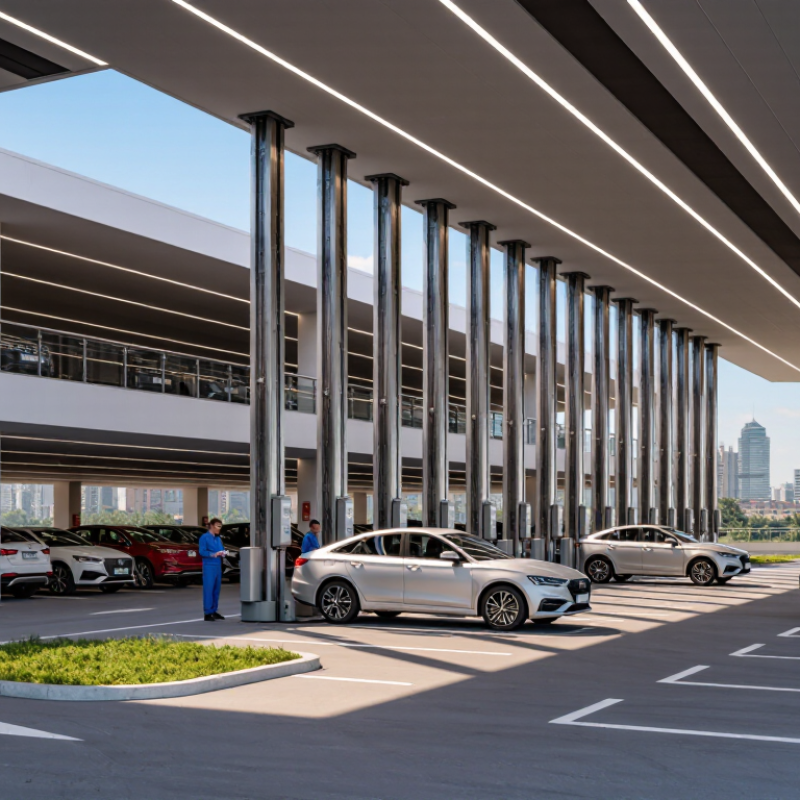
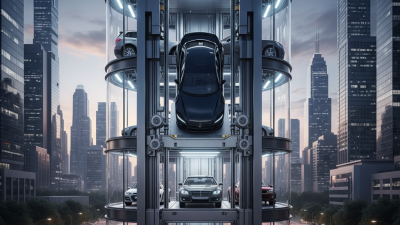
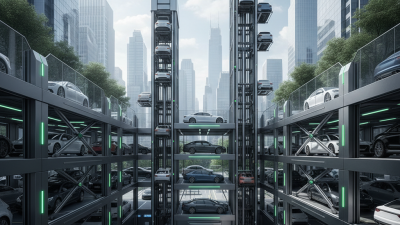
A Car Elevator is a vertical lifting system that moves vehicles between parking levels. It replaces a long ramp where land is limited. Unlike a passenger elevator, it uses a wider platform, stronger guides, and vehicle-focused safety controls.
The driver stops inside the marked area and applies the parking brake. Sensors check the vehicle’s position, door status, and platform load. When conditions are safe, hydraulic cylinders or electric traction equipment raise the platform. Guide rails reduce side movement during travel. Mechanical locks support the platform at each landing, rather than relying only on hydraulic pressure.
At the destination, the platform aligns with the floor. Interlocked gates open only after the system confirms a stable position. Emergency stop buttons, overload protection, anti-drop devices, and backup power are important features. These details deserve inspection, not just attractive specifications.
In real installations, clearance errors can cause trouble. A large SUV may need more height than the drawings suggest. Water, dust, and winter grit can also affect sensors and door tracks. Regular checks should cover cables, seals, brakes, locks, and control panels. Maintenance records improve reliability and help technicians identify repeated faults.
No system is perfectly silent. Some vibration is normal, but sudden movement deserves attention. Choosing equipment requires verified load data, site measurements, trained installers, and compliance with local elevator and building regulations.
Evaluating China’s car elevator lift manufacturers requires more than comparing prices. Begin with documented project experience, especially for a Car Park Elevator used in similar climates and buildings. Ask for installation photos, load ratings, travel distances, and customer references. A supplier with ten years of experience should explain failures honestly, not only display successful projects.
Review the technical design carefully. Check platform dimensions, lifting speed, pit depth, headroom, noise levels, and emergency lowering systems. Confirm that the equipment meets applicable safety standards in your installation country. Request factory inspection records, material certificates, wiring diagrams, and a clear testing procedure. A reliable manufacturer should permit video inspections or independent audits before shipment.
Maintenance planning often reveals the real quality of a supplier. Ask how quickly replacement parts can be delivered and whether technicians provide practical training. Confirm warranty coverage, software access, corrosion protection, and remote troubleshooting methods. The control cabinet should be clean, labeled, and easy to inspect. Small details matter.
Do not trust polished brochures alone. Some specifications may look impressive but lack site evidence. Compare the promised capacity with actual vehicle weights, turning space, and daily traffic. Speak with previous buyers if possible. No evaluation is perfect. I would still leave room for uncertainty, especially when local installation conditions remain unclear. A transparent manufacturer will admit those limits and suggest a safer adjustment.
China’s Top 10 Car Elevator Lift Manufacturers are often compared by product range, engineering quality, and service capability. However, no official ranking covers every supplier. A practical review should examine projects, factory capacity, and independent test records. Experienced manufacturers can design systems for apartments, hotels, showrooms, and compact urban garages.
A reliable car elevator should match the vehicle’s weight, wheelbase, and turning space. Buyers should check rated loads from 2,500 to 5,000 kilograms, platform dimensions, pit depth, and overhead clearance.
Hydraulic systems may suit low-rise buildings, while traction systems can support faster and taller operation. Emergency lowering, door interlocks, anti-fall devices, and manual release controls need careful inspection. Small details matter.
Factory visits can reveal more than polished brochures. Look for weld quality, painted steel surfaces, control cabinets, and load-testing procedures. Ask for installation records and maintenance schedules. Spare-part availability also affects long-term costs.
Some suppliers communicate well before delivery, then respond slowly after installation. That weakness deserves attention. A trusted manufacturer should provide drawings, foundation guidance, commissioning support, operator training, and clear warranty terms.
Local regulations and building conditions must guide the final choice. A low quotation may hide extra civil work, longer delivery, or difficult maintenance.
China’s leading car elevator lift manufacturers serve dense residential, commercial, and industrial projects. Their company profiles differ, but most combine engineering teams, factory testing, and installation support. Some focus on compact urban parking systems. Others build heavy-duty platforms for dealerships, warehouses, and apartment towers.
Core products usually include hydraulic car lifts, traction lifts, scissor platforms, and vertical parking elevators. Hydraulic models suit low-rise buildings and moderate traffic.
Traction systems often support smoother movement across taller structures. Scissor lifts provide a stable platform, especially where pit depth is limited. Automated parking towers may combine sensors, control cabinets, and multi-level storage.
Safety equipment deserves close attention. Reliable suppliers use door interlocks, overload protection, emergency lowering, anti-drop devices, and manual release systems. Their technical teams should provide load calculations, shaft drawings, maintenance schedules, and operator training. A useful profile also shows experience with steel fabrication, electrical integration, and on-site commissioning.
For Elevator Car Parking projects, buyers should compare rated load, platform size, lifting speed, noise levels, and power requirements. Climate resistance matters in coastal areas. After-sales response matters even more. A low initial price can hide difficult maintenance or delayed spare parts. Some specifications look impressive but remain unclear without site references and test records. Independent inspection is sensible, although it may increase project time. The strongest manufacturers still need careful verification before selection.
When comparing China’s top 10 car elevator lift manufacturers, key technologies deserve more attention than catalog claims. Modern systems combine reinforced guide rails, variable-frequency drives, load sensors, and programmable controllers. The International Energy Agency’s Global EV Outlook 2024 reported nearly 14 million electric car sales in 2023. Electric vehicles represented about 18% of global new-car sales. Their heavier battery packs require accurate load calculations and stronger platform structures. Designers should not assume older parking data remains valid.
Hydraulic drives offer strong lifting force and compact layouts. Traction systems can provide smoother travel and better energy control. Both need mechanical brakes, overspeed protection, emergency lowering, and door interlocks. ISO 8100-1 and ISO 8100-2 provide important safety references for lift design and verification. In practice, sensor redundancy matters. One sensor can drift. A second signal can expose the error before movement begins. That small detail protects people, vehicles, and equipment.
Digital monitoring is also changing daily operation. Vibration sensors can reveal guide-rail wear, while cycle counters support planned maintenance. Charging integration requires careful cable routing, heat management, and fire-risk assessment. The weak point is often maintenance. Remote alarms cannot replace physical inspections. Engineers may overtrust simulation results, especially when vehicles, weather, and user behavior vary. Real installation records should challenge the design, not merely confirm it.
Technology-focused comparison of commonly used systems and engineering features in modern car elevator lifts
| No. | Key Technology | Primary Function | Typical Technical Data | Safety and Compliance Considerations | Suitable Applications |
|---|---|---|---|---|---|
| 1 | Hydraulic Drive System | Raises and lowers the vehicle platform using hydraulic cylinders and a power unit. |
Common capacity: approximately 2,500–5,000 kg Typical speed: about 0.10–0.30 m/s Strength: high lifting force with relatively simple mechanical construction. |
Requires hose-burst protection, pressure relief, mechanical anti-drop protection, emergency lowering, and regular inspection of cylinders, seals, and hoses. | Low-rise residential garages, parking buildings, service workshops, and moderate-speed installations. |
| 2 | Traction or Gearless Drive | Uses a motor, sheave, ropes or belts, and counterbalancing components to move the car platform. |
Common capacity: approximately 2,500–5,000 kg Typical speed: about 0.30–1.00 m/s Strength: efficient operation and suitability for greater travel heights. |
Needs overspeed protection, emergency braking, rope or belt monitoring, travel-limit switches, and controlled stopping at each landing. | Multi-level parking structures, commercial developments, and high-duty-cycle projects. |
| 3 | Variable-Frequency Drive | Controls motor frequency and torque to provide smooth acceleration, deceleration, and leveling. |
Benefits: reduced starting current, improved ride quality, and more accurate stopping Typical leveling target: commonly within a few millimeters when correctly commissioned. |
The drive must work with independent final limits, emergency stop circuits, brake monitoring, and protection against uncontrolled movement. | Installations requiring smooth vehicle handling, frequent operation, and reduced mechanical shock. |
| 4 | PLC-Based Control System | Coordinates doors, platform movement, sensors, interlocks, traffic logic, and fault handling. | Typical functions: automatic landing selection, fault logging, access control integration, inspection mode, and emergency procedures. | Safety circuits should be independent or safety-rated where required. Door locks, limit switches, overload signals, and emergency stops must be monitored. | Automated facilities, multi-floor garages, and systems requiring building-management integration. |
| 5 | Automatic Landing Door Interlocks | Prevents movement unless the landing door and platform access are correctly closed and locked. |
Core feature: electrically monitored locking mechanism Typical arrangement: interlocked doors at every served level with controlled opening and closing. |
The lift should not run with an unlocked door. Door edges, light curtains, or presence sensors can reduce trapping and impact risks. | Public parking garages, residential buildings, and any installation with multiple vehicle entry levels. |
| 6 | Overload and Load-Distribution Monitoring | Detects excessive total weight or unsafe loading conditions before or during movement. |
Common design basis: rated capacities are often selected between 2.5 and 5 tonnes for passenger vehicles and SUVs Monitoring: load cells, hydraulic pressure sensing, or calibrated platform sensors. |
The system should account for uneven wheel loading, vehicle position, axle loads, and platform deflection rather than relying only on total weight. | Facilities serving SUVs, electric vehicles, commercial vans, or mixed vehicle fleets. |
| 7 | Anti-Fall and Mechanical Locking System | Supports the platform mechanically when stationary and limits descent in the event of hydraulic or drive failure. | Typical components: safety pawls, locking pins, rack-and-pawl devices, safety gears, or mechanically engaged supports. | Mechanical locks should engage at designated levels and be verified by position sensors. Hydraulic pressure alone should not be treated as the only holding method. | All vehicle lifts, particularly systems carrying people or operating in public-access areas. |
| 8 | Position and Obstacle Detection | Identifies platform position, vehicle clearance, door obstruction, and objects in the travel path. | Common devices: absolute or incremental encoders, magnetic switches, photoelectric sensors, laser sensors, and safety edges. | Sensors should be protected from dirt, water, and impact. Critical movement limits require independent backup switches or hardwired safety circuits. | Tight urban sites, automated parking areas, and systems with limited overhead or pit clearance. |
| 9 | Emergency Power and Manual Recovery | Provides controlled recovery or communication when normal electrical power fails. | Typical provisions: battery-backed alarm and lighting, emergency telephone, manual door release, and hydraulic emergency lowering where applicable. | Emergency systems must not create uncontrolled movement. Battery condition, emergency lighting, communication, and manual recovery procedures require periodic testing. | Public buildings, residential developments, hospitals, and sites where vehicle retrieval during outages is important. |
| 10 | Weather-Resistant and Corrosion-Controlled Construction | Protects structural, electrical, and drive components from moisture, salt, dust, and temperature changes. | Typical measures: galvanized or coated steel, stainless components in exposed areas, sealed control cabinets, drainage, anti-slip decking, and corrosion-resistant fasteners. | Electrical ingress protection, drainage, grounding, slip resistance, and structural inspection are essential for outdoor or semi-open installations. | Outdoor parking, coastal locations, rooftop garages, underground facilities, and humid industrial environments. |
When comparing China’s top ten car elevator lift manufacturers, safety evidence should matter more than sales claims. A reliable supplier should explain which Chinese GB standards apply to the equipment. It should also provide relevant CE documentation for European projects. ISO 9001 supports quality management, but it does not replace product safety certification. This distinction is often misunderstood.
Inspect the safety design closely. The lift should include mechanical locking devices, emergency stop controls, upper and lower limit switches, overload protection, and hydraulic hose rupture protection where applicable. Guard doors need dependable interlocks. Ask for documented load tests, repeated cycle tests, weld inspections, and factory acceptance records. Serial numbers should connect each major component to inspection results. Small details reveal manufacturing discipline.
Installation quality is equally important. A capable manufacturer supplies foundation drawings, wiring diagrams, operating manuals, and maintenance schedules. Its technicians should record commissioning results on site. I would also request training records and spare-parts support. A certificate alone proves little. Even a polished factory visit can mislead. Some suppliers may show excellent samples but weak after-sales control. Therefore, buyers should verify references, inspect test reports, and clarify responsibility for periodic inspections. The safest choice is not always the cheapest quotation. It is the supplier that can repeatedly demonstrate controlled design, transparent testing, and accountable service.
Choosing from China’s top 10 car elevator lift manufacturers requires more than comparing prices. Your project needs a supplier with proven engineering experience, clear documentation, and reliable communication. Review completed installations similar to yours, including residential garages, dealerships, and compact urban sites. Ask for evidence.
A capable manufacturer should calculate vehicle weight, platform size, travel height, pit depth, and traffic frequency before recommending a Car Parking Elevator. Request drawings showing structural loads, emergency lowering, door interlocks, overload protection, and control logic. Confirm which safety standards apply in your location. Do not accept vague certificates or copied technical sheets. Details matter.
Factory verification can reveal practical differences. Check welding quality, hydraulic components, electrical cabinets, testing procedures, and assembly space through a live video inspection or site visit. Ask how each unit is load-tested before shipment. Request a realistic production schedule, spare-parts list, installation method, and response times for technical support. Speak with previous customers if permission is available.
Customization is useful, but excessive modification may increase risk, cost, and delivery time. A supplier should explain these trade-offs honestly. I would also compare warranty terms line by line, especially coverage for pumps, sensors, seals, and control boards. Some decisions may look efficient on paper but fail during daily operation. Leave room for maintenance access, drainage, lighting, and future vehicle changes. A low quotation is not necessarily a low-cost solution.
Compare engineering quality, project experience, factory capacity, and service support. There is no universal ranking. Review completed projects, independent test records, and installation references. A polished brochure cannot prove consistent performance.
Match the rated load to the vehicle’s weight and future vehicle choices. Common capacities range from 2,500 to 5,000 kilograms. Measure the wheelbase, platform width, turning space, pit depth, and overhead clearance. A small mismatch can create daily problems.
Hydraulic systems may work well in low-rise buildings with moderate traffic. Traction systems can support faster movement and taller operation. The building structure, travel height, operating frequency, and maintenance access should guide the decision. One system is not best everywhere.
Check mechanical locks, emergency stops, limit switches, overload protection, and dependable door interlocks. Hydraulic models also need hose rupture protection where applicable. Manual release controls and emergency lowering systems deserve practical testing. Small details matter.
Request foundation drawings, wiring diagrams, operating manuals, maintenance schedules, and commissioning records. Ask for documented load tests and repeated cycle tests. Relevant safety documentation should identify applicable local standards. A certificate alone proves little.
Visit the factory when possible. Inspect welds, painted steel surfaces, control cabinets, and load-testing areas. Ask how serial numbers connect components with inspection results. Samples can look excellent. Production consistency may still be uncertain.
Correct installation affects alignment, door operation, safety devices, and long-term wear. Technicians should record commissioning results on site. Operators need practical training for loading, emergency procedures, and routine checks. Training records should be retained.
Do not compare quotations alone. Check civil work, foundation preparation, electrical requirements, delivery time, installation, inspections, and spare parts. A low quotation may hide extra work. That answer matters. Confirm warranty terms and after-sales response times in writing.
This guide explains what a Car Elevator Lift is, how it operates, and why it is increasingly used in multi-level parking facilities, residential developments, commercial buildings, and vehicle storage projects. It introduces the main evaluation criteria for China’s manufacturers, including engineering capability, production capacity, customization services, installation support, maintenance response, and project experience. It also presents a practical overview of ten leading manufacturer categories without naming specific brands, helping readers understand differences in product design, load capacity, lifting height, platform configuration, and control systems.
The article further examines modern technologies such as hydraulic and traction systems, automatic positioning, sensor-based monitoring, emergency lowering, anti-fall protection, and intelligent access control. It explains the importance of safety standards, certifications, factory testing, material quality, and inspection procedures. Finally, readers will learn how to select a suitable Chinese supplier by comparing technical specifications, site conditions, budget, delivery schedules, warranty terms, after-sales service, and long-term operating requirements.