Urban mobility is constantly changing, and one of the coolest developments lately has been Parking Lot Robots. These guys are sort of a game-changer when it comes to tackling parking issues. I read somewhere that Dr. Michael Chen from SmartPark Technologies, who's pretty much an expert in autonomous systems, said, 'Parking Lot Robots could totally revolutionize how we handle urban space, but there are some pretty big hurdles to clear.' It’s kind of a reminder that while the potential is huge, so are the challenges.
These robots promise to make parking more efficient, cut down congestion, and make better use of space. But, of course, they’re not without their worries. People tend to be concerned about safety and whether these systems are reliable enough. Plus, let's face it, they can be pretty pricey, which makes it tough for cities to jump on board right away.
And we can’t forget about the environment. Sure, these robots can help with parking, but we also need to think about how much energy they use. As urban planners and tech folks work together, they gotta really consider these issues carefully. Getting parking robots into our cities isn’t exactly a walk in the park—they face obstacles—but honestly, the possibilities are exciting and spark good conversations about what smart parking in the future could look like.
Overview of Parking Lot Robots and Their Functionality
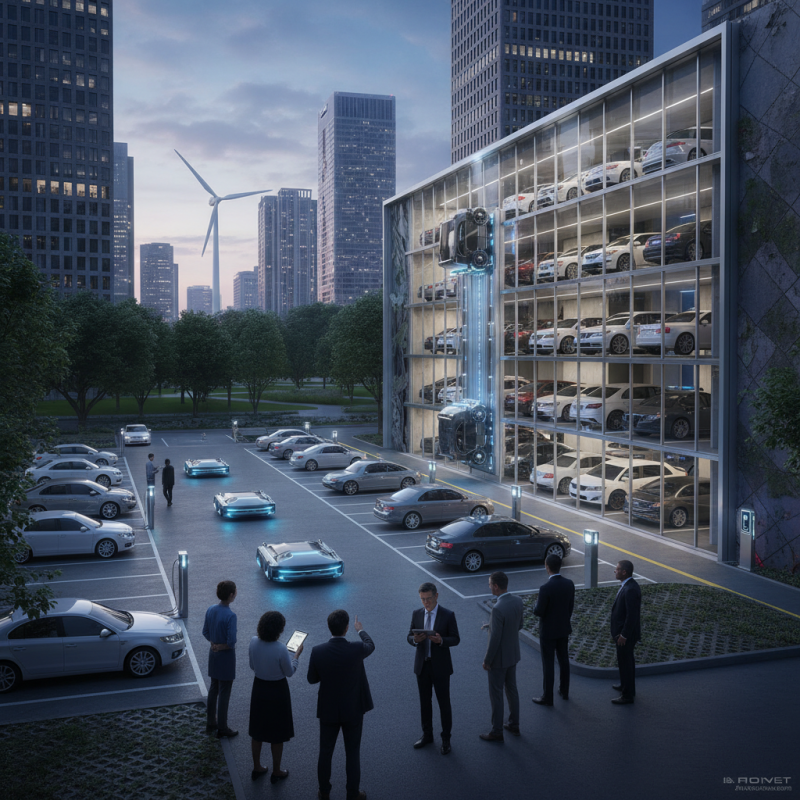
Parking Lot robots represent a transformative shift in how we manage parking spaces. Their primary role is to automate the parking process. These robots often work underground or in designated areas of parking lots. Recent studies suggest that such systems can reduce the time spent searching for parking by up to 70%. This efficiency not only maximizes space usage but also decreases congestion on city streets.
The functionality of parking lot robots goes beyond mere convenience. These systems are equipped with advanced sensors and artificial intelligence. They can navigate tight spaces and optimize parking layouts. Reports indicate that implementing robotic systems in urban areas might increase parking capacity by 30% without requiring additional land. However, there are considerations to address, like maintenance and initial investment costs.
User experience is another important factor. While many users appreciate the speed and efficiency of parking lot robots, others express concerns over technology reliability. Malfunctions can lead to frustration, especially if remote monitoring isn’t robust. Continuous user feedback is vital for refining these solutions. The integration of parking lot robots signals a promising future, but their success depends on balancing innovation with usability.
Advantages of Using Robots for Parking Solutions
Parking lot robots are gaining traction as a smart solution for urban challenges. These robots can maneuver vehicles into tight spots with precision. This technology reduces the need for extensive parking space while maximizing efficiency.
One clear advantage is safety. Robots can lower accident chances by reducing human error. They navigate complex parking scenarios, freeing drivers from stressful situations. Another benefit is time savings. The automated process significantly cuts the time spent searching for a parking space.
**Tip:** When using robotic parking systems, ensure your vehicle's sensors are functioning properly. This enhances compatibility with the robot’s navigation.
However, some challenges remain. Not all drivers are comfortable with relinquishing control. Trusting robots with your vehicle can be daunting. It requires a leap of faith. Additionally, the initial setup cost for such systems may deter some municipalities.
**Tip:** Consider your daily driving habits. Assess if robotic parking could fit seamlessly into your routine. Understanding your own needs can help you see the potential benefits clearly.
Advantages of Using Robots for Parking Solutions
Challenges Facing the Implementation of Parking Lot Robots
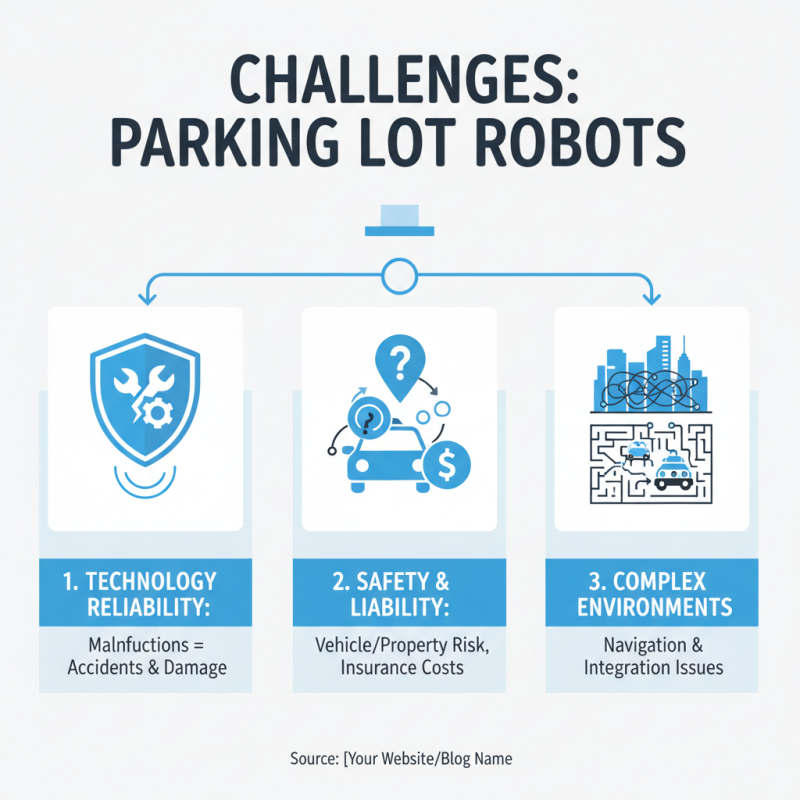
Parking lot robots have emerged as a potential solution for urban parking problems. However, significant challenges remain. One major issue is technology reliability. Robots must navigate complex parking environments without causing accidents. Any malfunction could lead to damage to vehicles or property. This risk raises concerns about safety and insurance costs.
Another challenge is public acceptance. Many drivers are unfamiliar with automated systems. Trust in these robots is crucial. If users feel anxious or skeptical, they may resist using this technology. Education and awareness campaigns are necessary to build confidence in parking lot robots. Additionally, addressing user privacy concerns is vital. People worry about data collection and how it might be used.
Infrastructure adaptation also poses difficulties. Many existing parking lots are not designed for robotic systems. Retrofitting these spaces can be costly and time-consuming. Cities need to weigh the benefits against these expenses. Collaboration between city planners and technology developers is essential for successful implementation. There are no easy solutions, and ongoing evaluation and adjustments will be critical.
Comparison Between Traditional Parking Methods and Robots
Traditional parking methods often lead to frustration. Drivers circle parking lots, searching for spaces. This is time-consuming and inefficient. With rising urbanization, finding parking is a growing challenge. Space is limited, and demand is high. Traditional systems can't keep up. They require human effort and can be prone to errors.
Robotic parking solutions represent a shift toward innovation. Unlike typical lots, they automate the parking process. These robots move vehicles into optimal spaces without the need for drivers. This maximizes space usage significantly. For instance, a Smart Parking Lot could accommodate more cars compared to a standard layout. However, these systems are not without their flaws. Maintenance and technology failures can hinder their effectiveness.
Additionally, the user experience may vary. Some might feel uneasy handing off their vehicle to a robot. Trust in technology is still developing. People often question reliability, especially when new systems emerge. While robotic solutions promise efficiency, they also invite scrutiny. Overall, the comparison showcases a potential future that is both promising and uncertain.
Technological Advancements Driving Robot Parking Solutions
The rise of robotic technology is changing the way we think about parking solutions. As urban populations grow, parking spaces become increasingly scarce. Robotics offers a potential answer to this challenge.
According to a report by MarketsandMarkets, the automated parking system market is expected to reach $7.3 billion by 2026, growing at a CAGR of 12.5%. This growth reflects a shift toward smarter and more efficient parking options.
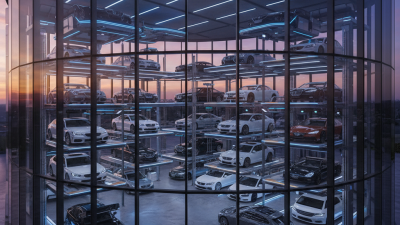
Parking lot robots can maximize available space by stacking vehicles vertically or reconfiguring layouts in real time. This method not only increases parking capacity but also reduces the time drivers spend searching for spots. However, a key challenge lies in the integration of these robots with existing infrastructure. Many facilities may need extensive modifications to accommodate automated systems, which raises concerns about cost and adaptability.
Tip: When considering robot parking solutions, assess your current parking capacity and layout. This evaluation will help determine the feasibility of implementing such technology.
While the benefits are undeniable, some issues require further exploration. For instance, the reliability of these robots in adverse weather conditions remains uncertain. Stakeholders must investigate safety standards and maintenance protocols for long-term functionality. The future of parking solutions may be robotic, but there will still be hurdles to overcome.
Case Studies of Successful Robot Parking Implementations
Robot parking solutions are gaining traction in urban areas. For instance, a busy city implemented a robotic parking system that optimizes space usage. Instead of traditional parking spots, cars are placed on automated platforms. This method reduces congestion and saves time. Users express satisfaction with the efficiency of these systems.
In another case, a small shopping center introduced Parking Lot Lifts for its visitors. The lifts transport vehicles to designated parking areas without human intervention. This not only improves the shopping experience but also enhances security. However, feedback revealed some concerns. Users wondered about the system's reliability during peak hours. Such uncertainties indicate areas for improvement.
These case studies highlight the potential of robot parking implementations, revealing both strengths and weaknesses. While the technology provides innovative solutions, addressing user concerns is crucial for wider adoption. Continuous assessment will help refine the system and build trust among users.
Future Trends in Smart Parking Solutions and Robotic Innovations
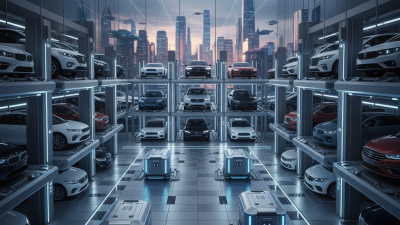
As urban areas grow, the concept of smart parking becomes essential. Parking lot robots emerge as innovative solutions to address the challenges of space management. These robotic systems can autonomously navigate through parking facilities. They optimize space usage, reduce human error, and ensure efficient vehicle storage. However, their effectiveness largely depends on the infrastructure of existing Parking Lot Systems.
While robotic technology offers impressive advancements, there are limitations. Not all parking lots are designed to accommodate these systems. Some may lack necessary sensors or interface tools for robots. Additionally, the cost of implementing these innovations can be a burden for smaller establishments. It’s crucial to evaluate the long-term benefits versus upfront expenses. A misalignment could lead to increased operational risks.
Public perception is another factor to consider. People might feel uneasy about relinquishing control to robots. Trust in technology remains a hurdle. Continuous improvements in these robotic solutions must focus on transparency and user experience. Future developments should aim to bridge the gap between robotic efficiency and human comfort. Addressing these reflections may guide the evolution of smart parking solutions in urban landscapes.
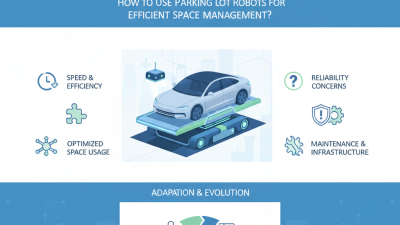
Are Parking Lot Robots the Future of Smart Parking Solutions?
| Feature |
Description |
Benefits |
Challenges |
| Autonomous Navigation |
Robots navigate parking lots to find and park vehicles automatically. |
Reduces time spent looking for parking spots. |
Requires complex sensors and mapping technology. |
| Space Optimization |
Maximizes the use of available space by precisely parking vehicles. |
Increases the number of parked vehicles per area. |
Efficiency can be affected by robot size and design. |
| User Interaction |
Provides user-friendly interfaces via mobile apps for booking and retrieving vehicles. |
Enhances customer experience through convenience. |
Dependent on reliable internet connectivity and user tech literacy. |
| Energy Efficiency |
Uses electric power for operation, contributing to sustainability. |
Reduces carbon footprint compared to traditional parking systems. |
Initial investment costs and infrastructure upgrades can be high. |
| Integration with Smart City Systems |
Can connect with traffic management systems for real-time data sharing. |
Improves overall urban mobility and reduces congestion. |
Requires collaboration between various city departments and stakeholders. |
Revolutionizing Urban Parking: Insights from Industry Reports on Automated Mechanical 2-6 Levels Plane Moving Robotic Parking Systems
In the realm of urban development, the need for efficient parking solutions has never been more pressing. Automated mechanical plane moving robotic parking systems are revolutionizing the way we think about parking in high-traffic areas such as shopping centers and hospitals. These systems offer fully automated parking capabilities, ensuring rapid vehicle retrieval and return while eliminating the cumbersome ramps that traditional parking structures rely on. This not only optimizes the use of available space but also significantly alleviates parking congestion, a common challenge in densely populated environments.
The versatility of plane moving parking systems is underscored by their capacity to support configurations ranging from 2 to 12 levels, accommodating various site constraints. Built with a powerful three-phase five-wire system, these smart parking facilities are designed to operate safely and reliably. They incorporate comprehensive safety mechanisms that protect both vehicles and users, all while meeting stringent international quality standards with CE certification. By maximizing vertical space through a ramp-free design, these solutions are ideally suited for commercial spaces facing limited land resources, ultimately transforming urban landscapes into more efficient and user-friendly environments.
FAQS
: They automate the parking process, helping reduce search times significantly.
Studies suggest a reduction of up to 70% in parking search time.
They are equipped with advanced sensors and artificial intelligence for navigation.
Yes, they can increase capacity by about 30% without needing more land.
Users worry about the reliability of the technology and potential malfunctions.
Assess current parking capacity and layout to determine implementation feasibility.
Yes, existing infrastructures may require costly modifications for compatibility.
Infrastructure, maintenance protocols, and public trust in technology play crucial roles.
People may feel uneasy about trusting robots for parking, impacting widespread adoption.
Enhancements should focus on transparency, user experience, and maintaining a balance with human comfort.
Conclusion
Parking Lot Robots are emerging as a revolutionary solution in the realm of smart parking. These automated systems offer various functionalities that maximize space efficiency and enhance user convenience. By automating the parking process, these robots significantly reduce the need for human intervention, leading to faster and more efficient parking experiences. The implementation of Parking Lot Robots comes with several advantages, including reduced labor costs, minimized carbon footprints, and improved safety. However, challenges such as high initial investment and technological adaptation remain hurdles that need to be addressed.
A comparison between traditional parking methods and Parking Lot Robots highlights a shift towards innovation, driven by advancements in robotics and artificial intelligence. Successful case studies illustrate the practical benefits and effectiveness of these systems, paving the way for future trends in smart parking solutions. As urban areas continue to evolve, the integration of robotic innovations into parking infrastructure promises a more streamlined and sustainable approach to managing parking resources.