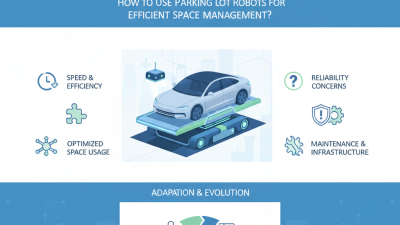
With cities growing and urban mobility evolving so quickly, managing vehicle flow in crowded spots has become quite a challenge. Have you heard about Parking Lot Robots? They seem to be a pretty promising fix for making parking more efficient. According to a report from MarketsandMarkets, the worldwide parking management market is expected to hit around $4.29 billion by 2025. The surge is mainly driven by innovations in automation, and these robots are really starting to stand out as key players.
What’s cool is that these robots can cut down on human error and make better use of space, which is a big deal in busy areas. Frost & Sullivan even pointed out that automated parking systems could save up to 60% more space compared to the old-school systems we’re used to. Of course, adopting parking robots isn't all smooth sailing. The upfront costs can be pretty steep, and getting the tech properly integrated isn’t always straightforward. Still, many early adopters are already seeing the benefits—customers are happier, and operational costs tend to go down.
Despite the hurdles, the advantages seem to outweigh the challenges, especially for forward-thinking companies willing to take the plunge. As urban environments keep expanding, finding smart vehicle management solutions isn’t just a nice-to-have anymore—it's a must. Embracing innovations like Parking Lot Robots could be the key to building smarter, more future-proof parking facilities.

Understanding Parking Lot Robots: Features and Benefits
Parking Lot
robots are transforming how we manage vehicle spaces. These automated machines ensure efficient organization and movement of vehicles. They can park cars in tight spots, maximizing space usage. By employing advanced sensors and AI technology, they navigate with precision and ease. This is particularly beneficial in crowded areas where space is limited.
These robots also reduce the risk of human error. They minimize potential damage during parking. However, relying solely on technology can lead to concerns. What if there’s a malfunction? Human oversight is still necessary. Moreover, integrating robots into existing systems can be challenging. Coordination with traditional parking methods requires a thoughtful approach.
Innovatively, parking lot robots enhance user experiences. They provide convenience, saving time for drivers. Users simply drop off their vehicles and let the robots handle the rest. Still, some may feel anxious about trusting machines with their cars. Continuous improvement in user education and feedback is essential. It helps build trust and ensures smoother operations in the long run.
Types of Parking Lot Robots: Automated Systems Overview
Parking lot robots come in various types, each designed to enhance vehicle management efficiency. One common type is the
autonomous valet. This robot assumes full control of parking and retrieving vehicles, which reduces the need for human intervention. With its sensors and cameras, it navigates the lot seamlessly. However, the initial setup phase can be complex, requiring careful calibration.
Another type is the robotic shuttle. These systems transport vehicles between different areas of a parking facility. They help minimize congestion and save time. Although they offer a smooth experience, reliance on technology poses risks. For instance, what happens if the shuttle encounters an unexpected obstacle?
These Smart Parking Lot solutions are steadily gaining popularity. Their implementation can reduce the need for excessive space. Nevertheless, businesses must consider their limitations. Technical failures could disrupt operations, leading to customer dissatisfaction. It’s crucial to analyze not just the benefits, but also the potential challenges when integrating these robots into parking systems.
Implementing Parking Lot Robots: Steps for Businesses
Implementing parking lot robots can streamline vehicle management significantly. To begin, assess the specific needs of your parking facility. Understand the current layout, traffic patterns, and customer expectations. This helps in choosing the right technology and robot features. If your lot is small, simpler models may suffice. Complex systems may be better for larger areas.
Next, ensure staff is trained. They will operate and maintain these robots. Unexpected issues can arise, and staff should be prepared. Consider conducting regular training sessions. Encourage feedback to improve operations. It’s necessary that employees feel comfortable with the new technology.
Also, monitor the robots' performance closely. Gather data on efficiency and user satisfaction. If certain features are underperforming, adjustments may be needed. Retaining flexibility in operations is crucial. Remember that customer experience might vary. Some may embrace the change, while others may resist. Constant evaluation and adaptation are essential for success.
Efficiency of Parking Lot Robots in Vehicle Management
This chart illustrates the improvement in vehicle management efficiency before and after the implementation of parking lot robots. The data shows a significant increase from 55% to 85%, highlighting the effectiveness of using robots in managing parking space.
Integrating Parking Lot Robots with Existing Infrastructure
Integrating parking lot robots into existing infrastructures can optimize vehicle management significantly. According to a report from the International Parking Institute, automation can increase parking efficiency by up to 30%. This is crucial as urban areas face increasing vehicle numbers. Parking Lot Lifts play a vital role in this transformation.
The primary challenge in integration involves retrofitting current systems. Many older parking facilities do not support automated robots. Engineers should assess compatibility with existing layouts. Often, minor modifications can yield substantial benefits. This approach minimizes costs while enhancing vehicle management.
Tips: Consider the flow of traffic within the parking lot. Disruptions can lead to congestion and inefficiency. Focus on smooth entry and exit paths. Testing different configurations can pinpoint the best setup.
Before implementation, a thorough site analysis is advisable. Understand how existing infrastructure affects robot movement. Areas with limited space may face more significant challenges. Data analytics can guide decision-making for optimal robot deployment. Integrating Parking Lot Lifts enhances functionality, but recognizing potential obstacles is essential.
Careful planning is crucial for success. An evolving technology landscape requires flexibility. Being open to adjusting the integration strategy often yields the best outcomes.
How to Use Parking Lot Robots for Efficient Vehicle Management? - Integrating Parking Lot Robots with Existing Infrastructure
| Feature |
Description |
Benefits |
Integration Level |
| Automated Parking |
Robots autonomously park vehicles in designated spots. |
Reduces necessity for human parking attendants, enhances space utilization. |
High |
| Real-Time Monitoring |
Live updates on parking space availability and vehicle status. |
Increased customer satisfaction and reduced search time for parking. |
Medium |
| Payment Integration |
Seamless integration for digital payments using mobile apps. |
Convenient payment process, enhancing the user experience. |
High |
| Safety Features |
Advanced sensors to prevent collisions and ensure pedestrian safety. |
Increased safety for users and their vehicles. |
High |
| Data Analytics |
Collects data on usage patterns and peak times. |
Helps in optimizing space and managing operational costs. |
Medium |
Data Management and Analytics in Robot-Enabled Parking Systems
Data management is crucial in robot-enabled parking systems. These systems can optimize space utilization and reduce congestion. A recent industry report suggests that nearly 60% of urban parking spaces go unused. This inefficiency can be addressed through data analytics provided by parking lot robots. By gathering real-time data on parking habits, these robots help manage demand effectively.
Tips: Regularly update your data systems. This ensures you have the latest information on parking trends. Using analytics can also help identify peak usage times. Timely insights allow for better resource allocation and improved customer satisfaction.
In robot-enabled parking systems, data analytics not only tracks cars but also analyzes patterns. Optimizing vehicle flow is key. However, understanding this data can be challenging. It's important to ensure system integration is seamless. Sometimes, tech hiccups occur that require quick fixes. Addressing these issues promptly can prevent frustration for users and operators alike.
Safety and Security Considerations for Parking Lot Robots
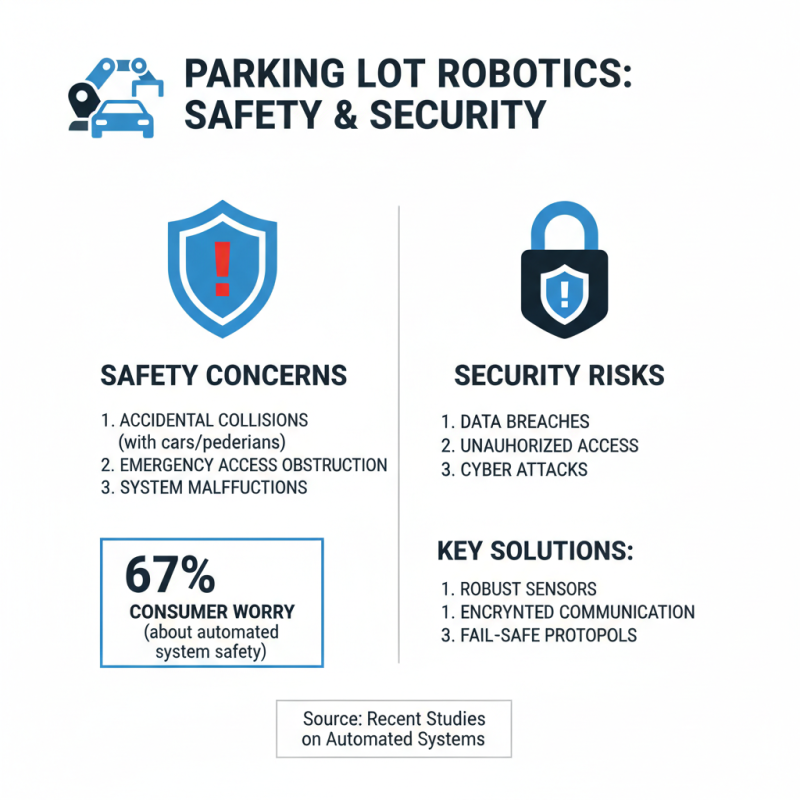
Parking lot robots are increasingly popular for vehicle management. However, safety and security remain key considerations. According to recent studies, about 67% of consumers worry about the safety of automated systems. This concern is valid. Unequipped robots could pose risks, from accidental collisions to hindering emergency access.
Robots must navigate tight spaces and interact with pedestrians. A report by the International Journal of Robotics suggests that clear pathways and proper signage can enhance safety. Employing advanced sensors can help robots detect obstacles. However, issues can arise. Faulty sensors might misinterpret their environment. This misjudgment can lead to accidents or property damage.
Cybersecurity is another critical factor. Parking lot robots connect to networks, increasing exposure to cyber threats. In 2022, a survey revealed that 40% of companies experienced cyberattacks targeting automation systems. A breach could compromise data or cause robots to malfunction. Regular software updates and cybersecurity protocols are essential to mitigate these risks. Moreover, operators must ensure backup systems are in place. This demand for reliability highlights the importance of constant monitoring and evaluation of robot systems.
Future Trends in Parking Lot Robotics and Vehicle Management
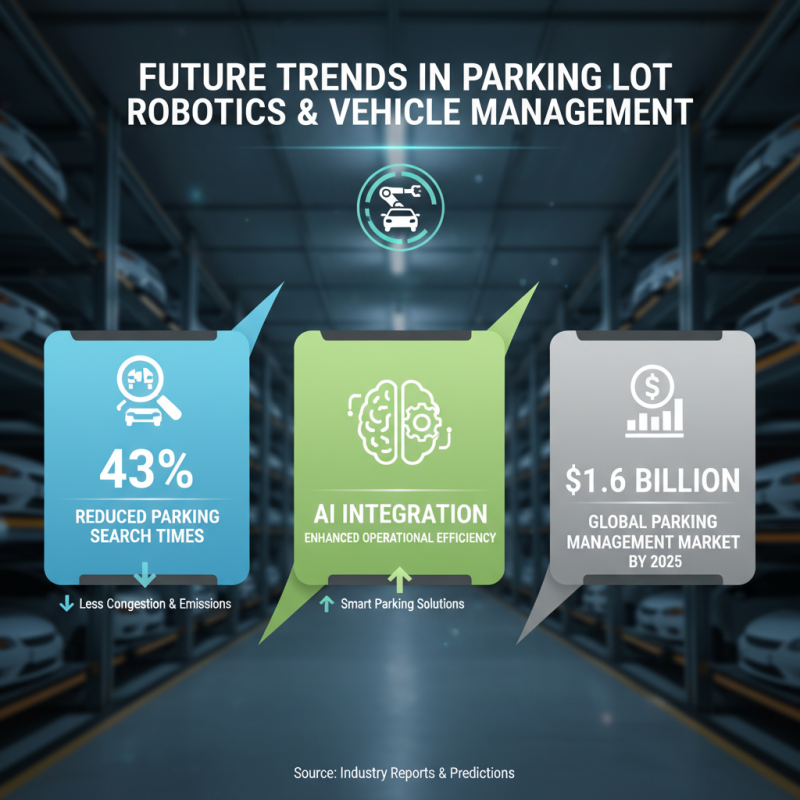
The future of parking lot robotics holds significant potential for transforming vehicle management. As urban areas continue to grow, efficient use of space becomes vital. Reports suggest that smart parking solutions can reduce search times for parking spots by up to 43%. This translates to less congestion and lower emissions in city centers. Furthermore, the integration of AI in parking robotics is expected to enhance operational efficiency. In fact, predictions indicate that the global parking management market can reach $1.6 billion by 2025.
Investing in parking lot robots can redefine space utilization. These robots can stack and retrieve vehicles autonomously, allowing for maximum parking density. However, not all facilities are ready. There may be high upfront costs and technical challenges. Additionally, ensuring seamless communication between vehicles and robots is critical for safety.
**Tips:** Focus on integrating user-friendly interfaces. Maintain a balance between automation and human oversight to address limitations. Embrace ongoing training for staff to adapt to new technologies. The future indeed looks bright, but adaptability is essential.
Revolutionizing Urban Mobility: The Impact of Vertical Rotary Parking Systems on Space Efficiency and Sustainability in 2023
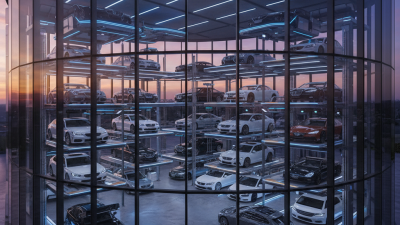
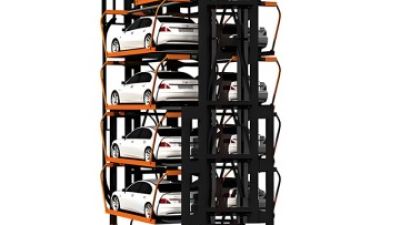
The rise of vertical rotary parking systems presents a groundbreaking solution to urban mobility challenges, particularly in high-density areas such as shopping malls and hospitals. These systems are designed for maximum space efficiency, covering just 7 by 5.8 meters of floor space while accommodating weights of up to 2350 kg. This compact design significantly minimizes the footprint required for parking, making it an ideal choice for urban environments where land is at a premium.
In 2023, the importance of sustainable urban development cannot be overstated. The vertical rotary parking system not only improves space utilization but also enhances the overall parking experience by reducing retrieval times. With a motor power ranging from 15 to 22 kW, these systems efficiently manage vehicle storage and retrieval, which helps alleviate parking congestion in busy commercial settings. Customization options available for these systems allow for tailored solutions to meet specific project needs, ensuring that diverse urban infrastructures can benefit from this innovative approach to parking. The result is a seamless parking solution that aligns with contemporary demands for efficiency and sustainability.
FAQS
: Common types include autonomous valets and robotic shuttles. They enhance vehicle management efficiency.
An autonomous valet controls parking and retrieving vehicles. It reduces human intervention through sensors and cameras.
The initial setup can be complex, requiring careful calibration and understanding of the system.
They transport vehicles between areas, minimizing congestion and saving time, but they face risks with unexpected obstacles.
Assess specific needs, layout, traffic patterns, and customer expectations to choose suitable technology.
Trained staff can operate and maintain robots effectively. Unexpected issues can arise; preparation is essential.
Collect data on efficiency and user satisfaction to identify underperforming features and make necessary adjustments.
Older facilities may not support automation. Assessing compatibility and making minor modifications can help.
Understanding existing infrastructure ensures smoother robot movement and addresses space limitations.
Being open to adjusting strategies helps overcome obstacles and leads to better outcomes in implementation.
Conclusion
Parking Lot Robots are revolutionizing vehicle management by enhancing efficiency, safety, and convenience in parking facilities. These advanced automated systems offer a range of features, including seamless vehicle retrieval and optimized space utilization. Understanding the types of Parking Lot Robots available is crucial for businesses looking to implement these technologies effectively. The implementation process involves several steps, from assessing the existing infrastructure to integrating the robots accordingly.
Moreover, data management and analytics play a significant role in enhancing the functionality of robot-enabled parking systems, allowing for better insights and operational decision-making. Safety and security considerations remain paramount, ensuring that these robots operate safely within dynamic environments. As technology evolves, the future of Parking Lot Robots promises even greater advancements in vehicle management, paving the way for smarter, more efficient parking solutions.