You know how tricky parking can be in our cities these days? It’s like everyone’s fighting for that little bit of space. One of the cool solutions gaining popularity? The Parking Lift. I’ve heard from folks like John Smith over at LiftTech Innovations that these lifts really change the game when it comes to managing space. Basically, they stack cars vertically, so you're squeezing more vehicles into tight spots — pretty smart, right? They blend smart tech with efficiency, making parking a whole lot easier, especially in busy areas.
If you're thinking about getting one, it’s good to understand how it works. Most of these lifts are pretty straightforward—they use simple mechanisms to raise or lower your car. Some models can even handle multiple cars at once, which is a big plus for business owners or folks with big families who want convenience. Plus, there’s this Auto Lift Car Lift option that a lot of people seem to like.
Of course, before jumping in, you should really think about your individual needs. Not every parking lift is perfect for every situation, so it pays to do a little homework. And don’t forget, installation can be a bit tricky — often best left to the pros. Long-term reliability also depends on good maintenance, so keep that in mind.
All in all, while there are some hurdles, the benefits are pretty clear. As parking solutions keep evolving, the Parking Lift definitely stands out as a pretty innovative way to handle our modern-day parking headaches. It’s exciting to see how these new tech twists can make life a little easier, don’t you think?
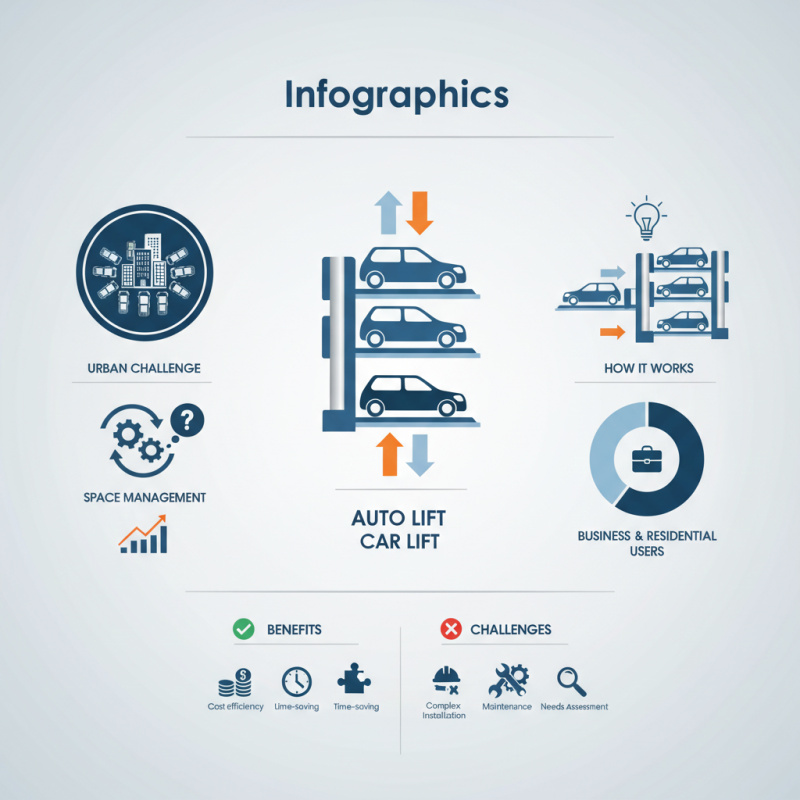
Parking lifts are innovative solutions designed to maximize space in busy urban areas. They help car owners efficiently park their vehicles in limited spaces. A parking lift elevates a vehicle, allowing another car to be parked underneath it. These systems save time and reduce congestion in crowded lots.
The Scissor Lift Car Lift is a popular type of parking lift. It features a scissor-action mechanism that raises the car vertically. This design is both compact and effective, making it suitable for residential and commercial applications. Users appreciate how these lifts streamline the parking process, especially in multi-story garages. Efficiency comes with its own challenges, though. Proper maintenance is essential. Neglecting regular check-ups can lead to mechanical failures.
Understanding how a parking lift works is crucial for users. Operators must be trained to handle the system safely. There can be a learning curve for new users, especially regarding height adjustments and weight limits. Awareness of these factors ensures a positive experience while using a parking lift.
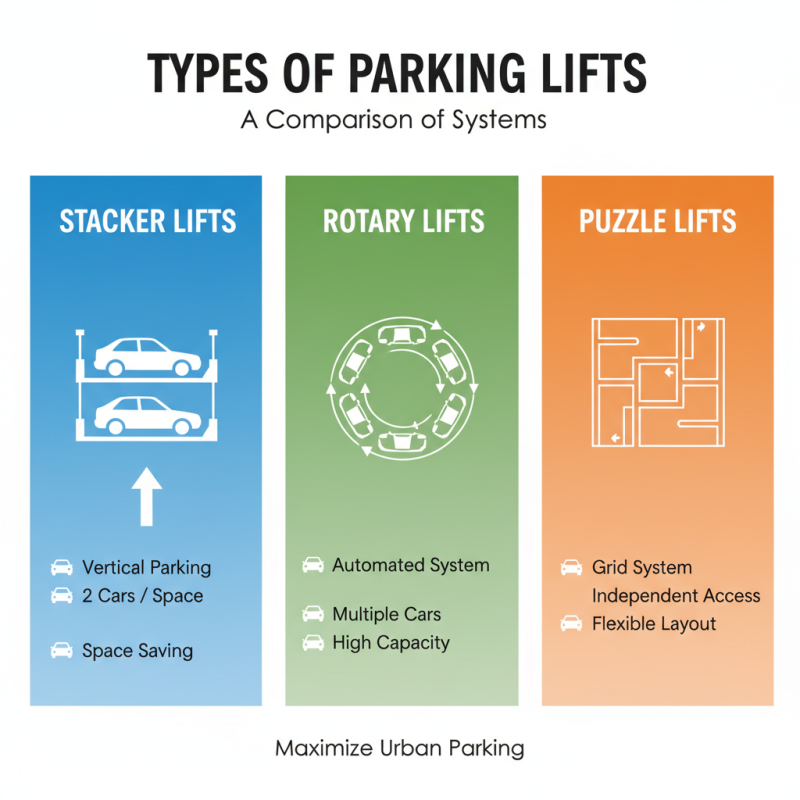
Parking Lifts are essential in maximizing space in urban environments. They offer various systems that cater to different needs. Some popular types include stacker lifts, rotary lifts, and puzzle lifts. Each system has its unique features and benefits. Stacker lifts allow two vehicles to be parked in a vertical arrangement. This saves horizontal space and can be very efficient for maximizing parking capacity.
Rotary lifts, on the other hand, rotate the vehicles into place. This system can be a good solution for facilities with limited overhead space. According to industry data, up to 60% of urban parking spaces can be utilized more effectively through parking lifts. Meanwhile, puzzle lifts use a series of lifts and platforms to stack vehicles in a tight sequence, using advanced technology to manage space.
However, it's important to consider the drawbacks. Maintenance can be more complex with intricate systems, and initial costs are higher. Parking lift systems may require specialized training for operators. Many facilities face challenges in adapting existing structures to accommodate these lifts. Balancing the benefits against potential complications is essential for any project aiming to implement parking lifts in a facility.
Parking lifts are mechanical systems that stack vehicles vertically to save ground space. These lifts use platforms that raise or lower cars, allowing multiple vehicles to occupy one parking spot. In crowded urban areas, this technology helps address the persistent shortage of parking spaces. By utilizing vertical dimensions, parking lifts effectively increase capacity without expanding the existing footprint.
Urban environments face challenges with limited real estate and growing vehicle numbers. Parking lifts offer a solution by creating multi-level parking in narrow areas. For example, a small alley or courtyard can accommodate twice or thrice the number of cars it previously held. This technology reduces the need for large parking lots, contributing to more walkable, green urban spaces. However, installation costs and maintenance may pose problems for widespread adoption.
While parking lifts enhance space efficiency, their reliance on mechanical parts makes them susceptible to breakdowns. Occasional malfunctions can cause inconvenience and safety concerns. Also, the energy consumption of these systems warrants attention for sustainable urban planning. Thoughtful integration with other transport solutions is necessary to achieve a truly efficient and reliable urban parking infrastructure.
Parking lifts are innovative solutions designed to maximize space in urban areas. They can elevate vehicles to create additional parking spots. A Car Lift Parking system functions using simple yet effective components. The most essential part is the hydraulic mechanism, which raises and lowers the platform. This ensures the car is stable during operation.
Another critical component is the control system. It allows users to operate the lift easily. Often, it's a simple button or a remote control. Safety features are also vital. They include emergency stop buttons and secure locking systems. These measures protect cars and users during operation.
Despite their efficiency, parking lifts are not without flaws. Regular maintenance is required to ensure smooth operation. Issues can arise due to wear and tear over time. Users should be aware of potential malfunctions. A thorough understanding of these components can help mitigate risks. Car lift parking systems are a fantastic way to maximize available space. However, accountability for their maintenance and proper usage is essential.
Parking lifts are essential for maximizing space in urban areas. They help efficiently stack vehicles, making them ideal for tight spaces. However, safety standards are crucial. Operators and users must follow regulations to prevent accidents. Understanding these standards ensures that the Car Parking Lift operates safely.
One important aspect of safety is regular maintenance. Inspecting the lift frequently can reveal potential issues. Even minor defects, like wear and tear on cables, should not be overlooked. Tips for maintenance include checking the hydraulic system and ensuring all safety features work properly. A well-maintained lift reduces the risk of injury.
A Car Parking Lift must comply with local codes and regulations. These guidelines often include load capacity and emergency protocols. Familiarity with these regulations is necessary for safe operation. Operators should receive training on how to use the lift safely, emphasizing the importance of following procedures. Awareness of safety practices ensures a smooth operation while minimizing risks. Consider how these standards apply in your area before installation.
Parking lifts are increasingly popular in urban areas. They maximize space and provide a solution to parking shortages. However, it's essential to assess their environmental impact.
Using parking lifts can reduce the need for extensive parking lots. This means less land is cleared for construction. Consequently, natural habitats are preserved. Additionally, they often require less concrete than traditional parking structures. This can lead to lower carbon emissions from the production of materials.
Nevertheless, parking lifts are not without drawbacks. The energy consumption of these systems can be significant. If powered by non-renewable energy sources, their benefits diminish. Continuous operation may also lead to noise pollution. Moreover, maintenance is crucial. Improper upkeep can lead to increased waste and resource consumption. This highlights the need for balanced decisions in urban planning. Keeping the environment in mind is critical for future developments.
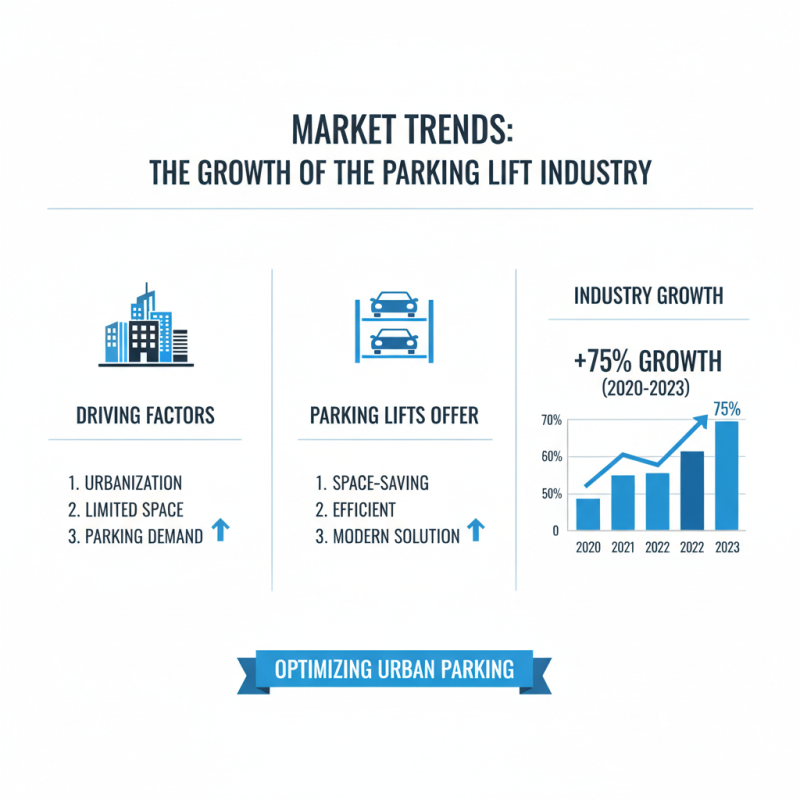
The parking lift industry is experiencing noticeable growth in recent years. Urban areas face increasing demand for efficient parking solutions. With limited space, traditional parking methods struggle to keep up. Parking lifts offer a modern, space-saving alternative. They stack vehicles vertically, optimizing available parking spots.
Technological advancements have improved the efficiency of parking lifts. These systems now include automated features, making them easier to use. However, challenges remain. Some users still struggle with the mechanics of these lifts. A lack of familiarity can lead to improper usage. This highlights the need for better user education and support.
Market trends show a rising interest in sustainable urban development. Cities are prioritizing eco-friendly solutions, including smart parking systems. The parking lift industry must adapt to these trends. As demand grows, so does the competition. Companies in this space need to innovate continually. This dynamic environment offers opportunities and challenges alike.
In the context of maximizing space efficiency within urban environments, the adoption of hydraulic car parking lifts is gaining momentum in China. These innovative parking solutions address the pressing need for effective utilization of limited parking areas, particularly in densely populated cities. By leveraging advanced technology and design, hydraulic car parking lifts streamline vehicle parking, allowing users to minimize their footprint while ensuring easy access to parked cars.
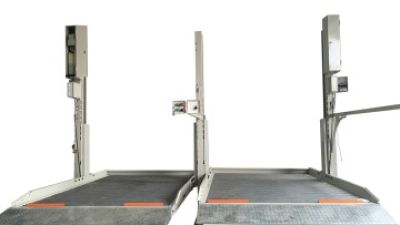
The Simple Parking System exemplifies this trend with its three innovative lift models, designed to enhance parking efficiency significantly. The dual-level two-post parking lift stands out, enabling the parking of two vehicles efficiently. Though retrieving the upper vehicle requires moving the lower one first, this model maintains practicality in space-constrained environments. With impressive lifting heights of up to 2100 mm and a robust lifting capacity accommodating various vehicle types, including SUVs and sedans, it caters to diverse customer needs. The ability to customize sizes further enhances the product's appeal, ensuring it meets specific spatial requirements.
As cities continue to evolve, embracing hydraulic car parking lifts can profoundly impact urban parking solutions. By investing in these systems, users not only save space but also contribute to a more organized and efficient urban landscape, perfectly aligned with the growing demand for practical parking solutions in China.
: The main types include stacker lifts, rotary lifts, and puzzle lifts. Each type serves different needs.
Stacker lifts park vehicles vertically. This arrangement saves horizontal space, increasing parking capacity efficiently.
Rotary lifts rotate vehicles into place. They are ideal for areas with limited overhead space, improving usability.
Yes, they reduce the need for large parking lots. This helps preserve natural habitats and lowers carbon emissions.
Parking lifts can be complex to maintain. Higher initial costs also pose a challenge for many facilities.
If powered by non-renewable energy, their benefits may decrease. Energy efficiency is crucial for maximizing their environmental advantages.
Some users struggle with lift mechanics. Proper education can prevent improper usage and enhance overall safety.
Demand for efficient parking solutions is rising. Urbanization creates a need for modern alternatives like parking lifts.
Companies must innovate to stay competitive. They must also adapt to trends in sustainable urban development.
Balanced decision-making is essential. Urban planning must consider both the benefits and potential complications of parking lifts.
A parking lift is an innovative solution designed to maximize parking space, especially in densely populated urban environments. By elevating vehicles, parking lifts allow for the efficient use of vertical space, thereby helping to alleviate parking shortages. There are various types of parking lifts, such as double-decker and puzzle systems, each offering unique benefits and efficiency improvements tailored to specific needs.
Key components of parking lifts include hydraulic systems and safety mechanisms, which ensure both functionality and user safety. Adhering to strict safety standards and regulations, these systems also contribute positively to environmental sustainability by reducing land use for parking. With a growing demand driven by urbanization, the parking lift industry is experiencing significant market trends, reflecting its role in addressing the challenges of space management in cities.