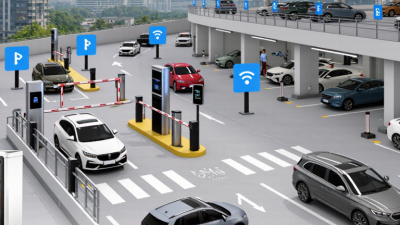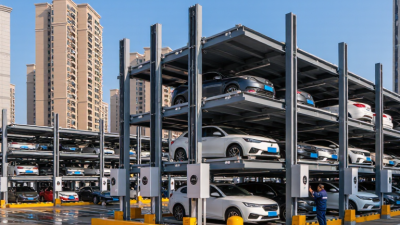
So, a parking elevator is basically a lift that moves cars between levels—no long driving ramps. It lets a garage squeeze more cars into a tight footprint. The driver just pulls onto a marked platform, sets the brake, gets out, and the system carries the car to another level. The exact sequence depends on the setup. Some designs you’ll see rely on having attendants around, while others just trust the automated controls, sensors, and interlocks to handle things on their own.
You’ve probably heard of parking scholar Donald Shoup—he’s the one who wrote, “The right price for curb parking is the lowest price that leaves one or two spaces open on each block.” Okay, he was talking about street parking, not elevator mechanics. But the point still holds: parking systems should serve real demand, not just stash cars somewhere. A parking elevator can definitely change how you use space, sure. But it also brings moving parts, extra operating steps, and maintenance you can’t ignore. So raw capacity? Not the whole story.
Let’s walk through the basics—main components, how the operating cycle works, common system types, and the trade-offs you’ll actually face. We’ll also touch on vehicle dimensions, user access, safety, power requirements, and service planning. A compact setup can look great on paper, sure. But in real daily use? Things can get messier. Long queues, odd vehicle sizes, or a piece of equipment going down—any of those can throw a wrench in convenience. So it’s worth digging into those details before you settle on a system.
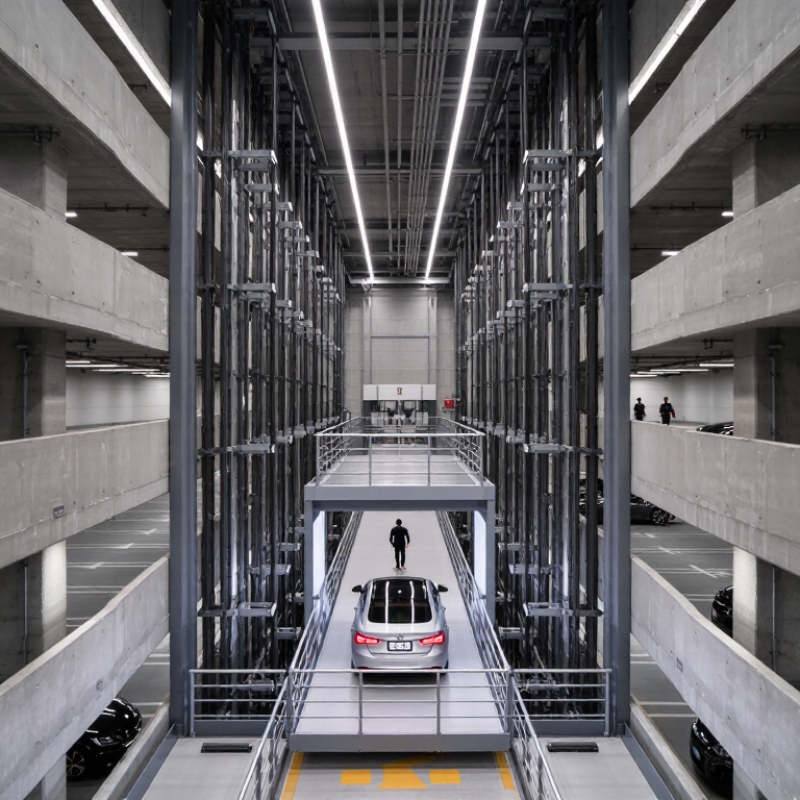
A parking elevator is a mechanical structure that moves vehicles between vertically arranged parking spaces. Instead of driving along ramps, a driver places a car on a platform, and the system raises or lowers it to an available level. The platform may travel vertically, while some designs also shift cars sideways. Elevator Parking is a space-saving approach for sites where land is limited or ramps would take up too much room.
The system typically includes a steel frame, a vehicle platform, a motor or hydraulic drive, and controls that guide movement. Sensors can check the platform position and help prevent operation when a door or safety barrier is open. The exact arrangement varies: some systems require an attendant, while others let drivers operate controls themselves. It saves space. But it is not simply a lift with parking spaces attached.
A parking elevator can serve a small residential building or a larger facility, depending on its design and capacity. Before choosing one, planners need to consider vehicle dimensions, expected traffic, maintenance access, and what happens during a power interruption. These details are easy to overlook in a tidy drawing. A system may look efficient on paper, yet feel inconvenient if drivers wait too long or the platform cannot accommodate common vehicles.
A parking elevator moves vehicles between levels using a load-bearing platform and a guided lifting system. The platform must support the vehicle’s weight evenly, while guide rails help keep its travel stable. Depending on the design, a hydraulic cylinder or electric motor supplies the lifting force. Frames, beams, and anchor points transfer loads into the building or foundation. Each part has a job.
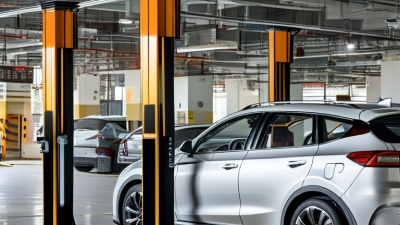
The control panel coordinates movement and monitors safety devices, such as position sensors, limit switches, and door interlocks. These components help prevent operation when a gate is open or the platform is outside its intended position. In Elevator Car Parking systems, the vehicle platform may travel vertically, while a separate mechanism moves it into a storage bay. Configurations vary, so capacity and operating steps should follow the system’s technical documentation.
One detail is easy to overlook: sensor alignment can affect reliable operation.
Tips: Keep the platform clear of loose objects, and observe posted load limits. Check that entry and exit clearances suit the vehicle. Small details matter. Routine inspections by qualified technicians can identify wear in cables, rails, or hydraulic parts before it becomes a larger maintenance issue.
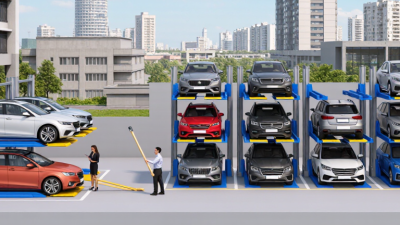
A Car Parking Elevator moves vehicles vertically, but the layout determines how drivers enter and retrieve them. Two-level puzzle systems use sliding platforms and lifts to fit cars into compact rows. They suit small lots, though one blocked platform can delay access. Tower systems stack vehicles in a narrow shaft. Drivers leave the car on a ground-level platform, and sensors check its position before lifting it. Compact, but not instant.
Pit systems place platforms below ground, preserving street-level space while adding excavation and drainage needs. Shuttle systems move cars sideways on rails, then transfer them to a lift. They can serve larger banks of spaces, but require coordinated controls and regular inspection. Small details matter: vehicle height limits, platform clearances, and backup power affect everyday use. A low ceiling can rule out a design.
The Victoria Transport Policy Institute’s Parking Solutions review uses about 300 square feet per vehicle as a planning estimate for conventional parking, including access space. That benchmark helps explain the appeal of stacked designs, but it is not a guaranteed saving for every site. Actual capacity depends on equipment layout, safety clearances, and service access. A design can look efficient on paper and still frustrate drivers during peak retrieval periods. That trade-off deserves a site-specific review.
A parking elevator moves a vehicle vertically between parking levels using a powered platform or carrier. The driver enters a marked bay, aligns the wheels, and leaves the vehicle in the instructed position. Sensors check the platform area and help confirm that the car is correctly placed before movement begins. The elevator then raises or lowers the vehicle to an available space. Some systems move only vertically; others combine lifting with a rotating or sliding platform to fit tight layouts. That is the basic cycle.
Motors, guide rails, brakes, and control systems coordinate the movement. Safety interlocks are designed to stop operation if a door is open or an obstruction is detected. A trained operator may manage the process, or the user may select a space through a control panel. The exact steps depend on the system. It is easy to assume every parking elevator works at the same speed, but vehicle weight, platform design, and building layout can change the experience. Waiting can feel awkward, especially when the car behind you is close.
Tips: Follow the posted weight and size limits. Center the vehicle, secure loose items, and wait for the platform to stop fully before entering or exiting. If the instructions seem unclear, ask an attendant rather than guessing. Small details matter.
| Aspect | How It Works | Practical Details |
|---|---|---|
| Definition | A parking elevator is a powered vehicle-lifting system that moves a car between different vertical levels. | It may serve a parking platform, transfer vehicle, or form part of a larger automated parking system. |
| Vehicle platform | The vehicle is positioned on a rigid platform or carrier that supports its tires while it is raised or lowered. | Platform size and rated load depend on the system design and the vehicles it is intended to handle. |
| Lifting drive | A motor-driven mechanism moves the platform vertically. Depending on the design, this may use chains, cables, screws, or hydraulic equipment. | There is no single drive type used by every parking elevator; lifting speed and capacity vary by system. |
| Guidance and support | Guides and supporting structures keep the platform aligned as it travels between levels. | These components help control platform movement and transfer forces to the building or supporting frame. |
| Loading the vehicle | The driver follows the positioning instructions and parks the vehicle on the platform or designated transfer area. | Correct positioning, vehicle dimensions, and weight limits are important for safe operation. |
| Vertical movement | After the system confirms that operating conditions are met, the lift raises or lowers the platform to the selected level. | Controls may be operated by a user or coordinated by an automated parking system. |
| Parking and retrieval | At the destination level, the vehicle may remain on the platform or be transferred to a parking space. Retrieval reverses the sequence. | Some installations only move cars between floors; others include equipment that transfers cars into and out of storage spaces. |
| Controls and interlocks | Sensors and control logic can check conditions such as platform position, access-door status, and whether the lift path is clear. | Interlocks are designed to prevent movement when required operating conditions are not satisfied. |
| Safety features | Depending on the design, safety provisions may include mechanical restraints, overload monitoring, emergency stops, and protective barriers or doors. | Specific features and inspection requirements vary by equipment type and local rules. |
| Typical applications | Parking elevators are used where vehicles need to move between parking levels and a conventional ramp is impractical or space is limited. | They can be installed in residential, commercial, or other parking facilities, subject to site and design requirements. |
Note: Operating sequence, lifting mechanism, capacity, and safety provisions differ among systems. Always follow the equipment instructions and posted vehicle limits.
In an Elevator Parking Garage, a parking elevator moves a vehicle between levels on a guided platform. Safe operation starts before the platform moves. The driver parks within marked boundaries, applies the brake, and follows the posted instructions.
Sensors may check platform position, door closure, and obstacles. Interlocks prevent movement when required doors are open. Load limits matter. An overloaded platform can strain mechanical parts and compromise safe operation.
Controls should be clear and reachable from a protected location. Operators use them to select a level, start movement, and stop the system if something seems wrong. Emergency-stop buttons provide a direct way to halt motion, though they do not replace routine checks or trained supervision. Some systems also have alarms or backup lowering procedures; the exact features vary by design.
Keep people clear of the platform and its travel path. A checklist helps, but it can still be rushed on a busy morning. That is a real weakness.
Regular inspections should test sensors, brakes, doors, and emergency controls, with faults addressed before normal use resumes.
Parking elevators are used where land is scarce but vehicle storage is needed. In dense city centers, they can fit into narrow lots between existing buildings. A driver enters a ground-level bay, and a lift moves the car to an available level. Some systems store cars vertically; others combine lifting with rotating platforms. They are also found in apartment buildings, hotels, offices, and vehicle showrooms. Quiet operation matters near homes.
These systems suit sites with limited space and predictable parking demand. A small basement, compact courtyard, or tight property line may make a conventional ramp impractical. Residents may use assigned spaces, while hotels need a clear handoff area for guests. Elevators are less useful when frequent retrieval creates queues. Access height, vehicle size, fire protection, drainage, and backup power need careful review. A lift can save space, but it does not remove every site constraint.
Tips: Check the largest vehicle dimensions, not just the average car. Keep the entry bay clear, and ask how the system operates during a power outage. Confirm who handles routine inspections. Small details matter. Early drawings can miss awkward turning angles, so a second review is worthwhile.
Vertical car parking solutions are gaining attention as automotive lift market research highlights the value of using available space more efficiently. By stacking vehicles, these systems can increase parking capacity without expanding a parking area, making them a practical option for locations where space is limited. Choosing a suitable lift depends on vehicle size, required load capacity, ceiling clearance, and how often each parked vehicle needs to be accessed.
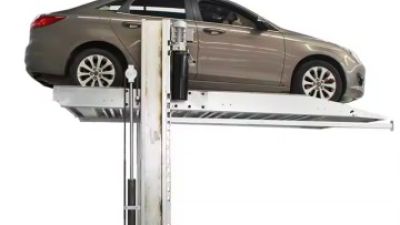
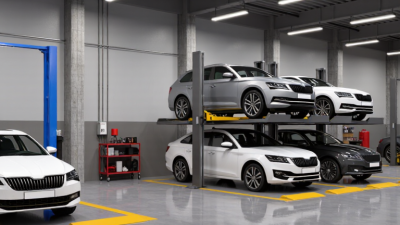
A simple two-post parking system is available in three models, each providing two levels for two vehicles. The lower-level vehicle can be parked or retrieved at any time. To park or remove the vehicle on the upper level, however, the lower-level vehicle must first be moved. The system has a maximum lifting height of 2,100 mm, with model-specific maximum load capacities of 2,700 kg, 2,300 kg, and 3,200 kg. It is suitable for sedans and SUVs, and its dimensions can be customized to meet customer requirements. When evaluating vertical parking equipment, users should match the selected model to their vehicles and consider whether the access arrangement fits their daily parking routine.
It moves vehicles between levels using a load-bearing platform and guided lifting system. Rails help keep the platform stable. A hydraulic cylinder or electric motor provides the lifting force, depending on the design.
A control panel coordinates operation. Position sensors, limit switches, and door interlocks help prevent movement in certain unsafe conditions. Sensor alignment matters.
Keep loose objects off the platform, observe posted load limits, and check vehicle clearances. A low ceiling or wide mirror can complicate positioning. Small details matter.
They use sliding platforms and lifts to fit cars into compact rows. One blocked platform may delay access to another vehicle. Not always convenient.
Drivers leave the car on a ground-level platform, which then lifts into a narrow shaft. Sensors check the vehicle’s position before lifting. Retrieval may not be immediate.
Pit systems preserve street-level space but require excavation and drainage planning. Shuttle systems move cars sideways on rails before transferring them to a lift. Their controls need coordination and regular inspection.
No. About 300 square feet per vehicle is a conventional parking planning estimate, including access space. It is only a benchmark. Equipment layout, safety clearances, and service access affect actual capacity. Paper plans can mislead.
Qualified technicians can inspect cables, rails, and hydraulic parts for wear. Follow the system’s technical documentation for capacity and operating steps. A tidy plan can still frustrate drivers during peak retrieval times, so review site conditions carefully.
A Parking Elevator is a mechanical system that moves vehicles vertically to make better use of limited space. Its main components typically include a lifting platform, support structure, drive mechanism, sensors, and operating controls. Designs vary: some lift one vehicle between levels, while others form part of a larger arrangement that stores multiple cars in compact spaces. Each design is selected to suit the available area, vehicle capacity, and expected pattern of use.
To move a vehicle, the system positions it on a platform and raises or lowers it to a designated level. Safety features such as load sensors, locking mechanisms, barriers, and emergency stops help keep the platform stable and prevent operation when conditions are unsafe. Clear controls guide users through loading and retrieval. Parking elevators are used in places where ground space is limited, including residential buildings, commercial properties, and parking facilities. Their layout and capacity depend on the site and the needs of its users.