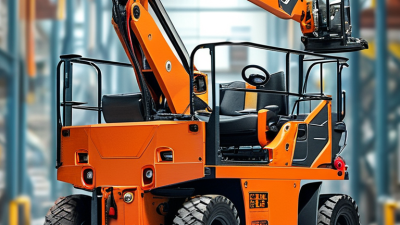
Hydraulic lifts, which you can check out [here](https://www.maihaishengparking.com/hydraulic-lift), really play a key role in all sorts of industries—whether it's construction sites or fixing up cars in a garage. According to some reports from MarketsandMarkets, this market’s set to grow quite a bit, mainly because more folks are looking for efficient ways to lift heavy stuff. These systems work using fluid mechanics to hoist loads, making them pretty much essential for modern work settings.
So, how do they actually work? Well, they’re based on Pascal’s principle—basically, when you apply pressure to a confined fluid, that pressure spreads out evenly in all directions. That’s what lets workers lift really heavy things without breaking a sweat. But hey, they’re not perfect—leaks or mechanical hiccups can happen, so regular maintenance is a must.
Experts usually stress the importance of doing routine checks and making sure anyone operating these lifts is properly trained. Even though they’re super effective, if you don’t handle them carefully, they can be a safety hazard. So, it’s really important to understand how they work and what their limits are—helps keep everyone safe and gets the most out of these lifts without any issues.
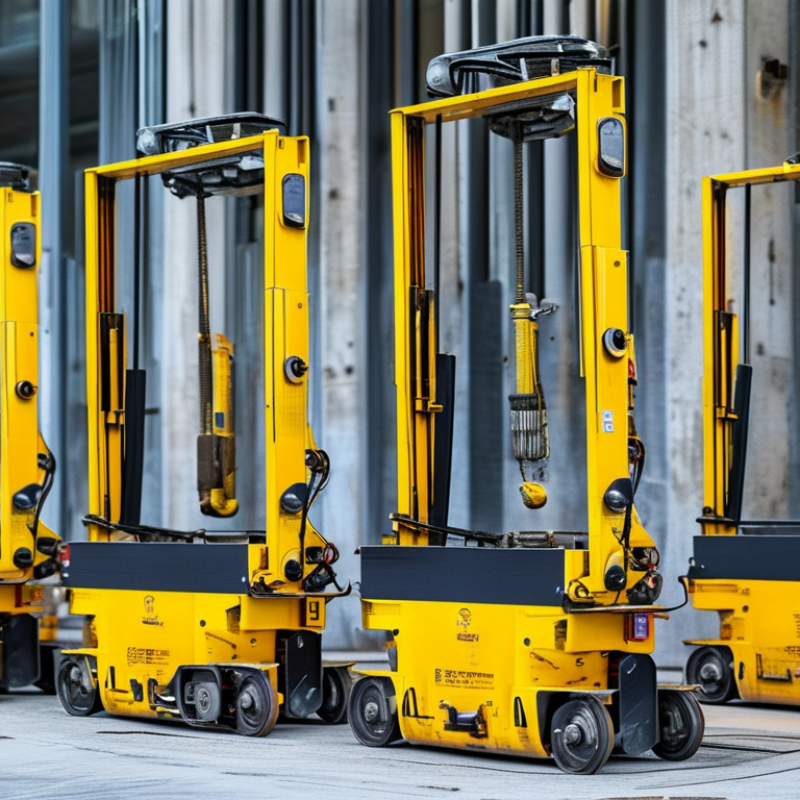
What is a Hydraulic Lift?
A hydraulic lift is an essential tool in many industries. It uses fluid mechanics to raise heavy objects. The design allows for significant weight lifting with minimal effort. Typically, hydraulic lifts consist of a cylinder filled with hydraulic fluid. When pressure is applied, it moves the fluid, lifting the connected platform. This mechanism makes it popular in automotive shops and construction sites.
In the automotive world, a Hydraulic Car Lift facilitates repairs and maintenance. It raises vehicles safely off the ground. This offers mechanics better access to undercarriages and wheel systems. However, it's crucial to ensure the lift is regularly maintained. Regular checks help prevent accidents and equipment failure.
**Tip:** Always check the maximum load capacity of your hydraulic lift. Overloading can lead to malfunction or accidents. It's better to lift lighter loads than risk your safety.
Proper usage is key. Using a hydraulic lift requires training. Operators should understand its workings fully. Misuse can lead to injuries or critical failures. Ensure that everyone using the equipment is adequately trained.
The Basic Principle of Hydraulic Systems
Hydraulic systems are built on a fundamental principle: Pascal's Law. This principle states that a change in pressure applied to a fluid in a closed system is transmitted equally in all directions. This means that a small force applied on a small area can create a much larger force over a larger area. This mechanism is what allows hydraulic lifts to function effectively.
In practical terms, hydraulic lifts use cylinders filled with hydraulic fluid. When pressure is applied to the fluid in one cylinder, it pushes the fluid into another cylinder, causing the lift to rise. Each component must be precisely designed to avoid leaks and ensure safety. However, even with great engineering, imperfections can occur. Small leaks can lead to a gradual loss of fluid, affecting performance. Regular maintenance helps identify these issues early.
Understanding the basics of hydraulic systems provides insights into their advantages and potential challenges. The efficiency and power of hydraulic lifts are evident, but operators must remain vigilant about their maintenance and potential flaws. It’s essential to recognize that even the most advanced hydraulic systems require ongoing attention to perform reliably.
What is a Hydraulic Lift and How Does it Work?
| Dimension |
Description |
| Operating Principle |
Based on Pascal's principle, which states that pressure applied to a confined fluid is transmitted undiminished in every direction. |
| Key Components |
Hydraulic fluid, cylinders, pumps, and valves. |
| Applications |
Used in construction machinery, automotive lifts, and manufacturing equipment. |
| Advantages |
High lifting capacity, smooth operation, and precise control. |
| Disadvantages |
Potential for fluid leaks, maintenance requirements, and environmental impact. |
| Safety Considerations |
Proper maintenance, regular inspections, and operator training are essential to ensure safety. |
Components of a Hydraulic Lift
Hydraulic lifts are essential in various industries. They lift heavy loads efficiently using hydraulic power. Understanding their components helps grasp their functionality.
The main components include the hydraulic cylinder, pump, and fluid. The hydraulic cylinder is the core. It converts fluid power into mechanical force. The pump generates pressure to push the fluid into the cylinder. Hydraulic fluid, usually oil, facilitates movement and lubrication.
Tips: Maintain your hydraulic lift regularly. Check for leaks and ensure proper fluid levels. A well-maintained lift operates smoothly and extends its lifespan.
It's important to note how these components interact. If one part fails, the system may become unreliable. Consider the pump’s efficiency; an aging pump may not deliver optimal pressure. Regular assessments can prevent breakdowns.
How Hydraulic Pressure Generates Lift
Hydraulic lifts are impressive machines that utilize hydraulic pressure to generate lift. This mechanism relies on fluid dynamics, allowing for the transfer of force. At the core of this system are two cylinders filled with hydraulic fluid. When pressure is applied to one cylinder, it forces the fluid into the other cylinder. The weight of the object being lifted pushes down on the fluid, creating an upward force that can lift heavy loads with minimal effort.
The effectiveness of hydraulic lifts lies in Pascal's principle. This principle states that pressure applied to an enclosed fluid is transmitted undiminished throughout the fluid. As a result, even small input forces can generate significant outputs. However, it's essential to consider that not all hydraulic systems are foolproof. A leak, for instance, can severely compromise the lift's ability to function effectively. Regular maintenance and inspections are crucial to ensure reliability and safety.
Another point to reflect on is the environmental impact of hydraulic fluids. While they are essential for operation, spills can pose risks to ecosystems. Manufacturers must strive for eco-friendly alternatives. Balancing efficient lift capability and environmental responsibility is an ongoing challenge in hydraulic technology.
Applications of Hydraulic Lifts in Various Industries
Hydraulic lifts are essential in multiple industries. They provide efficient vertical movement of heavy loads. In construction, a 2 Post Hydraulic Lift can elevate machinery and materials safely. This efficiency reduces project timelines and enhances worker productivity.
The automotive industry heavily relies on hydraulic lifts for vehicle maintenance. According to a report by Research and Markets, the hydraulic lift market is projected to grow significantly, driven by increasing demand for lifting equipment. Mechanics use hydraulic lifts to access vehicle parts easily. This reduces the risk of injury from improper lifting techniques.
In warehouses, hydraulic lifts streamline operations. They allow smooth transport of goods between levels. Workers can quickly load and unload products, improving overall logistics. However, not all warehouses utilize such technology efficiently. Some still depend on manual processes, leading to delays. The choice to adopt hydraulic systems reflects a company's commitment to innovation and safety.
Advantages of Using Hydraulic Lifts
Hydraulic lifts have become a popular choice in various industries, often praised for their efficiency and effectiveness. The advantages of using hydraulic lifts are numerous, making them a reliable solution for many lifting needs. According to industry reports, hydraulic systems can handle weights up to 80% more than mechanical systems of comparable size. This means they are ideal for heavy-duty tasks, particularly in automotive workshops and warehouses.
One key advantage is precision. Hydraulic lifts can raise and lower heavy loads smoothly, reducing the risk of accidents or mechanical failures. Implementing a Hydraulic Garage Lift can improve workflow, helping businesses save time. A recent study indicated that operations using hydraulic lifts experienced a 20% increase in productivity over those relying solely on manual lifting methods.
Tip: Regular maintenance is crucial for hydraulic systems. Check fluid levels and inspect hoses to ensure optimal performance. Neglecting maintenance can lead to unexpected failures and costly downtimes. Operators should also be trained to recognize early signs of wear or malfunction. Investing in training may initially seem unnecessary, but it can prevent larger issues down the line. Ultimately, the benefits of hydraulic lifts are significant, but awareness of their limitations is equally important.
Hydraulic Lift Advantages
Safety Measures and Maintenance for Hydraulic Lifts
Hydraulic lifts are essential in various industries, often used in settings like a Hydraulic Lift Garage. Regular maintenance is crucial for safety and efficacy. Proper maintenance includes inspecting hydraulic fluid levels. Check for leaks regularly. If the fluid is low or dirty, it can cause operating issues.
Inspect all moving parts and ensure there’s no excessive wear. Lubricate components to prevent friction. A well-lubricated system operates smoothly and makes lifting easier. Watch for odd noises during operation. Any strange sounds may suggest mechanical problems needing immediate attention.
Tips for safe operation include training all users thoroughly. Ensure everyone understands how the hydraulic lift works. This knowledge can prevent accidents. Only use the lift as intended. Avoid overloading it, as this can damage the lift and injure users. Always adhere to posted weight limits. A safe hydraulic lift garage demands vigilance and routine checks to remain functional and safe for everyone.
FAQS
: The key components include the hydraulic cylinder, pump, and hydraulic fluid.
It converts hydraulic fluid power into mechanical force to lift loads.
The pump generates pressure, pushing the fluid into the hydraulic cylinder.
Regular checks prevent leaks and ensure optimal fluid levels, extending the lift's lifespan.
Pascal's principle states that pressure in a fluid is transmitted undiminished throughout it.
Yes, leaks or aging components can hinder performance and safety.
They generate upward force by transferring fluid pressure from one cylinder to another.
Yes, spills can harm ecosystems, prompting the need for eco-friendly alternatives.
Consider regular inspections to address potential leaks and mechanical aging.
Balancing effective lifting and environmental care can present ongoing challenges.
Conclusion
A Hydraulic Lift is an essential mechanical device that employs the principles of hydraulics to elevate heavy loads with ease. At its core, a hydraulic system operates on the principle that pressure applied to a confined fluid is transmitted undiminished in all directions, allowing for efficient lifting. The key components of a hydraulic lift include a hydraulic cylinder, piston, and fluid reservoir, all of which work together to generate lift through hydraulic pressure.
These lifts find diverse applications across various industries, from construction and automotive to manufacturing and warehouses, owing to their ability to handle significant weight while occupying minimal space. Their benefits include increased safety, efficiency, and versatility compared to traditional lifting methods. To ensure optimal performance and longevity, regular maintenance and adherence to safety measures are crucial for hydraulic lifts, making them a reliable choice for many operational needs.