Leave Your Message
Choosing the right parking equipment in 2026 isn’t just about picking the one with the coolest features or the longest list. It’s really about matching the tech to the actual conditions of your site. Think about a busy city garage, a hospital parking lot, or a small office lot—they all have different traffic flows, staffing limitations, and payment needs. The goal is to keep vehicles moving smoothly, even during those rush-hour crushes, and to make sure the system stays reliable when it counts.
Did you know that INRIX’s 2023 Global Traffic Scorecard found that U.S. drivers spent an average of 42 hours stuck in traffic that year? And according to UN DESA’s World Urbanization Prospects, by 2050, about 68% of the world’s population will be living in cities. While those stats don’t directly tell you about parking tech performance, they definitely highlight why it’s crucial to think about entry speed, payment accuracy, and capacity before you buy. A quicker, smoother entrance really makes a difference.
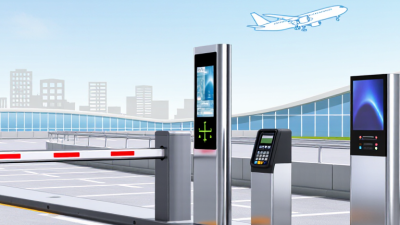
So, when you’re comparing options—things like gate barriers, ticketless access systems, license-plate recognition, payment terminals, and occupancy sensors—make sure they fit your actual workflow. Check how well they play with your existing software, what kind of maintenance they need, how they handle outages, and what the total cost of ownership will be. Don’t hesitate to ask suppliers for proof of uptime, details on integration, warranty info, and references from similar sites. Seeing a live demo is also super helpful—you might notice slow scans, confusing screens, or queues that you wouldn’t catch just from a brochure. But keep in mind, no demo can predict every possible glitch. So, it’s smart to look at local traffic data, get feedback from your staff, and test your assumptions before you make a final call. The best system isn’t always the newest one—it’s the one your team can run, maintain, and improve with confidence over time.
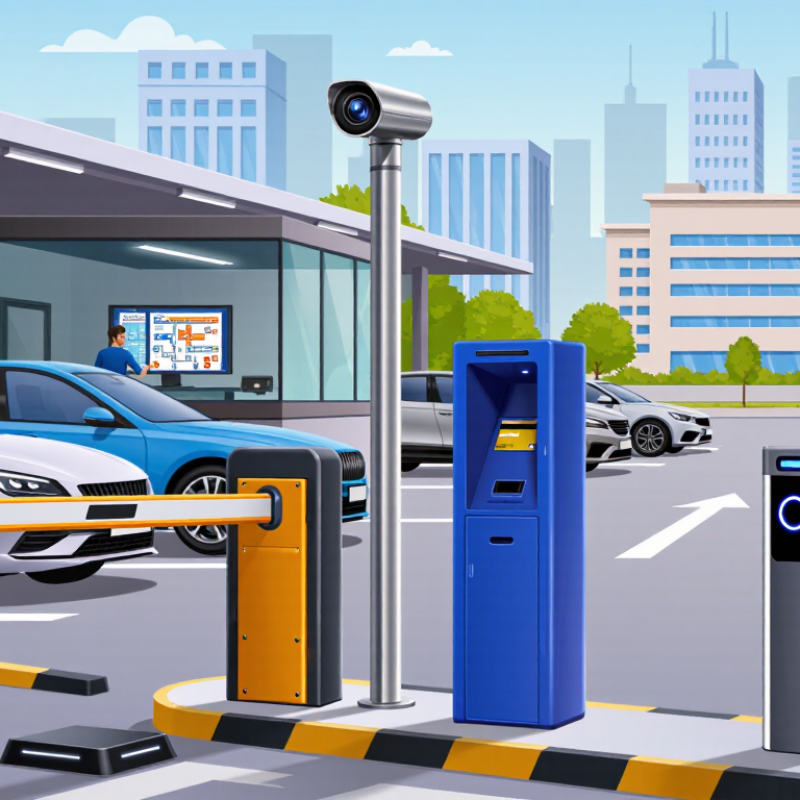
Before choosing parking equipment, measure demand at the busiest hour, not just the total number of spaces. Record how many vehicles arrive, how long they stay, and when queues form. A quiet Tuesday can give a misleading picture. Compare weekday peaks with weekend events, seasonal surges, and nearby office or retail schedules. Leave room for accessible spaces, loading areas, and safe pedestrian routes; usable capacity is not simply the painted stall count.
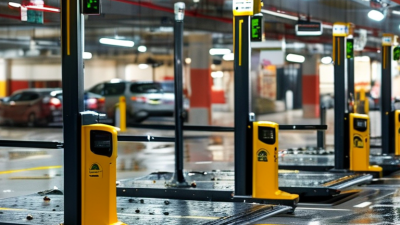
Operational needs shape the equipment choice. A small lot with steady traffic may need simple access controls, while a busy facility may benefit from faster entry processing and space-occupancy sensors. Check lane width, ceiling height, sightlines, and power availability before specifying gates, signs, or guidance displays. If the property includes a vehicle service area, assess Garage Lifting Equipment separately; its clearances and safety procedures differ from those of parking systems. Staff should also know how to respond when a ticket reader or sensor fails.
Use actual counts where possible, then test the estimate against a busy day. The numbers may still be imperfect. That is worth acknowledging. Review them with operators who handle queues, payment questions, and maintenance calls. A modest capacity forecast with room to expand is often more useful than buying equipment for a rare peak that the site cannot safely accommodate.
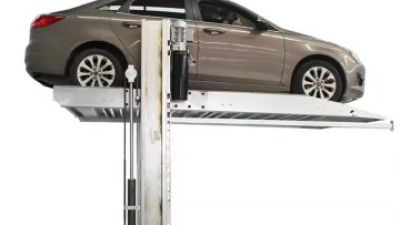
A CE-certified hydraulic two-post car lift can help urban properties make better use of limited parking space by storing two vehicles in the footprint normally needed for one. Its two-level design suits residential buildings, workshops, and commercial parking areas where expanding outward is difficult. The lower vehicle remains accessible at any time, while the upper vehicle can be parked or retrieved once the lower vehicle has been moved. This arrangement offers a practical way to increase capacity without making everyday parking unnecessarily complicated.
Available in three models, the system provides a maximum lifting height of 2,100 mm and load capacities of 2,700 kg, 2,300 kg, or 3,200 kg, accommodating a range of sedans and SUVs. Hydraulic lifting supports straightforward operation, while the two-post structure helps keep the parking area accessible. As a China-based manufacturer and supplier, the factory can customize dimensions to suit site conditions and vehicle requirements, making it easier to integrate the lift into compact urban spaces and improve the use of existing parking facilities.
Count peak-hour arrivals and note queue lengths. A small office lot may need a barrier and clear payment options. A busy retail site may need occupancy sensors and directional signs.
Check power, network coverage, drainage, and weather exposure. Walk the site during a busy period. Turning angles can surprise you.
It may help when floor space is limited. Check ceiling height, structural suitability, and maintenance access first. A tidy plan can still miss awkward clearances.
Check barrier visibility, reliable vehicle sensors, guarded moving parts, and clear emergency controls. Keep pedestrian routes away from busy entry lanes. Small details matter.
Watch drivers use it in daylight and after dark. Controls should be reachable, and instructions should be brief. A trial may still miss seasonal problems.
Coastal air, road salt, dust, and frequent stops can wear equipment differently. Ask about corrosion protection, cycle tests, and maintenance intervals. “Maintenance-free” sounds doubtful.
Include delivery, installation, electrical work, floor changes, inspections, servicing, and replacement parts. Check lighting and ceiling clearance too. Paperwork matters.
Request an itemized estimate, a site assessment, and references from similar installations. Confirm warranty coverage, technician response times, and parts availability. I might be overcautious, but vague promises deserve questions.
Choosing the best Parking Equipment in 2026 starts with understanding how many vehicles your site needs to accommodate and how it will operate day to day. Consider peak-hour demand, vehicle types, staffing, and the level of automation you need. Then compare equipment options—such as barriers, payment machines, access-control systems, and space-management tools—to find a combination suited to your location rather than choosing features you may not use.
A careful site assessment can reveal how layout, traffic flow, pedestrian routes, and accessibility needs should shape installation. Compare each option for safety, durability, maintenance demands, and ease of use for both drivers and operators. Check that any smart features can work with your existing systems and support future upgrades. Finally, estimate the total cost, including installation, servicing, and ongoing operation, and choose a supplier with clear technical support and dependable service. These steps help create a practical, efficient parking setup that fits both your site and budget.