Picking out a car stacker lift in 2026 isn’t just about comparing prices or the maximum height it can lift. A smart choice really starts with understanding your parking space. Grab a tape measure and check your ceiling height, the length of your vehicle, how far apart the columns need to be, the condition of your floor, and how much room you have to turn around. Even a few centimeters can make a big difference—whether parking every day feels smooth or just plain frustrating. Don’t forget to consider the total weight of your car, any passengers, and stuff you might store inside. And yeah, don’t rely solely on what the sales pitch says about the lift’s capacity—look deeper.
Lately, I’ve seen projects where the key is making sure the lift actually fits how you plan to use it. For example, a small two-post lift might be perfect for a home garage, but if you’re dealing with heavier or bigger vehicles, a wider four-post system could give you much better stability. Things like how well the hydraulic system performs, the locking positions of the platform, emergency lowering features, how well it resists rust, and how easy it is to access the control panel—these all matter a lot. Ask for proof—load test reports, installation info, maintenance schedules, and warranty details. Really good manufacturers like BendPak or Rotary, or trusted regional brands, should provide clear, solid technical info—not just vague promises.
And don’t forget about installation quality. Even if the concrete looks fine on the surface, there might be cracks or it might not be thick enough underneath, which can cause big headaches later. It’s worth having a qualified technician check out the site before you place an order. Also, double-check local building codes, electrical rules, and workplace safety requirements—these steps are often skipped but are super important.
When you’re comparing options, think about noise levels, how fast the lift goes up, how easy it is to get service parts, and what energy costs look like over time. The cheapest lift upfront can turn into a money pit with ongoing repairs. On the flip side, spending more doesn’t always mean you’re getting the best deal either. Take a good look at the specs, ask questions about anything unclear, and picture how it will perform a few years down the line. Sure, mistakes happen—that’s human—but rushing your decision just makes fixing any errors harder later on.
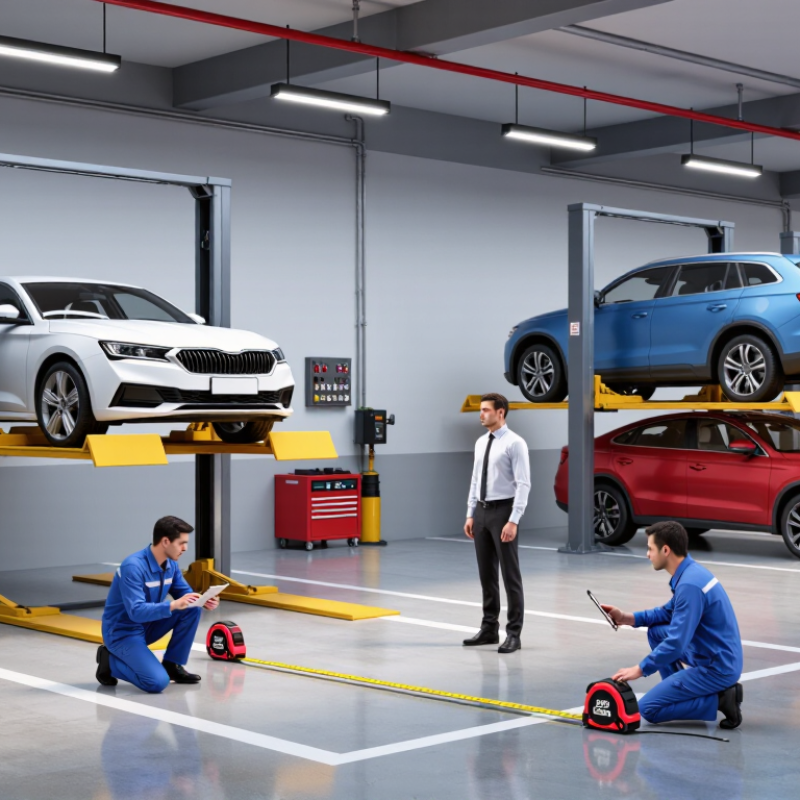
Define Your Vehicle Storage Needs and Available Space
A Car Lift Stacker should begin with your storage plan, not its advertised capacity. Measure every vehicle, including mirrors, roof racks, and raised tailgates. Record each vehicle’s length, width, height, and weight. Then compare these figures with your available floor area and ceiling clearance. Leave space for doors, walking paths, lighting, and routine maintenance. A tight fit may look efficient, but it can make daily parking frustrating. It may also increase contact risks during loading.
Tips: Use a tape measure twice. Mark the parking outline with floor tape. Check the concrete slab’s condition and thickness with a qualified professional. Confirm that the lift’s rated capacity exceeds your heaviest vehicle, not just your average one. Include room for hydraulic components, ramps, and emergency access. Small details matter.
Think about how often each vehicle moves. A collector car used monthly may suit a different layout than two daily-use vehicles. Consider loading order, driver visibility, and whether one platform blocks another. In practice, installation advice is valuable because drawings rarely show every obstacle, such as a low beam or uneven floor. I would also question my first layout. The most compact arrangement is not always the most usable. Leave practical clearance around moving parts and inspect the system regularly according to the manufacturer’s instructions.
Compare Car Stacker Lift Types and Operating Mechanisms
How to Choose a Car Stacker Lift in 2026?
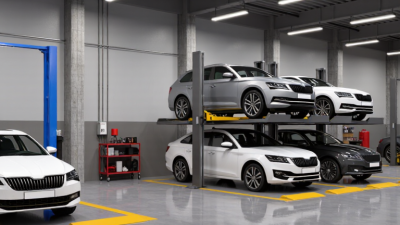
Urban space is tightening. UN DESA’s World Urbanization Prospects projects that 68% of people will live in cities by 2050. A Car Stacker Lift can convert one parking bay into two or more positions. The best choice depends on vehicle access, ceiling height, and daily cycles.
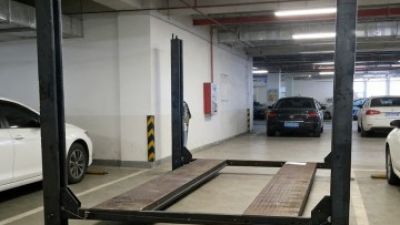
A two-post dependent lift is compact and economical. The lower car usually must leave before the upper car descends. Its hydraulic cylinders raise the platform quickly, but uneven loading can affect stability. A four-post lift supports the tires on long runways. It offers better storage access and suits heavier vehicles, though it needs more floor space. I have seen buyers underestimate ramp length.
Automated puzzle systems move platforms horizontally and vertically. They improve density, but sensors, controls, and maintenance become more important. Screw-driven mechanisms provide controlled movement and can reduce hydraulic leakage risks. Chain-driven designs may deliver fast lifting, yet chain inspection cannot be ignored. The 2024 U.S. EPA Automotive Trends Report recorded average new-vehicle weight at about 4,329 pounds in 2022. Therefore, check rated capacity, not advertised capacity alone. Allow extra margin for luggage, battery weight, and future vehicle changes. Measure twice. Then test the emergency lowering procedure. Clearance errors remain surprisingly common.
How to Choose a Car Stacker Lift in 2026?
Compare Car Stacker Lift Types and Operating Mechanisms
The chart compares representative rated lifting capacities for common car stacker designs. Two-post and four-post hydraulic lifts generally provide higher capacity for conventional parking applications. Scissor lifts use synchronized electro-hydraulic cylinders and are suitable where a compact platform and low visual obstruction are preferred. Automated puzzle systems use motor-driven platforms and sensors to move vehicles between storage positions, prioritizing space efficiency over lifting speed and individual access.
Values are representative industry specifications; actual capacity, dimensions, lifting speed, and installation requirements vary by configuration and local safety regulations. Always verify the manufacturer’s certified load rating before selection.
Check Lift Capacity, Platform Dimensions, and Vehicle Compatibility
Choosing a 3 Car Stacker Lift starts with verified vehicle data, not attractive specifications. The 2024 Global EV Outlook recorded nearly 14 million electric-car sales in 2023, representing about 18% of global new-car sales. That shift matters because battery vehicles can alter axle loads, total weight, and clearance requirements.
Check rated capacity against the heaviest vehicle you will actually park. Include passengers, cargo, and possible future models. A safety margin is essential, but it should follow the manufacturer’s engineering documentation and applicable lifting standards. Do not rely on curb weight alone. I would also compare wheelbase, tire position, and approach angle. Small differences can affect locking points and platform balance.
Platform dimensions need equal attention. Measure the widest vehicle, including mirrors where the layout requires it. Then check usable length, column spacing, overhead height, and door-opening clearance. The U.S. EPA Automotive Trends Report tracks the continuing growth of vehicle size and footprint, so older parking assumptions may now be unreliable. Measure twice. Leave room.
Vehicle compatibility should cover sedans, SUVs, vans, and EVs, rather than only today’s fleet. Confirm ground clearance, battery protection zones, lifting-pad locations, and manufacturer-approved contact points. A poorly placed pad can damage trim or underbody components. I have seen planning documents overlook roof height and rear overhang; that mistake is expensive to correct. A transparent load chart, installation survey, and independent inspection provide stronger evidence than a sales estimate.
How to Choose a Car Stacker Lift in 2026? - Check Lift Capacity, Platform Dimensions, and Vehicle Compatibility
| Lift Configuration |
Typical Rated Capacity |
Usable Platform Width |
Usable Platform Length |
Typical Raised Clearance |
Suitable Vehicle Types |
Key Compatibility Checks |
Recommended Use |
| Single-Post Parking Lift |
2,000–2,700 kg |
2,300–2,600 mm |
4,800–5,300 mm |
1,500–1,900 mm |
Small cars, sedans, compact SUVs, and some station wagons |
Verify wheelbase, overall length, tire width, and the manufacturer's approved lifting points. |
Space-saving residential or low-volume parking |
| Two-Post Parking Lift |
2,700–3,600 kg |
2,400–2,700 mm |
4,900–5,500 mm |
1,500–1,900 mm |
Most passenger cars, crossovers, and light SUVs |
Check column spacing, door clearance, vehicle center of gravity, and floor anchoring requirements. |
Independent parking spaces with direct vehicle access |
| Four-Post Parking Lift |
2,700–4,000 kg |
2,500–2,800 mm |
5,000–5,700 mm |
1,500–2,000 mm |
Sedans, long-wheelbase cars, SUVs, and light vans within the platform limits |
Confirm platform length, ramp position, axle loading, tire contact area, and available ceiling height. |
Stable long-term storage and occasional vehicle relocation |
| Double-Platform Stacker |
3,000–4,000 kg per platform |
2,400–2,800 mm |
5,000–5,700 mm |
1,500–1,900 mm per level |
Two cars of similar or different sizes, subject to separate platform ratings |
Check the combined structure rating, individual platform rating, upper-level vehicle height, and load distribution. |
Maximizing parking capacity in private or commercial facilities |
| Four-Post Heavy-Duty Stacker |
4,000–5,500 kg |
2,600–3,000 mm |
5,300–6,200 mm |
1,600–2,100 mm |
Large SUVs, pickup trucks, vans, and heavier passenger vehicles |
Confirm wheelbase, axle load limits, ramp capacity, tire dimensions, and the structural condition of the floor. |
Large vehicles and commercial or fleet storage |
| Scissor Parking Lift |
2,000–3,500 kg |
2,300–2,700 mm |
4,800–5,500 mm |
1,400–1,900 mm |
Passenger cars and selected crossovers with suitable tire placement |
Check platform loading zones, minimum vehicle ground clearance, pit or floor requirements, and obstruction clearance. |
Low-profile installations and architectural parking layouts |
| Moveable Parking Lift |
2,000–2,700 kg |
2,300–2,600 mm |
4,800–5,300 mm |
1,400–1,800 mm |
Compact cars and standard sedans that fit the platform and wheel guides |
Ensure the floor is level and load-bearing; verify casters, locking systems, aisle width, and relocation procedures. |
Flexible storage where parking layouts change frequently |
| Low-Ceiling Parking Lift |
2,000–3,000 kg |
2,300–2,700 mm |
4,800–5,500 mm |
1,200–1,500 mm |
Low and medium-height passenger cars; limited SUV compatibility |
Measure the lowest ceiling obstruction, vehicle height, platform thickness, and required safety clearance. |
Basements and garages with restricted vertical space |
Selection note: The stated dimensions and capacities are typical specification ranges for generic vehicle stacker lifts. Always compare the exact vehicle curb weight, gross vehicle weight, wheelbase, track width, tire size, ground clearance, and the installation site's structural and height limits with the final equipment specification.
Evaluate Safety Systems, Construction Quality, and Certification
How to Choose a Car Stacker Lift in 2026?
Safety should be judged through physical details, not attractive specifications. Check whether mechanical locks engage automatically at each lifting level. Emergency lowering must remain controlled during power loss. Inspect hose routing, guards, limit switches, and platform edges. A useful field check is simple: raise the platform, stop it, and listen for unusual movement. Any rocking deserves investigation. Sensors should prevent unsafe operation, but sensors can fail. Manual inspection still matters.
Construction quality appears in weld consistency, steel thickness, anchor points, and corrosion protection. Look beneath the platform, where rushed finishing often becomes visible. Hydraulic cylinders should move smoothly without leaks or sudden drops. The rated capacity must match the vehicle types and loading pattern. Do not rely only on maximum weight. A long vehicle can create different stresses. Installation surfaces also require verification.
Certification provides valuable evidence, but it is not a substitute for judgment. Confirm that testing covers the complete lift, including locks, controls, emergency systems, and overload protection. Check the issuing body, test date, scope, and applicable local requirements. Ask for installation records and maintenance procedures. Independent inspection is preferable when documents seem vague. A certificate can look impressive. It may still omit site-specific risks. Keep clear service logs, and have qualified technicians inspect the equipment at scheduled intervals.
Assess Installation Requirements, Power Options, and Site Conditions
How to Choose a Car Stacker Lift in 2026?
Choosing an Auto Stacker Car Lift starts with the installation site, not the advertised lifting capacity. Measure the ceiling, parking bay width, slab thickness, and vehicle approach angle. Leave clearance for doors, mirrors, lighting, and maintenance access. A basement may need drainage checks, ventilation, and careful delivery planning. Experienced installers should inspect the concrete and confirm anchor positions before installation. Do not rely only on old building drawings.
Power options also affect daily reliability. Electric systems usually suit indoor facilities with stable power and regular use. Hydraulic systems may require more attention to fluid temperature, seals, and emergency lowering procedures. Check the available voltage, circuit capacity, cable route, and backup release method. A qualified technician should verify these details against current local safety requirements. Small mistakes become expensive.
Tips: Mark the lift footprint with tape before ordering. Park the largest vehicle inside it. Listen for low beams, test walking space, and check whether doors can open safely. Consider winter moisture, dust, and uneven floors. A site can look suitable and still fail a practical test. I would also request a written installation drawing, load data, inspection schedule, and operator training plan. Recheck everything.
Calculate Total Costs, Maintenance Needs, and Long-Term Value
Choosing a car stacker lift in 2026 requires more than comparing purchase prices. Calculate the full cost over ten years. Include delivery, installation, electrical work, permits, inspections, insurance, and floor preparation. A lift priced at $8,000 may need another $2,000 before holding its first vehicle. Measure ceiling height and parking width carefully. A small mistake can create expensive structural changes. Ask for certified load data, emergency procedures, and written warranty terms. These details show whether the supplier understands real installation conditions.
Tips: Request three itemized quotes. Compare annual servicing costs, replacement parts, and response times. Check whether technicians are trained and locally available. Read the maintenance schedule before signing. Keep extra budget for sensors, cables, hydraulic seals, and control components. They eventually wear.
Long-term value depends on reliability and usable space. A lift that stores two vehicles securely can increase garage capacity without new construction. However, savings are not automatic. Higher energy use, frequent servicing, or difficult access can reduce the benefit. Review the expected cycle count and average service life. A qualified engineer should verify the slab, anchoring method, drainage, and safety clearances. I would not trust a glossy payback estimate alone. Real usage is often lower than planned, especially when parking feels inconvenient. Choose a system that remains practical during winter, power interruptions, and routine maintenance.
CE Four-Post Hydraulic Car Lift 3600kg: A Practical Guide to Parking and Vehicle Repair
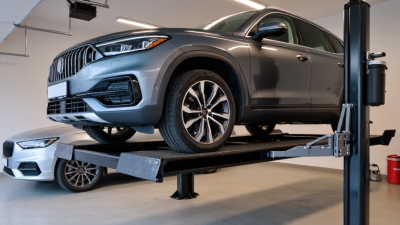
A CE four-post hydraulic car lift with a 3,600 kg capacity is a practical solution for improving parking efficiency and supporting routine vehicle repair. By lifting one vehicle above another, it can turn a single parking space into two independent levels without expanding the floor area. The hydraulic drive provides smooth, stable movement with low operating noise, making the lift suitable for private garages, residential communities, shopping centers, and commercial parking facilities. Before installation, confirm the available ceiling height, floor condition, vehicle dimensions, power supply, and required lifting height.
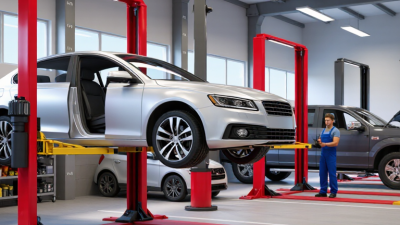
For parking, drive the vehicle onto the platform slowly and position it according to the marked wheel stops. Engage the parking brake, switch off the engine, and check that the vehicle is stable before raising the platform. The 110V/220V power option supports different project requirements, while the high-strength steel frame and wear-resistant components are designed for frequent use. When used for vehicle repair, the elevated platform provides convenient access to wheels, brakes, suspension, and underbody components. Always lower the lift fully before loading or unloading, keep people clear of the operating area, and follow the equipment’s inspection and maintenance schedule.
With customizable platform dimensions, lifting height, load capacity, and surface finish, this four-post lift can be adapted to residential driveways, retail parking areas, and large development projects. Its streamlined appearance also integrates neatly into modern properties while providing a durable, cost-effective parking and service solution.
FAQS
It creates two or more parking positions within one footprint. This helps when urban parking space is limited. Measure the real space first.
Hydraulic cylinders raise the platform quickly. Usually, the lower vehicle must leave before the upper vehicle descends. Uneven loading can reduce stability.
A four-post lift supports tires along long runways. It offers easier storage access and suits heavier vehicles. However, it needs more floor space.
Compare rated capacity with the heaviest complete vehicle. Include passengers, luggage, battery weight, and future vehicle changes. Do not trust attractive figures alone.
Check width, length, wheelbase, tire position, roof height, and approach angle. Include mirrors when necessary. Door clearance matters too.
They can be compatible when approved contact points and battery protection zones are confirmed. Battery weight may change axle loads. Verify the load chart carefully.
Measure ceiling height, bay width, slab thickness, drainage, ventilation, and approach angles. Inspect concrete and anchor positions. Old drawings may be wrong.
Electric systems suit stable indoor power and regular use. Hydraulic systems need seal and fluid checks. Screw drives provide controlled movement, while chains require regular inspection.
Mark the footprint with tape and park the largest vehicle inside it. Check beams, walking space, door movement, and emergency lowering. Listen carefully.
Request installation drawings, load data, inspection schedules, emergency procedures, and operator training. Independent inspection adds useful confidence. I would still recheck everything.
Conclusion
Choosing the right Car Stacker Lift in 2026 starts with a clear understanding of your vehicle storage needs, available floor area, ceiling height, and access conditions. Consider whether you need a two-post, four-post, or other lift design, and compare how each operating mechanism suits your daily use. Carefully check the rated capacity, platform dimensions, vehicle height, wheelbase, and clearance to ensure compatibility with every intended vehicle.
Safety and durability should be central to the decision. Review locking systems, emergency controls, structural materials, protection features, and relevant certification requirements. You should also assess installation conditions, including foundation strength, ventilation, electrical supply, drainage, and indoor or outdoor exposure. Finally, compare the complete ownership cost, including purchase, delivery, installation, energy use, inspections, replacement parts, and routine maintenance. A lift with a higher initial price may provide better long-term value if it offers reliable operation, strong safety performance, simple servicing, and enough flexibility for future storage needs.