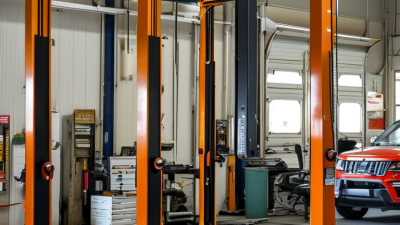
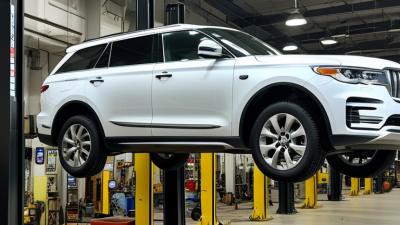
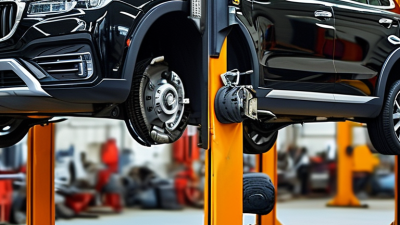
Garage elevator lifts are really changing the game for homeowners, collectors, and small workshop folks who are dealing with limited garage space. Basically, these systems lift one vehicle above another, creating a handy second parking spot. But they’re also great for fitting in motorcycles, tools, seasonal gear, or even turning part of the garage into a mini-workshop.
Now, Greg Smith from Challenger Lifts, who's been in the lift industry forever, always says, “Vehicle lifts are only safe if they're installed, operated, and maintained properly.” And that’s absolutely true. A lift isn’t just a platform with a motor—it's a whole system that includes posts, hydraulic cylinders, cables, locks, controls, and safety limits working together.
Most garage elevator lifts run on hydraulic power. An electric pump pushes fluid into cylinders, which then lift the platform up. Mechanical locks hold everything in place at different heights. When you want to lower it, hydraulic pressure eases off smoothly, and the platform gently comes back down under the weight of the vehicle.
Sounds simple, right? Well, not always. There are a bunch of factors to consider – like how much weight it can handle, your ceiling height, how wide the platform is, the strength of your garage floor, and the size of your vehicle. For example, a heavy SUV needs a different setup than a tiny car. Uneven loading can cause stress and potential safety issues, and if you don’t keep the system well-maintained, it might not move smoothly or lock properly.
In this guide, I’ll walk you through how garage elevator lifts actually work, the best situations for them, and what to watch out for before you get one installed. Plus, I’ll challenge a common misconception: just because a lift can go higher doesn’t mean it’s better for your garage. The right system should match your garage space, what kind of vehicle you have, and how you usually use your garage. Remember, professional installation, routine check-ups, and clear operating instructions are key—that’s the real foundation for safe and effective use.
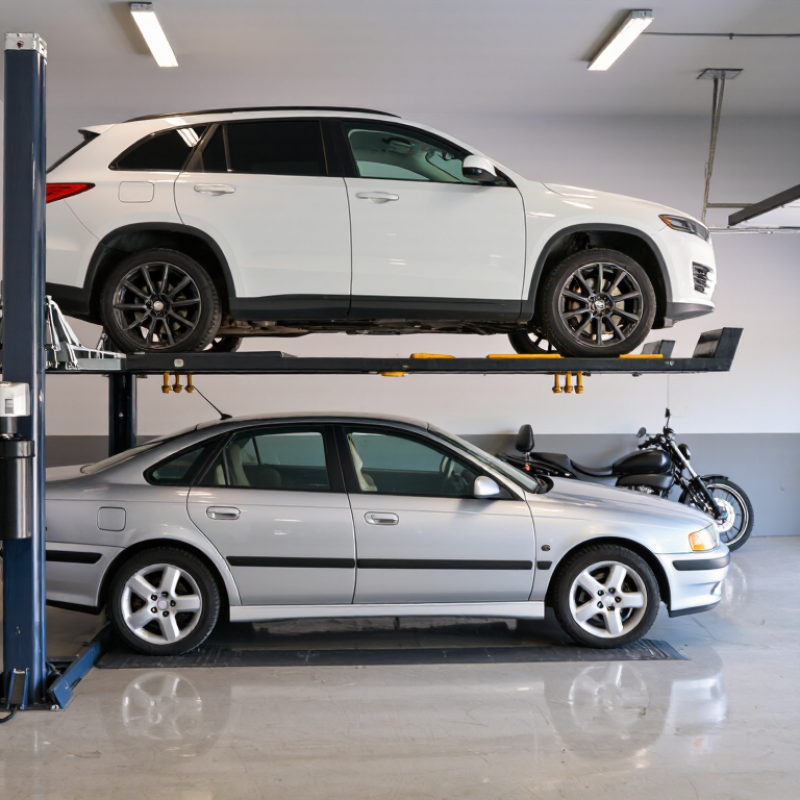
Garage elevator lifts are mechanical platforms designed to raise vehicles inside a garage. They create extra parking space vertically, especially where floor area is limited. Unlike passenger elevators, these systems usually carry cars, motorcycles, or storage equipment. They are not designed for people.
A typical lift uses a platform, vertical posts, lifting cables, hydraulic cylinders, or screw mechanisms. The motor supplies power, while locks or safety catches hold the platform at selected heights. Many models include ramps, wheel stops, guardrails, and control switches. Space matters. The ceiling must provide enough clearance for the raised vehicle. The concrete floor also needs suitable thickness and strength.
In practical installations, accurate measurements are essential. A technician checks the vehicle’s weight, dimensions, lifting points, floor condition, and electrical supply. Small errors can create serious problems. Safety comes first. Operators should position the vehicle evenly and engage the mechanical locks before working underneath it. Regular inspections can reveal worn cables, fluid leaks, loose bolts, or damaged controls.
The term “garage elevator lift” can be confusing. Some systems only store vehicles, while others support repair work beneath a raised car. Their working limits differ. A lift may appear simple, but installation quality affects stability and service life. I would not treat a low price as proof of value. The user manual, professional installation, and local building requirements deserve careful attention. Even experienced owners can overlook ceiling clearance.
Garage elevator lifts are vertical platforms that move vehicles between floor levels. Most use hydraulic cylinders, screw drives, or cable systems. Mechanical locks support the platform after lifting, so the driving mechanism does not carry the entire load continuously. In practice, the lift needs a level surface, suitable ceiling clearance, and a structural assessment before installation.
The main reason is simple: they create another parking position without expanding the building footprint. This matters in narrow garages, urban homes, and workshops with valuable floor space. S&P Global Mobility reported that the average age of vehicles in the United States reached about 12.6 years in 2024. Older vehicles often require more inspection, repair, and protected storage. A lift can keep one car above another while leaving walking space below.
Garage Auto Storage Lifts also help separate daily-use vehicles from collector or seasonal vehicles. A covered upper platform reduces exposure to dust, moisture, and accidental contact. However, a lift is not a magic storage solution. Load capacity, vehicle height, tire position, and ceiling clearance must match the equipment specifications. ANSI/ALI ALCTV-2017 provides recognized safety guidance for automotive lifts, while OSHA emphasizes proper training and hazard control in workplaces.
The weak point is often human judgment. Owners may overload platforms or ignore unusual sounds. That mistake can become expensive. Regular inspections, visible locking checks, and careful vehicle positioning remain essential. Real garages are rarely perfectly level, either. That detail deserves more attention than many installation plans allow.
Garage elevator lifts raise vehicles vertically, creating usable space beneath them. Most systems use hydraulic cylinders, electric motors, cables, or a combination of these parts. A platform or pair of runways supports the vehicle, while mechanical locks hold the lift at its chosen height. The pump provides movement, but the locks provide dependable support. That difference matters during storage.
Two-post lifts are common in repair-focused garages. Their arms contact the vehicle’s approved lifting points, leaving the wheels accessible for maintenance. Four-post lifts use long runways and support the tires directly. They are usually steadier for long-term parking, heavier vehicles, or home garages with uneven loading habits. Clearance must be measured carefully. A tall vehicle can still strike the ceiling.
Scissor lifts rise from a compact base beneath the vehicle. They save floor space, although some designs limit access to the wheels or underside. Parking stackers lift one car above another and suit narrow garages with adequate ceiling height. Hydraulic models often provide smooth movement, while electric screw systems can offer precise positioning and fewer fluid concerns. Neither type removes risk. The concrete slab, vehicle weight, anchor points, and emergency lowering process require professional assessment. In practice, choosing the smallest lift that fits is tempting, but it may leave poor access and uncomfortable working space.
| Lift Type | How It Works | Typical Rated Capacity | Typical Maximum Lift Height | Main Structural Features | Best-Suited Applications | Advantages | Important Limitations |
|---|---|---|---|---|---|---|---|
| Two-Post Lift | Two vertical columns use hydraulic cylinders, cables, or chains to raise the vehicle by its frame or approved lifting points. The arms swing into position beneath the vehicle. | Approximately 6,000–18,000 lb (2,700–8,200 kg) | Approximately 60–78 in (1.5–2.0 m) for many residential models | Two columns, four adjustable arms, mechanical locking system, hydraulic power unit, and adjustable adapters | Routine maintenance, brake work, suspension repairs, underbody inspection, and general automotive service | Provides good access to wheels and the underside; usually requires less floor space than a four-post lift | Requires suitable vehicle lifting points and a properly reinforced, level concrete floor; incorrect positioning can make the vehicle unstable |
| Four-Post Lift | A platform or pair of runways rises on four columns. The vehicle is driven onto the runways, and cables or chains keep the platforms synchronized. | Approximately 7,000–18,000 lb (3,200–8,200 kg) | Approximately 60–78 in (1.5–2.0 m) for common home-garage models | Four columns, two or four runways, wheel stops, ramps, safety locks, and optional rolling bridge jacks | Vehicle storage, parking two vehicles vertically, wheel service with auxiliary jacks, and long-term storage | High stability, straightforward vehicle loading, and useful storage space beneath the raised vehicle | Uses more floor area; the runways can obstruct some underbody components unless a compatible jack or accessory is used |
| Scissor Lift | Hydraulic cylinders extend a crossed-metal scissor mechanism, raising a platform or lifting pads vertically from the center or sides. | Approximately 6,000–15,000 lb (2,700–6,800 kg) | Approximately 36–72 in (0.9–1.8 m), depending on design | Interconnected crossed arms, lifting platform or pads, hydraulic power unit, mechanical locks, and anti-slip surfaces | Tire service, detailing, inspections, low-ceiling garages, and applications requiring a compact footprint | Compact when lowered, often easier to position in a limited workspace, and available in portable or surface-mounted configurations | The mechanism may limit access to some central underbody areas; the floor must be level and clear of obstructions |
| Portable Mid-Rise Lift | A compact hydraulic system raises the vehicle on movable lifting units or short columns. Mechanical locks hold the load after the lifting cycle. | Approximately 6,000–9,000 lb (2,700–4,100 kg) | Approximately 40–52 in (1.0–1.3 m) | Portable frames or columns, hydraulic pump, lifting pads or platforms, safety locks, and transport wheels or casters | Wheel removal, brake work, seasonal maintenance, detailing, and garages where permanent installation is not practical | Can be stored or repositioned when lowered and usually works under relatively low ceilings | Does not normally provide full standing clearance beneath the vehicle; lifting points and load distribution must be checked carefully |
| Parking Stacker Lift | A powered platform raises one vehicle above another. Hydraulic cylinders, chains, or screw-driven mechanisms move the platform and engage mechanical safety locks. | Approximately 6,000–9,000 lb (2,700–4,100 kg) per platform | Approximately 60–75 in (1.5–1.9 m), subject to ceiling clearance | Elevated platform, guide columns, wheel restraints, ramps, hydraulic or mechanical drive, and positive locking devices | Increasing parking capacity in residential garages, storage facilities, and vehicle collections | Creates a second parking position without constructing a permanent mezzanine or adding another garage bay | Vehicle height and weight must remain within the specified limits; the lower vehicle may need to be removed before lowering the platform |
| In-Ground Lift | Lifting components are installed in a recessed pit. Hydraulic plungers or telescoping columns raise arms or a platform from floor level. | Approximately 7,000–20,000 lb (3,200–9,100 kg) | Approximately 60–72 in (1.5–1.8 m) for many light-vehicle systems | Below-floor hydraulic equipment, lifting arms or platform, flush floor covers, safety locks, and drainage or pit protection systems | Professional service areas, garages requiring a clear floor when the lift is lowered, and permanent installations | Minimal above-floor obstruction when retracted and excellent access around the vehicle | Requires substantial construction, accurate drainage and corrosion control, and professional installation; unsuitable for some existing slabs |
Safety note: Capacity, lifting height, ceiling clearance, floor thickness, anchoring requirements, and vehicle lifting points vary by model. Always follow the lift manufacturer’s installation instructions and use the built-in mechanical safety locks before working beneath a raised vehicle.
What Are Garage Elevator Lifts and How Do They Work?
A garage elevator lift moves vehicles between levels when floor space is limited. In an Elevator Parking Garage, it may serve apartments, workshops, or compact storage areas. The platform carries the vehicle, while vertical posts guide its movement. A hydraulic cylinder, screw drive, or electric motor supplies lifting force. Each system has different maintenance needs.
The control panel starts and stops the lift. It also manages lowering speed and emergency functions. Mechanical locking points hold the platform at set heights. They carry the load if hydraulic pressure changes. Steel cables or chains may help synchronize both sides. Limit switches stop travel before the platform reaches unsafe positions. Sensors can detect open gates, uneven movement, or nearby obstacles.
The base frame spreads weight across the concrete floor. Its anchor bolts must match the engineer’s specifications. A trained installer checks slab thickness, vehicle weight, headroom, and drainage before operation. Small details matter. Tire position affects balance. Dust can hide worn cables or damaged locks. Regular inspections should include leaks, unusual sounds, loose fasteners, and control response. The imperfect part is that no lift remains maintenance-free. Even a quiet system can develop hidden wear, so visual checks alone may miss an early failure.
A garage elevator lift moves a vehicle vertically between parking levels. In a Car Elevator Parking Garage, the driver positions the car on a steel platform. Guide rails then keep the platform aligned during travel. A hydraulic cylinder or electric screw drive supplies the lifting force. The system does not simply “raise and hope.”
Sensors confirm platform position, gate closure, and vehicle alignment. Mechanical locks engage at each landing, carrying the parked load without relying only on hydraulic pressure. A control panel starts movement only after these safety signals agree. Emergency stops, overload detection, and anti-drop devices provide additional protection. The exact design varies by capacity and building layout. Some installations feel slower than expected, but controlled speed reduces movement and stopping stress.
Tips: Check the lift’s rated capacity against the heaviest vehicle, not its average weight. The Automotive Lift Institute’s certification guidance emphasizes rated-load testing and mechanical safety components. Its published lift listings commonly show capacities from about 6,000 to 18,000 pounds. That range is useful, but it is not a universal design rule. A 2024 Grand View Research report also identified automated parking as a growing market, driven by limited urban space. Growth does not remove engineering risks. Clearances, drainage, ventilation, and fire protection still need professional review. I would also measure mirrors and roof height twice. Small errors become expensive when concrete surrounds the platform.
Garage elevator lifts raise vehicles vertically between parking levels, using hydraulic cylinders, screw drives, or electric traction systems. Unlike ordinary service hoists, they move cars through a garage floor or doorway. Stratus Car Lifts can be suitable for tight residential spaces, but safety depends on engineering, not appearance. The platform must match the vehicle’s weight, wheelbase, tire position, and center of gravity. It should include mechanical locking positions, anti-drop protection, guarded pinch points, emergency stop controls, and sensors that prevent movement when doors or barriers remain open.
Installation begins with the structure. A qualified engineer should verify slab thickness, concrete strength, reinforcement, drainage, overhead clearance, and surrounding wall loads. Never rely on visual judgment alone. The manufacturer’s foundation requirements and local building rules must be checked before drilling anchors. ANSI/ALI ALCTV-2017 addresses automotive lift construction and testing, while NIOSH FACE investigations repeatedly identify crushing risks from unstable vehicles, failed support, and bypassed safeguards. That evidence makes daily checks essential: inspect cables or cylinders, test locks, remove oil from the platform, and confirm wheel chocks are positioned correctly. OSHA guidance also emphasizes guarding moving parts and controlling hazardous energy during servicing.
Installation is not a weekend experiment.
A trained technician should commission the lift, verify limit switches, and document a test under rated load. The Automotive Lift Institute recommends periodic inspection by qualified personnel, yet inspection records are often incomplete. That is an uncomfortable weakness. A small sensor fault, uneven load, or distracted operator can turn a convenient parking solution into a serious hazard.
It is a mechanical platform that raises vehicles vertically inside a garage. It can create another parking position without expanding the floor area. Most systems use hydraulic cylinders, cables, screws, or electric drives.
No. These lifts are designed for vehicles, motorcycles, or storage equipment. Never stand beneath a moving platform or use it as a passenger elevator.
They add parking space in narrow garages, workshops, and urban homes. One vehicle can sit above another, leaving walking space below. That sounds simple. Ceiling height remains critical.
Check vehicle weight, length, width, height, wheelbase, tire position, and center of gravity. Measure ceiling clearance with the vehicle raised. The concrete slab also needs suitable thickness and strength.
Look for mechanical locking positions, anti-drop protection, wheel stops, guardrails, and emergency stop controls. Sensors should prevent movement when barriers or doors remain open. Pinch points need proper guarding.
Some models provide clearance for inspection or repairs, while others only store vehicles. Their rated capacity and locking system may differ. Confirm the intended use before working below a raised vehicle.
A qualified technician should assess the slab, reinforcement, drainage, walls, electrical supply, and overhead clearance. Installation must follow the equipment requirements and local building rules. Visual judgment is not enough.
Position the vehicle evenly, engage the mechanical locks, and check wheel chocks. Inspect cables, cylinders, bolts, controls, and unusual noises. Remove oil from the platform. Small oversights matter.
Qualified personnel should inspect it periodically and record the results. Check for fluid leaks, worn cables, damaged sensors, loose fasteners, and failed locks. Records are often incomplete, which deserves honest attention.
Not always. Compare rated capacity, safety features, installation quality, service support, and inspection requirements. A lower purchase price may hide clearance problems or weak long-term support. Measure twice.
Garage Elevator Lifts are mechanical systems designed to raise and lower vehicles between different levels of a garage, helping homeowners, businesses, and parking facilities use limited space more efficiently. They are commonly used to create additional parking capacity, move cars between floors, or provide easier access where traditional ramps are impractical. Main types include hydraulic, screw-driven, and platform-style lifts, each suited to different building layouts, vehicle weights, and operating needs.
A typical lift consists of a supporting platform, lifting mechanism, motor or power unit, guide rails, control panel, and safety locks. During operation, the system receives a control command, activates the lifting mechanism, and moves the platform smoothly along its guided path before locking it securely at the selected level. Essential safety features may include overload protection, emergency stop controls, anti-fall locks, sensors, and secure entry barriers. Professional planning, structural assessment, proper electrical installation, and regular maintenance are necessary to ensure reliable and safe performance.