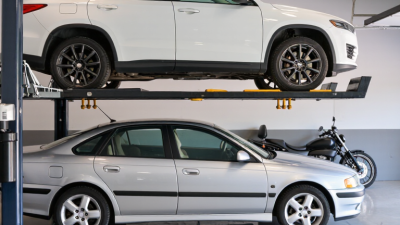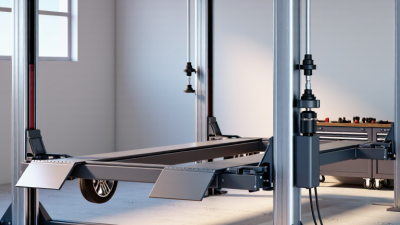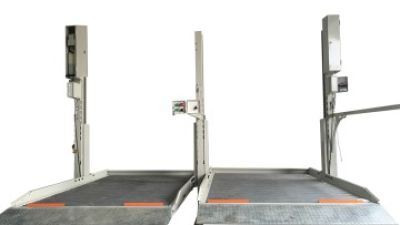
Let’s be honest—choosing a Car Elevator Lift isn’t something you rush. For property owners, architects, and vehicle-storage operators around the world, it’s a pretty serious call. The system has to actually fit the building, the kinds of vehicles going in and out, traffic flow, and whatever safety rules your area expects. And honestly? You also need dependable service after it’s installed. A shiny brochure alone just won’t cut it.
Peter Macdonald, who specializes in parking equipment at WÖHR Parking Systems, has a simple but useful reminder: 'A parking system really only works when you think about safety, usability, and maintenance as a package.' And honestly, that's especially true when you're buying from overseas. A lift can look great in a showroom, but then struggle once it's dealing with low ceilings, heavy vehicles, humid air, or constant day-to-day use. And those little details? They can turn into pretty expensive headaches.
So, if you're buying this kind of equipment from overseas, here are seven things worth keeping in mind. The guide looks at lifting capacity, platform size, drive technology, safety features, installation conditions, certification, and after-sales support. When you're dealing with suppliers, ask for load-test records. Make sure you understand the emergency lowering procedures. Before you sign anything, get clear drawings. And if you can, go see an operating project in person. A lot of people skip that step, honestly. But they really shouldn't.
Also, don’t just look at the initial quote—buyers really need to think about the total cost of ownership. A Car Elevator Lift that looks cheaper upfront might end up needing more inspections, replacement parts, or specialist visits down the road. Having local technicians around can make a huge difference. Same goes for spare-parts availability. Honestly, no supplier can promise a totally trouble-free future, so it’s smart to stay a bit cautious when claims sound too perfect. Ask careful questions, get specifications in writing, and plan maintenance realistically. That’s what leads to a stronger decision. I mean, that's kind of the point where experience really starts to matter, you know?
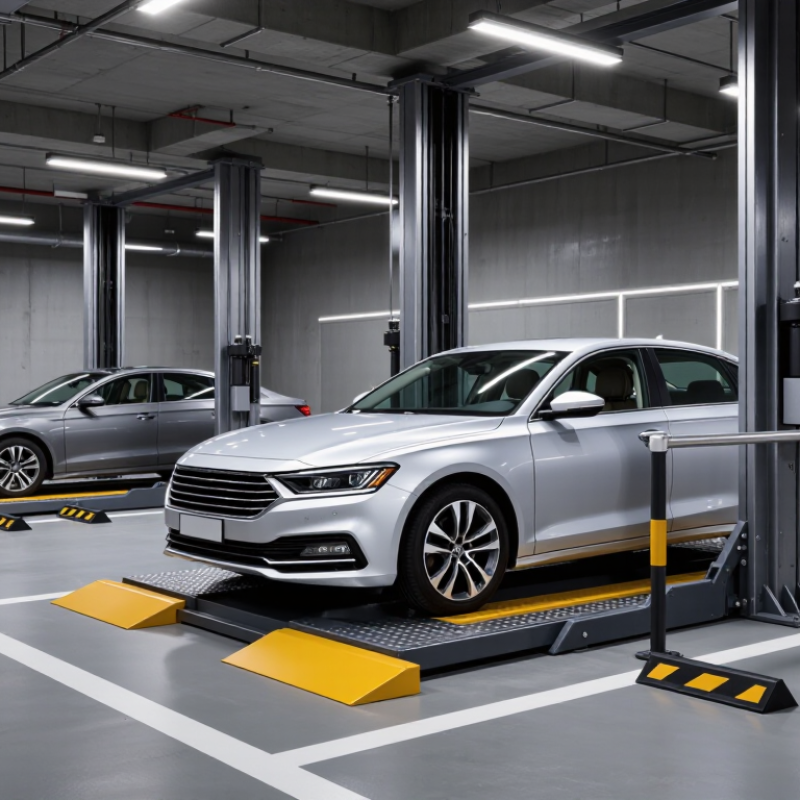
A reliable car elevator begins with a precise project brief, not a product catalogue. Record the largest vehicle’s length, width, height, wheelbase, and turning path. Include passengers, luggage, and possible future vehicles. The International Energy Agency reported nearly 14 million electric cars sold globally in 2023, representing about 18% of new car sales. Many electric vehicles are heavier than comparable petrol models, so rated capacity needs practical headroom.
Measure the shaft, pit depth, overhead clearance, entrance direction, and available machine-room space. Then confirm local structural, electrical, fire, accessibility, and elevator safety requirements with a qualified engineer. Climate also matters. Coastal sites may need stronger corrosion protection, while cold regions require suitable hydraulic fluids, seals, and drainage. Ask for documented testing, emergency lowering, door interlocks, overload protection, and maintenance access. The specifications may change after a site survey. That is normal.
Tips: Prepare a simple vehicle schedule with current and future models. Specify gross load, not only vehicle weight. Define daily cycles and peak arrival periods. A private residence may need fewer cycles, while a hotel or showroom needs faster recovery. Request drawings showing clear platform dimensions, not nominal dimensions. Compare noise, power consumption, service intervals, warranty terms, and spare-part availability. The 2024 Global EV Outlook also highlights continuing electric-vehicle growth, making future clearance and load allowances worth reviewing before construction.
Choosing a Car Elevator starts with comparing the lifting mechanism, not the exterior finish. Hydraulic lifts suit moderate travel heights and often provide steady movement. Traction systems may work better in taller buildings with frequent daily cycles. Screw-driven designs can simplify some installations, but their speed and maintenance needs require careful review. A vehicle lift is not a passenger elevator. Confirm its intended use, rated load, and regional certification.
Configuration affects every building detail. Measure the vehicle, platform, doorway, ceiling, and turning space with several centimeters of working clearance. A 2.6-meter-wide platform may feel adequate on paper, yet mirrors and uneven parking can create stress. Decide between a pit, shallow pit, or pitless structure. Pitless models can reduce excavation, while pit systems may offer smoother entry and lower platform height. Through-floor access also needs structural checks.
Ask for documented load tests, emergency lowering procedures, door interlocks, and inspection records. Check whether local technicians can supply seals, cables, sensors, and control components. Climate matters too. Coastal sites need stronger corrosion protection, while cold regions may require suitable hydraulic fluid and protected controls. I once underestimated service access during a layout review; the lift worked, but maintenance became awkward. That mistake still influences my recommendations. Select capacity from real vehicle weights, not brochure averages. Leave room for future models.
Buying a Car Park Elevator starts with numbers, not polished photos. In field inspections, I measure the heaviest vehicle, widest mirrors, and tallest roof load. Do not trust the advertised platform size alone. A 2,700-kilogram rating may include uneven loading limits or a safety margin you have not understood. Ask for the rated working load, test method, and clear loading width. Small details matter.
Measure the actual parking bay, including columns, drains, lighting, and door swing. Leave room for tire alignment and safe walking clearance. Check pit depth and overhead height before requesting a quotation. Some installations need no pit, but they still require a level, reinforced base. Confirm platform length with bumpers and tow hitches included. A vehicle may fit on paper and still scrape during entry.
Vehicle compatibility needs more than gross weight. Compare wheelbase, tire width, ground clearance, approach angle, and lifting points. Electric vehicles can add substantial battery weight, while vans may exceed height limits quickly. Request the installation manual, maintenance schedule, emergency lowering procedure, and independent load-test records. Have a qualified local engineer review the drawings and site conditions. I once saw a suitable lift rejected because a rear hatch needed extra clearance. That mistake was avoidable. Recheck every measurement yourself.
Verify load capacity, dimensions, and vehicle compatibility before selecting a car elevator lift.
When buying an Elevator Car Parking system, treat safety verification as a design task, not a brochure promise. Ask for the complete risk assessment, emergency procedures, and test records. ISO 12100 supports hazard identification and risk reduction, while ISO 13849 helps evaluate safety-related control systems. These documents should match the actual installation, including vehicle weight, platform movement, and access conditions.
Check physical safeguards closely. Look for door interlocks, overload detection, anti-fall devices, emergency stops, mechanical locks, and backup lowering controls. Sensors should prevent movement when a person or object enters the danger zone. The control panel also needs clear status lights and fault codes. Small details matter. A silent fault is unacceptable.
International compliance requires more than one familiar certificate. Confirm whether the equipment meets the destination’s machinery, electrical, fire, and accessibility requirements. EN 14010 is relevant to powered parking equipment in many European projects, but local approval may still require independent inspection. The 2023 ILO and WHO joint estimate reported about 2.93 million work-related deaths worldwide, reinforcing the cost of weak safety management. Maintenance records deserve equal attention. A system may pass commissioning, then deteriorate through poor servicing. I would also request test intervals, spare-part availability, and technician qualifications. No checklist is perfect. Recheck assumptions on site before approving the Elevator Car Parking purchase.
| No. | Buying Tip | Key Evaluation Dimension | Practical Specification or Evidence to Request | Safety and Compliance Relevance | Buyer Verification Question |
|---|---|---|---|---|---|
| 1 | Confirm Rated Load and Platform Dimensions | Vehicle weight, axle loading, wheelbase, track width, platform length, platform width, and headroom | Match the rated capacity to the heaviest intended vehicle, including passengers, fuel, accessories, and possible future vehicle types. Check the manufacturer’s load chart and required clearances rather than relying only on average car dimensions. | Overloading or uneven loading can increase structural stress and affect stopping performance. The lift should have clearly marked rated capacity and operating limits. | What are the rated load, maximum axle load, allowable load distribution, platform dimensions, and minimum installation clearances? |
| 2 | Inspect Mechanical Safety Systems | Mechanical locks, anti-fall devices, chain or cable retention, guide systems, and structural stops | Request drawings, test records, and maintenance instructions showing how the platform is mechanically supported at rest and protected against uncontrolled descent. | Hydraulic pressure alone should not be treated as the only holding method. Positive mechanical engagement and independent load-retention features reduce the consequences of hydraulic or control-system failure. | Does the lift have independently accessible mechanical locks or anti-fall protection, and how is correct lock engagement monitored? |
| 3 | Evaluate Door, Gate, and Interlock Protection | Landing gates, shaft doors, platform gates, interlocks, edge protection, and pinch-point control | Verify that doors and gates cannot be opened when the platform is outside the intended access zone and that the lift cannot operate when a protected opening is unsecured. | Interlocks and guarding help prevent falls into the shaft, vehicle movement during loading, and contact with moving components. Local rules may prescribe specific door and guard arrangements. | Are all access doors and gates mechanically secured and electrically monitored, and what happens if an interlock is opened during operation? |
| 4 | Check Emergency and Failure-Mode Controls | Emergency stop, manual lowering or raising, power-loss response, overload detection, hydraulic rupture protection, and alarm functions | Request documented procedures for power failure, hydraulic hose or pipe failure, control failure, trapped occupants, obstruction, overload, and fire or water ingress where relevant. | A safe system should move to a controlled condition after a fault and provide a clear recovery method. Emergency procedures must be available to trained operators and service personnel. | Which single faults have been tested, and can the lift be safely recovered without bypassing safety devices? |
| 5 | Verify Electrical and Control-System Compliance | Supply voltage and frequency, protective earthing, short-circuit protection, control circuits, EMC, enclosure rating, and software-related safety functions | Obtain wiring diagrams, electrical ratings, protection settings, control-panel specifications, inspection records, and applicable conformity documentation for the destination country. | Electrical requirements differ by jurisdiction. Relevant frameworks may include EN 60204-1 for electrical equipment of machines, IEC 60204-1 where adopted, and local electrical installation codes. | What electrical standard, EMC requirements, protection class, and local inspection procedure apply at the installation site? |
| 6 | Confirm International Standards and Local Approval Routes | Product category, applicable lifting-equipment rules, machinery requirements, building regulations, inspection, certification, and registration | Identify the destination country before purchase. Request a standards matrix, risk assessment, technical file or equivalent documentation, declarations of conformity where applicable, installation drawings, and third-party test reports when required. | A document or marking accepted in one market may not satisfy another market. Standards such as EN 81-20, EN 81-50, EN 1493, ASME A17.1/CSA B44, or local rules may apply depending on the lift type and jurisdiction; confirmation by the local authority or qualified engineer is essential. | Which exact regulation and inspection authority govern this installation, and who is responsible for obtaining approval before operation? |
| 7 | Assess Installation, Maintenance, and Service Support | Foundation loads, drainage, weather protection, commissioning, inspection intervals, spare parts, training, and response time | Request foundation and reaction-load data, installation method statements, commissioning checklists, maintenance schedules, lubrication points, spare-parts lists, operator training materials, and service contact procedures. | Correct installation and periodic inspection are essential for maintaining alignment, lock operation, braking performance, electrical protection, and structural integrity throughout the equipment life. | Who will install, commission, inspect, and maintain the lift locally, and are critical replacement parts available within the required service period? |
When buying a car elevator lift, inspect the installation site before comparing prices. Measure ceiling height, entrance width, turning space, and the vehicle’s maximum dimensions. A lift may fit on paper but fail when a wide SUV approaches the platform.
Check the floor slab carefully. Confirm its thickness, strength, levelness, and reinforcement with a qualified engineer. Some systems require a pit, while others need extra overhead clearance. Consider drainage, moisture, ventilation, lighting, and electrical capacity. In outdoor areas, rain, dust, and temperature changes can increase wear. Small details matter.
A rushed site survey is a common mistake. It can create expensive changes later. Maintenance access also deserves attention. Technicians need safe room around hydraulic units, cables, sensors, and locking mechanisms. Ask how often the system requires lubrication, inspection, cleaning, and safety testing. Keep written service records, even for minor adjustments. They help reveal repeated faults.
Do not ignore emergency procedures. Operators should understand manual lowering, platform locks, warning signals, and safe loading positions. Training should be practical, not merely a signed document. I would rather delay installation than accept unclear maintenance responsibilities. Some buyers focus too heavily on lifting capacity and overlook daily reliability. That decision often becomes costly. A realistic maintenance plan should include trained personnel, available replacement parts, and professional inspections at defined intervals.
When buying a Car Parking Elevator, review the supplier before comparing prices. MarketsandMarkets’ 2024 report estimates the automated parking system market at about USD 1.9 billion in 2023, with strong projected growth. This expansion attracts inexperienced suppliers. Request factory audit records, installation references, load-test results, and local service coverage. Ask who will troubleshoot a jammed platform at 2 a.m. A polished website proves little.
Calculate total cost, not only the lift price. Include civil works, pit drainage, electrical upgrades, transport, customs, commissioning, inspections, software, and operator training. The Global Construction Perspectives 2024 outlook highlights persistent material and labor cost pressure across construction markets. Obtain a five-year ownership estimate with energy use, inspections, spare parts, and expected downtime. A low quote can become expensive. I have seen buyers overlook ceiling height and vehicle dimensions, then pay for redesigns. That mistake is avoidable.
Warranty language deserves close attention. Confirm coverage duration, excluded components, response times, replacement-part availability, and whether labor is included. Require measurable service commitments, such as remote response within four hours and onsite attendance within forty-eight hours. Check compliance with applicable standards, including EN 1493 or ASME A17.1, where relevant. Request maintenance manuals and emergency procedures before signing. Good support is documented. Verbal promises fade. Still, even strong contracts cannot replace a qualified local technician and realistic spare-parts planning.
# Hydraulic Two-Post Car Lift Elevator: A 3200kg Solution for Efficient Auto Parking Systems
As urban populations continue to grow, parking efficiency has become a critical planning issue. According to the United Nations’ *World Urbanization Prospects*, approximately 68% of the global population is expected to live in urban areas by 2050, increasing pressure on limited land and existing parking facilities. A hydraulic two-post car lift offers a practical way to create two parking levels within the footprint of one vehicle space, making it suitable for residential buildings, commercial properties, workshops, and compact parking areas.
This Simple Parking System is available in lifting capacities of 2700kg, 2300kg, and 3200kg, allowing it to accommodate most sedans and SUVs. The 3200kg configuration is particularly suitable for heavier vehicles, while the maximum lifting height of 2100mm provides useful clearance for upper-level parking. The lower vehicle can be accessed directly, whereas retrieving the upper vehicle requires the lower vehicle to be moved first. This straightforward operating design supports dependable daily parking and helps maximize valuable floor space.
Hydraulic lifting technology provides controlled vertical movement, while the two-post structure offers a compact installation profile. Configurations can also be customized to meet different vehicle dimensions, ceiling heights, and site conditions. With appropriate safety interlocks, stable platforms, and routine maintenance, this type of elevator can contribute to more organized and space-efficient auto parking systems.
Measure vehicle weight, width, height, wheelbase, tire size, and ground clearance. Include mirrors, roof racks, bumpers, and tow hitches. Measure twice.
No. Compare the clear loading width and platform length with the complete vehicle. Check entry angles and rear hatch movement. Photos can mislead.
Measure the parking bay, columns, drains, lights, door swings, pit depth, and overhead clearance. Leave space for tire alignment and walking. Details matter.
Some models need no pit, but they still require a level, reinforced base. Confirm floor strength and drainage requirements with a qualified local engineer.
Electric vehicles may weigh more because of their batteries. Vans can exceed height limits quickly. Check axle loads, lifting points, and total height.
Request installation drawings, load-test records, maintenance schedules, emergency lowering instructions, and service references. Independent test evidence is more useful than polished marketing.
Include construction, drainage, electrical work, transport, taxes, commissioning, inspections, training, energy, spare parts, and downtime. A low quotation may grow later.
Confirm coverage length, exclusions, labor costs, response times, and spare-part availability. Ask for remote support within four hours and onsite help within forty-eight hours. Verbal promises fade.
A qualified local engineer should check drawings, floor conditions, vehicle clearance, and applicable safety requirements. My checklist may still miss something, so review measurements again.
Buying a Car Elevator Lift for an international project requires careful planning and comparison. Start by defining the project’s purpose, site conditions, traffic frequency, budget, and required operating speed. Then compare suitable lift types and configurations, considering available space, installation method, parking layout, and vehicle access. Confirm the rated load, platform dimensions, lifting height, door openings, and compatibility with the vehicles that will use the system.
Safety and long-term reliability should be key priorities. Review emergency stop functions, anti-fall protection, door interlocks, overload monitoring, backup lowering, and relevant international compliance requirements. Assess foundation conditions, power supply, drainage, ventilation, maintenance access, and local installation capabilities before making a decision. Finally, compare suppliers based on equipment quality, total ownership cost, delivery and installation services, warranty coverage, spare-parts availability, technical training, and after-sales support. A well-planned evaluation helps global buyers select a safe, practical, and cost-effective solution that performs reliably throughout its service life.