Leave Your Message
Picking out the right car lift stacker isn’t just about chasing the biggest capacity number on a brochure. Honestly, it’s more about looking at the kind of vehicles you usually work with. Did you know that, according to S&P Global Mobility, the average age of light vehicles in the U.S. hit 12.6 years in 2024? That’s pretty old, and it means your workshop might be dealing with cars of all sorts of sizes, weights, and repair needs — all in one day. So, paying attention to precise measurements becomes super important.
The Automotive Lift Institute (ALI) has some great safety and inspection tips for lifts, including their ANSI/ALI ALCTV standards. The executive director, Bob O’Gorman, or R.W. as he’s known, is a real expert on lift safety. Basically, a good rule of thumb from ALI is: “Match the lift to the vehicle, the bay, and the kind of work you’re doing, not just going for the highest capacity.” Think of that as your starting point, but don’t skip checking the manufacturer’s specs. Measure your ceiling height, bay width, vehicle wheelbase, and how much space you need to open doors comfortably. Then, double-check the rated capacity, lock features, access points, and what kind of installation space you need.
Don’t overlook the small details — a few centimeters here or there can make a big difference in clearance. Sometimes, what looks perfect on paper might not work so well in a busy shop with crowded bays or tricky repair tasks. A Stacker Car Lift can definitely save floor space, but it might limit your access to certain parts of the vehicle. Be honest with yourself about these trade-offs. Compare the lift’s specs with your actual vehicles and daily workflow, and it’s a really good idea to have a professional installer check out your space before you buy. Sometimes, the most powerful lift isn’t the best choice. The real key is choosing something your team can operate safely and reliably, every single time.
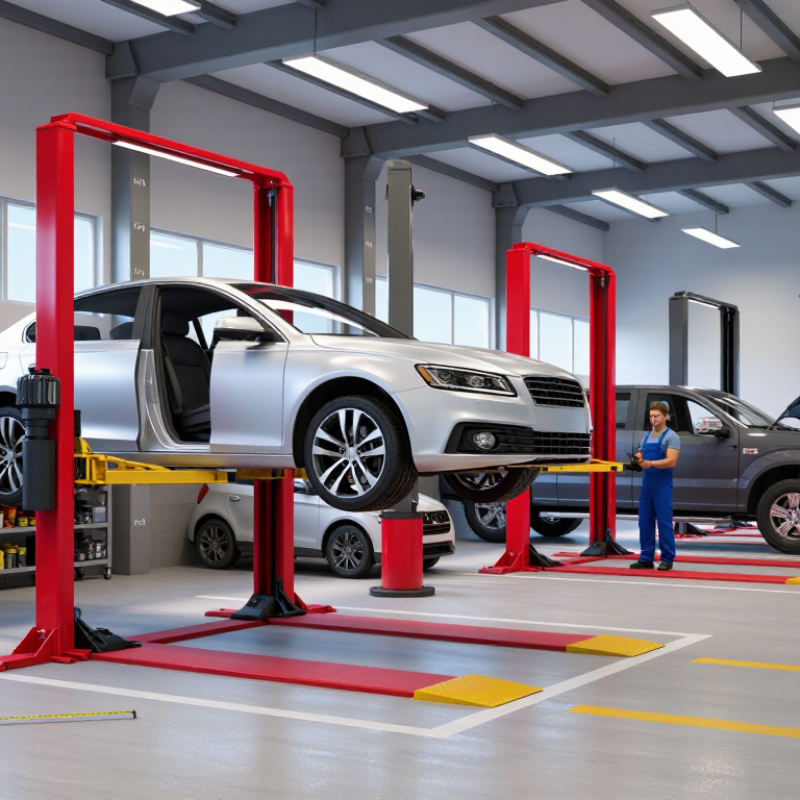
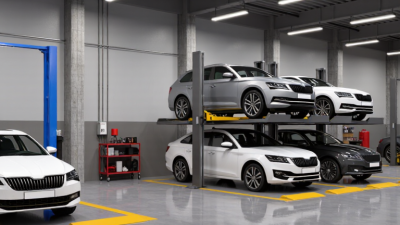
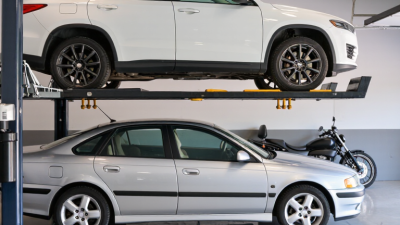
A parking stacker and a service lift solve different problems. A parking model prioritizes compact storage: measure ceiling height, vehicle length, and door-opening clearance before choosing a layout. It may fit two cars in one bay, but check whether the lower car can leave independently. If not, the extra space may become a daily inconvenience.
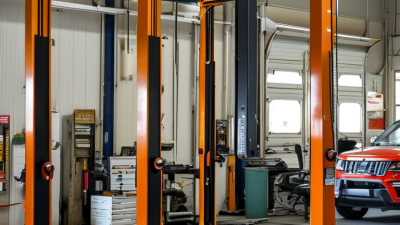
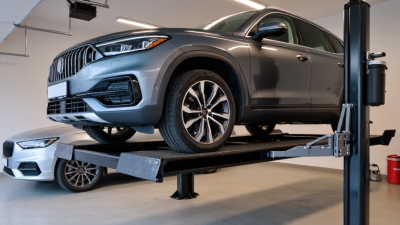
A service stacker needs clear access beneath the raised vehicle, plus suitable working height and capacity. The EPA’s 2023 Automotive Trends Report puts average new-vehicle weight at about 4,329 pounds for model year 2022. That average is only a reference, not a safe lift rating. Compare the lift’s rated capacity with the heaviest vehicle you expect, including tools or cargo. Leave room for real working conditions. That matters.
For combined use, list the actual vehicles and tasks first: storing a sedan, changing tires, or inspecting a taller SUV. Check platform width, lifting height, ceiling obstructions, and approach clearance against the equipment specifications. A common planning weakness is choosing by capacity alone. A lift may hold the vehicle yet leave too little headroom for safe, practical work. Recheck measurements on site; drawings can miss pipes, beams, or a sloped floor. The right Car Lift Stacker depends on how often you need access, not just how many cars fit.
| Selection Factor | Parking Stacker | Service Lift | Combined-Use Lift |
|---|---|---|---|
| Main purpose | Stores one vehicle above another to increase parking capacity. | Raises a vehicle to provide access for inspection, repair, and maintenance. | Supports vehicle storage and selected maintenance tasks, subject to the lift’s approved design. |
| Typical users | Residential garages, parking facilities, vehicle storage operations, and property managers. | Automotive workshops, inspection areas, and maintenance facilities. | Facilities that need both vehicle storage and occasional servicing in the same work area. |
| Platform and access | Usually uses runways or a platform; access beneath a stored vehicle may be limited and is not automatically suitable for repair work. | Designed to provide working access to the vehicle; the platform, runways, or supports depend on the lift configuration. | Must provide the access and support arrangement required for both intended parking and service tasks. |
| Vehicle movement | May require moving the lower vehicle before the upper vehicle can be lowered, depending on the configuration. | Typically raises and lowers one vehicle in a service bay; vehicle positioning and access clearances are key. | Plan for both parking access and workshop workflow, including any vehicle that may block the lift. |
| Space to check | Measure ceiling height, vehicle height, platform height, approach space, and the required clearance between stacked vehicles. | Check bay width and length, ceiling height, lift height, access around the vehicle, and room for tools or equipment. | Check the larger space requirement created by parking clearances, service access, and safe movement around the lift. |
| Capacity and vehicle fit | Confirm the rated capacity and platform dimensions for each vehicle position; account for vehicle weight, length, width, and height. | Match rated capacity and support-point requirements to the heaviest vehicle and the work being performed. | Verify that the lift is rated and configured for every planned use; parking suitability does not by itself establish service suitability. |
| Operating priorities | Prioritize efficient storage, straightforward vehicle access, and suitable protection for vehicles left elevated. | Prioritize safe positioning, stable support, usable working height, and compatibility with the intended maintenance procedures. | Prioritize a clearly defined operating procedure that prevents parking needs from conflicting with servicing work. |
| Safety and installation | Check floor and anchoring requirements, locking mechanisms, vehicle restraints, and the manufacturer’s operating instructions. | Check the required foundation, installation conditions, mechanical locks, safe lifting points, and applicable workplace rules. | Confirm that the installation and safety provisions cover both approved operating modes; use only the lift’s specified procedures. |
| Best fit when | The primary goal is to park or store more vehicles in a limited footprint. | The primary goal is regular access for vehicle inspection, repair, or maintenance. | Both parking and service are required, and the selected equipment is explicitly designed and rated for both. |
Note: Lift designs, rated capacities, clearances, and installation requirements vary. Confirm vehicle specifications, site conditions, local requirements, and the equipment documentation before selection or use.
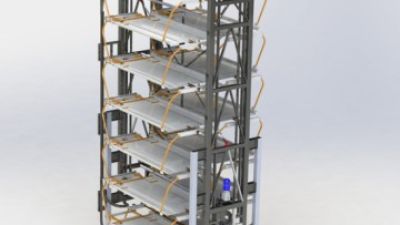
A customized 2,350 kg rotary car parking system helps busy sites make better use of limited land by arranging vehicles vertically instead of spreading parking spaces across a larger area. With a compact footprint of just 7 × 5.8 m, it can add high-density parking capacity at shopping malls, medical facilities and other locations where every square metre matters. Its heavy-duty design supports vehicles weighing up to 2,350 kg, with a 2,000 kg option available to suit different project requirements.
Customization allows the system to be adapted to the site layout and operational needs, while a 15–22 kW motor powers vehicle movement through the rotary parking structure. Efficient retrieval can help reduce waiting and congestion during busy periods, making parking more convenient for drivers and staff. CE approval and construction to stringent quality and safety standards support dependable, long-term operation. With project-specific options available on request, the system offers a practical way to increase parking capacity without requiring a large ground-level footprint.
A parking stacker focuses on compact storage. A service lift needs enough room beneath the raised vehicle for work. Combined use requires checking both storage and working clearances.
Measure vehicle height, length, and width, including roof racks and antennas. Measure the bay from floor to its lowest obstruction. Check pipes, beams, lights, and doors. Measure twice.
Include the vehicle’s full height, platform height, and overhead working space. Add room for doors and loading paths. Tight measurements can cause daily hassles.
Possibly, but check whether the lower car can leave independently. Also measure both vehicles in position, including door-opening space. Two cars may fit yet feel inconvenient.
Compare its rated capacity with your heaviest expected vehicle, including tools or cargo. Average vehicle weight is only a reference. Never estimate the load.
Request a written assessment of the floor, ceiling clearance, power supply, and anchoring area. A drawing may miss a sloped floor or hidden beam.
Request a written inspection schedule, maintenance intervals, fault-reporting steps, and parts information. Confirm who installs the lift and trains operators. Verbal promises are easy to forget.
Choosing by lifting capacity alone. The lift may hold the vehicle but leave too little headroom for practical work. I once missed a roof accessory; the plan changed.
Choosing the right Car Lift Stacker starts with identifying how it will be used: for parking, vehicle service, or both. Match its rated capacity to the vehicle’s gross vehicle weight rating and follow the manufacturer’s load limits. Before purchase, verify that the lift’s certification meets applicable ANSI/ALI ALCTV-2017 requirements, and confirm that the ceiling height, bay clearance, and available space can accommodate the intended stacked vehicles.
Next, compare platform width and runway length with each vehicle’s wheelbase and dimensions. Check that the site has a suitable power supply, and assess the safety locks and emergency-lowering features. Finally, understand the installation conditions and ongoing inspection and maintenance needs. Considering these factors together can help ensure the stacker fits the vehicles and space, supports safe operation, and remains practical to maintain.