Leave Your Message
0%

Picking out the best garage parking lift really starts with understanding your actual parking situation, not just looking at pretty pictures of products. Things like a narrow garage, a low ceiling, or a heavy SUV can totally change what kind of lift will work best for you. Before you start comparing models, make sure to measure your ceiling height, driveway clearance, the length of your vehicle, and how much space you have on the floor. And don’t forget to note the total weight of your car, including passengers and any gear they might be carrying. Sometimes, it’s the little details that make all the difference.

A good lift parking system should have the right weight capacity, stable platforms, mechanical safety locks, and straightforward controls. When talking to suppliers, ask about how installation works, maintenance routines, emergency procedures, and whether replacement parts are easy to get. You've probably seen lifts looking super solid in showrooms, but the real test is how they perform on uneven floors or in your specific garage. That’s why professional installation is worth it—check the installer’s experience, past projects, and support options. And instead of just taking their word for it, ask for technical documents so you really know what you’re getting.

Think about your daily routine, too. Are you parking just one car, or swapping between a few? Will kids or visitors be nearby? Sometimes, a lift that’s a bit slower but has better safety features and controls is actually smarter than the fastest model. And don’t forget about noise, lighting, drainage, or even winter moisture—these might seem minor but they can impact how well your lift works in the long run.

Honestly, there’s no such thing as a perfect lift. Your first choice might not be the final one. Once your lift arrives, double-check all those measurements again—sometimes packaging or access can throw a wrench in the plans. Be sure to compare total costs of ownership, not just the sticker price. A trustworthy seller will be upfront about what the lift can and can’t do, and recommend a model that matches your vehicles, garage space, and maintenance skills. That honest talk often beats the shiny sales pitch every time.
How to Choose the Best Garage Parking Lift?

What Is a Garage Parking Lift and How Does It Work?

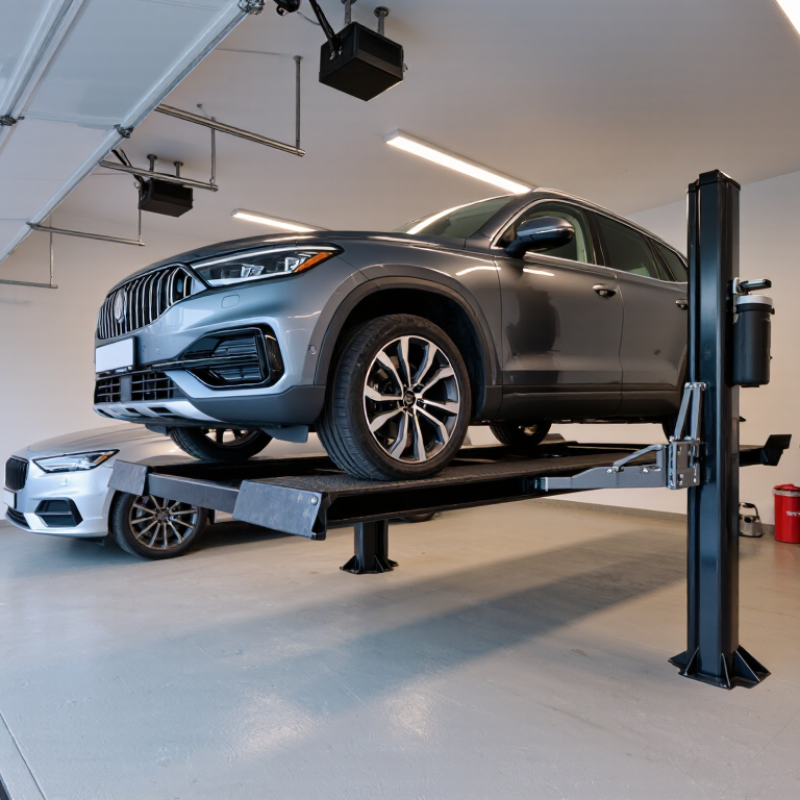
A Parking Lift Garage is a mechanical system that stores one vehicle above another. It uses a steel platform, hydraulic cylinders, cables, or electric drives. The lower car stays on the floor, while the platform rises along guided columns. Mechanical safety locks then hold it in place. The lift should not depend only on hydraulic pressure.

The 2017 INRIX Global Traffic Scorecard found that U.S. drivers spent about 17 hours searching for parking annually. A residential lift can reclaim part of that wasted space, especially where widening a garage is impossible. Before choosing one, measure ceiling height, driveway slope, vehicle width, and the heaviest car’s loaded weight. A few centimeters can decide whether doors open comfortably.

Look closely at the rated capacity, locking system, platform surface, and emergency lowering procedure. Professional installers should verify the concrete slab and electrical supply. Relevant lift standards, including ANSI/ALI vehicle-lift requirements, emphasize structural safety and documented inspections. I once underestimated a vehicle’s roof height and ignored overhead storage. That mistake made the installation less practical than expected. Real use matters. Leave room for mirrors, tires, drainage, and walking clearance. A quiet motor is helpful, but reliable locks matter more.

What Types of Garage Parking Lifts Are Available?

How to Choose the Best Garage Parking Lift?

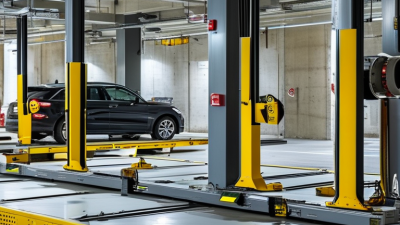
Garage parking lifts come in several practical designs. A two-post lift stores one vehicle above another using four lifting arms. It saves floor space but needs careful vehicle balancing. A four-post lift supports the tires along sturdy runways. It usually feels more stable for storage, inspection, and heavier vehicles. Ceiling height matters greatly.

A scissor lift rises from a compact platform beneath the vehicle. Its footprint is smaller, but access underneath can be limited.

A parking stacker uses a movable platform or ramp system. Some models allow one car to move independently, while simpler models require the lower car to leave first.

Automated puzzle lifts use linked platforms and can serve dense parking areas. They need reliable controls and regular technical checks.

Measure everything twice. Include the vehicle’s height, mirror width, wheelbase, garage door travel, and walking clearance. Check the concrete slab, anchor positions, electrical supply, and drainage before choosing equipment.

A qualified installer should verify rated capacity and local building requirements. A practical mistake is measuring only the empty bay. Doors, roof racks, and uneven flooring can change the result.

The cheapest layout may also create daily frustration. A lift should match your vehicle weight, usage frequency, maintenance ability, and tolerance for tighter clearances. Safety labels, emergency stops, mechanical locks, and documented inspections are not decorative details. They are essential working features.

How to Assess Your Garage Space and Vehicle Requirements

How to Choose the Best Garage Parking Lift?

Before choosing a Garage Parking Lift, measure the space as if a large SUV were arriving. The U.S. EPA’s 2023 Automotive Trends Report shows that vehicle footprints have grown over time. That change matters in a tight garage. Record the ceiling height, door clearance, column spacing, floor slope, and turning radius. Measure the vehicle’s full length, width, height, wheelbase, and weight. Include roof rails, mirrors, and the opened hatch. Small details become expensive surprises.

The floor deserves serious attention. Check its thickness, concrete condition, drainage, and visible cracks. A qualified installer should verify structural capacity and anchoring requirements. ANSI/ALI ALCTV safety requirements provide a useful technical reference for automotive lifts, but local building and electrical rules still apply. Never rely on a brochure’s maximum capacity alone. Your daily vehicle may be lighter, yet uneven loading can change the risk. I would measure twice. I still sometimes miss the hatch clearance.

Tips: Leave practical walking space beside the parked vehicle. Mark the lift footprint with tape, then simulate opening both doors. Add space for bicycles, storage bins, and emergency access. If the garage is narrow, compare a wider platform with a lower lift height. The best fit is not always the tallest option. EPA data can describe vehicle trends, but your own measurements decide compatibility. Ask an experienced technician to review the plan before installation.

Which Safety Features Should a Parking Lift Include?

A safe parking lift begins with stable engineering, not a low purchase price. From practical inspections, the strongest systems show clear safety markings and solid welds. The platform should remain level while rising and lowering. Watch the columns, cables, chains, and hydraulic lines closely. Small details matter.

Reliable parking lifts need automatic mechanical locks at several height positions. These locks should engage before anyone walks beneath the raised platform. Anti-drop valves can limit sudden movement after hydraulic failure. Overload sensors, upper travel limits, and emergency-stop controls add valuable protection. The controls should be simple. Confusing buttons create avoidable mistakes. A nonslip platform, wheel stops, side guards, and bright lighting also reduce daily risks. Never depend on a single sensor.

If the facility uses a Parking Garage Man Lift, separate its controls and operating procedures from vehicle-lift equipment. People and vehicles require different protection measures. Ask for inspection records, maintenance instructions, and operator training materials before installation. Check whether the lift matches the garage floor, ceiling height, vehicle weight, and local safety requirements. During a site visit, listen for unusual pump noise and look for oil around fittings. These signs may seem minor, but they deserve attention. No checklist is perfect. Regular hands-on inspections still matter, especially after heavy use, power interruptions, or accidental impacts.

How to Choose the Best Garage Parking Lift?

Which Safety Features Should a Parking Lift Include?

This checklist highlights safety functions that buyers should verify before selecting a garage parking lift. A value of 1 means the feature should be present and documented; a value of 0 means it is missing or cannot be verified.

The checklist reflects commonly recognized vehicle-lift safety practices, including mechanical load-holding devices, overload protection, anti-drop protection, emergency stopping, platform leveling, vehicle restraints, and guarded pinch points. Always confirm the applicable local code and the manufacturer’s certification, installation, inspection, and maintenance requirements.

How to Compare Lift Capacity, Dimensions, and Installation Needs

How to Choose the Best Garage Parking Lift?

How to Compare Lift Capacity, Dimensions, and Installation Needs

Choosing a garage parking lift starts with measured facts, not attractive photos. Capacity must exceed the vehicle’s curb weight, passengers, and stored cargo. I usually record the heaviest vehicle first. Add a safety margin recommended by the manufacturer and local requirements. A 2,700-kilogram rating may not suit a loaded electric vehicle. Weight distribution matters too. Check axle limits, tire contact points, and ramp angles. A lift can be strong yet unsuitable.

Dimensions deserve the same attention. Measure ceiling height, bay width, floor length, and the opening path. Include mirrors, doors, ramps, and post spacing. Compare usable platform width, not outside width. Leave walking space beside the vehicle. Small errors become annoying every day. I once overlooked a low beam. That was my mistake. Clearance above the raised vehicle should include roof accessories and suspension movement. Do not rely on one tape measurement.

Installation needs can decide the purchase. Review slab thickness, concrete strength, drainage, lighting, and electrical access before delivery. Anchors must match the approved installation method. Cracks, uneven floors, or weak concrete require qualified evaluation. Some installations need several people and lifting equipment. That cost is easy to underestimate. Hydraulic lines, locking systems, and emergency lowering controls should remain accessible. Ask for load testing, alignment checks, and written maintenance instructions. A competent installer should explain what was checked, not merely tighten bolts.

How to Evaluate Cost, Maintenance, and Long-Term Value

Choosing a Parking Garage Lift System requires more than comparing purchase prices. Include foundation work, electrical upgrades, delivery, commissioning, inspections, and operator training. A low bid can become expensive when replacement parts require overseas shipping. Ask for a five-year cost schedule, not only a quotation.

The National Institute of Building Sciences reports that operations and maintenance can represent 60–85% of a building’s total life-cycle cost. That figure changes the decision. Review lubrication intervals, hydraulic-fluid requirements, corrosion protection, and emergency lowering procedures. The U.S. Department of Energy’s Federal Energy Management Program also identifies preventive maintenance as a practical way to reduce downtime and extend equipment life. Request maintenance records from similar installations. Look for measured service intervals, not vague promises.

Reliability needs numbers. Ask about rated cycles, inspection frequency, average repair response, and documented load testing. Industry guidance from the International Parking & Mobility Institute treats uptime, user safety, and operating cost as essential parking performance measures. Calculate the cost of one unavailable space per day. It may exceed the monthly service fee. I still distrust the cheapest spreadsheet. It often hides labor, drainage, ventilation, or replacement controls. A qualified engineer should review site conditions and vehicle dimensions before approval. Leave room for mistakes; real garages collect dust, water, rushed drivers, and imperfect maintenance habits.

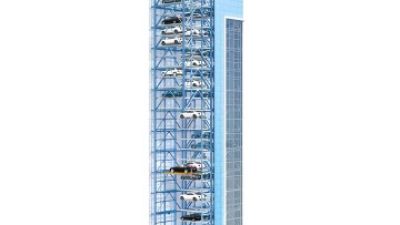
China’s Fully Automated Vertical Parking Systems: Tower Garage Solutions for Space-Saving Urban Mobility

As urban land becomes increasingly scarce, China’s fully automated vertical parking systems offer a practical alternative to conventional surface lots. The United Nations Department of Economic and Social Affairs projects that nearly 68% of the global population will live in urban areas by 2050, intensifying pressure on limited land and existing transport infrastructure. A Tower Garage uses vertical space instead of expanding horizontally, enabling real estate developments, commercial districts, and public parking facilities to accommodate more vehicles on a compact footprint.

The system provides automated vehicle lifting, storage, and retrieval within a fully enclosed structure, reducing dependence on ramps, internal driveways, and large open-air parking areas. Its enclosed design can also help protect vehicles from weather exposure while improving visual integration with modern buildings. The 2023 INRIX Global Traffic Scorecard reported that drivers in major cities lose significant time in congestion, highlighting the value of faster and more organized parking operations. With digital controls, high parking capacity, and efficient space utilization, vertical lifting technology can support denser urban development while delivering a convenient user experience. It is particularly suitable for projects where land costs are high and parking demand continues to grow.

FAQS

What types of garage parking lifts are available?

Two-post lifts use four arms and stack one vehicle above another. Four-post lifts support the tires on sturdy runways. Scissor lifts use a compact platform beneath the vehicle. Parking stackers use movable platforms or ramps. Automated systems connect several platforms. Each design has trade-offs.

Which lift is more stable for storage?

Four-post lifts usually feel more stable for long-term storage. Their runways support the tires directly. They may also suit heavier vehicles. However, they require enough ceiling height and floor space.

How much garage space should I measure?

Measure ceiling height, door travel, column spacing, and turning radius. Record the vehicle’s length, width, height, wheelbase, and weight. Include mirrors, roof rails, and an opened hatch. Leave walking space beside the vehicle. Empty-bay measurements are not enough.

Why does ceiling height matter?

The upper vehicle needs enough clearance below the ceiling. Garage doors, lights, and roof rails reduce usable height. A taller lift can create daily inconvenience. Sometimes lower is better.

What should I check about the garage floor?

Check concrete thickness, visible cracks, drainage, slope, and anchor positions. The slab must suit the lift’s structural demands. A qualified installer should verify anchoring requirements. Do not trust capacity figures alone.

How can I test whether the layout will work?

Mark the lift footprint with tape on the floor. Park the vehicle inside the marked area. Open both doors and the rear hatch. Walk around it with storage bins nearby. This simple test exposes awkward clearances.

Can a parking stacker move either vehicle independently?

Some stackers let one vehicle move without relocating the other. Simpler designs require the lower vehicle to leave first. Check this feature before installation. Daily use may become frustrating otherwise.

What safety features should a lift include?

Look for mechanical locks, emergency stops, safety labels, and inspection records. Controls should be reliable and easy to understand. Automated systems need regular technical checks. Safety details are working necessities. I would still request a technician’s review.

Conclusion

Choosing the best Garage Parking Lift starts with understanding how it raises and stores a vehicle to make better use of limited garage space. Common options include two-post, four-post, scissor, and portable lifting systems, each suited to different vehicle sizes, ceiling heights, and storage goals. Before selecting one, measure the garage’s length, width, ceiling clearance, floor condition, and access points. Consider the vehicle’s weight, dimensions, wheelbase, and any future vehicle changes to ensure the lift will remain practical.

Safety should be a priority, so look for reliable locking systems, stable support points, overload protection, secure restraints, and clear operating instructions. Compare rated capacity, platform dimensions, lifting height, power requirements, assembly procedures, and professional installation needs. Cost should include delivery, installation, inspections, maintenance, and possible repairs rather than only the initial purchase price. A well-matched lift with durable construction, accessible replacement parts, and straightforward upkeep can improve storage efficiency and provide better long-term value.
Liam

Liam

Liam is a dedicated marketing professional based in Jiading District, Shanghai, who plays a pivotal role in promoting the company's innovative mechanical parking systems. With a deep understanding of the industry, he consistently updates the company's professional blog, sharing insights on......
Previous Why Choose a Car Stacker for Efficient Parking Solutions?