Have you heard about Parking Lot Robots? They're really changing the game when it comes to how businesses handle vehicle parking. According to a recent report from Market Research Future, the worldwide market for these robots is projected to hit $1.2 billion by 2025 — a clear sign that automation is really catching on. I chatted with Dr. Mark Thompson from Automation Solutions, and he said, ‘Parking Lot Robots aren’t just about being efficient—they can also save businesses a lot of money.’
More and more companies are realizing that automating parking operations makes a lot of sense. These robots can cut down on labor costs, reduce human mistakes, and even help optimize space and traffic flow — all issues that are pretty common in large parking facilities. But, of course, picking the right system isn’t exactly a walk in the park. You’ve got to consider your specific needs carefully.
The world of Parking Lot Robots is definitely evolving fast, with all kinds of new technologies popping up. So, companies really need to think about what suits them best before jumping in. Even though the benefits are pretty tempting, sometimes there can be hurdles in integrating the tech smoothly. With the right careful planning, though, it’s definitely possible to make the most of these solutions and really boost parking efficiency.
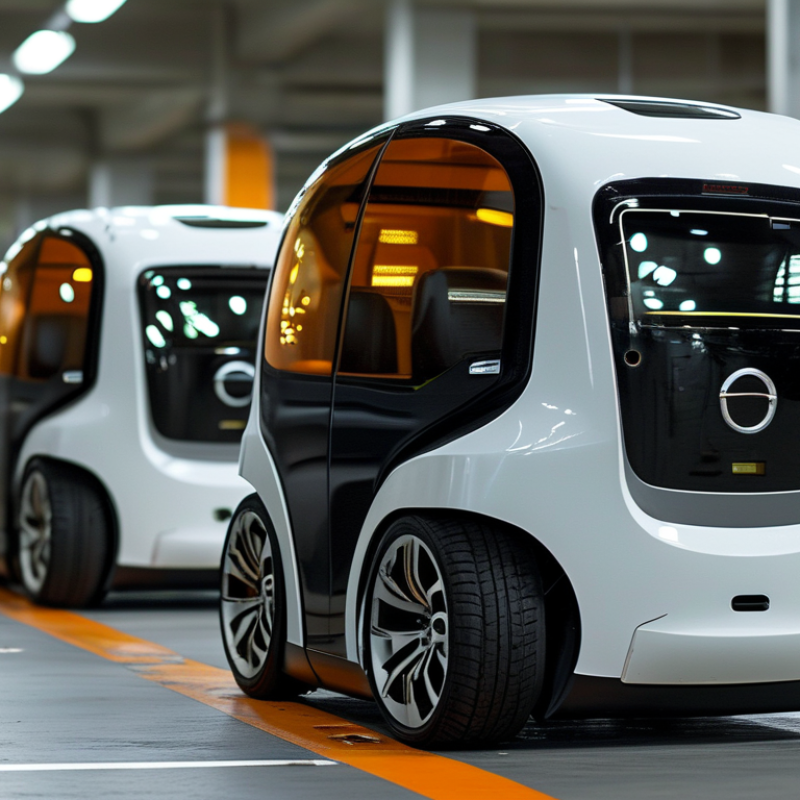
Understanding the Role of Parking Lot Robots in Modern Businesses
Parking lot robots are reshaping modern business operations. These autonomous machines streamline parking processes. They enhance customer experience by minimizing wait times. Businesses can increase efficiency and maximize space usage. More companies are recognizing their value in busy urban environments.
The integration of parking robots is not without challenges. Some businesses may struggle with the initial costs of purchase and maintenance. Staff training is essential for smooth operations. Ensuring reliable connectivity and software updates is crucial for performance. Businesses must weigh these considerations before adopting this technology. Reflecting on these factors can lead to a more informed decision.
Understanding the role of parking lot robots goes beyond mere automation. They symbolize a shift towards smart city solutions. As urban areas become more congested, innovative parking solutions are necessary. Investing in parking robots can position a business as a forward-thinking leader. However, acknowledging potential pitfalls is just as important as recognizing the benefits.
Key Features to Look for in Parking Lot Robots
When selecting parking lot robots, key features make all the difference. Start with mobility. Robots must easily navigate tight spaces. Smooth movement across diverse terrains is crucial. Some models struggle on uneven surfaces. This could lead to damage or accidents.
Next, consider charging options. Efficient robots often feature automatic charging stations. This ensures they remain operational without regular oversight. Various designs may require manual charging, which can become tedious. Look for ones with long battery life to minimize downtime.
Safety features are non-negotiable. Robots should be equipped with sensors to avoid obstacles. However, some designs may misinterpret movement, causing delays. Evaluate their response times. Additionally, user-friendly interfaces enhance the efficiency of operations. A complicated control system may lead to errors. Opt for models that provide clear visual communication. This ensures a seamless experience for both operators and users.
Evaluating Different Technologies Used in Parking Lot Robots
When evaluating Parking Lot robots, it's essential to consider the technologies they employ. Common systems utilize Lidar, cameras, and GPS for navigation and obstacle detection. A report by MarketsandMarkets states that the parking automation market is projected to grow by 20% annually, driven by the increasing need for efficient space management.
Lidar technology offers precise distance measurement, making it a favored choice for parking lot robots. It allows for accurate mapping of the environment, resulting in safer operations. However, its high cost and sensitivity to weather conditions can be drawbacks. On the other hand, systems relying on cameras are often more budget-friendly but may struggle in low-light or extreme weather conditions.
Moreover, integrating artificial intelligence improves the robots' ability to adapt to varied parking scenarios. According to a survey by Statista, 70% of businesses reported increased efficiency after deploying these advanced robotic solutions. Still, issues like software bugs often arise, necessitating ongoing monitoring and updates. Exploring the balance between cost, reliability, and technology choice is crucial for businesses looking to implement parking lot robots effectively.
Comparison of Different Parking Lot Robot Technologies
This chart illustrates the performance metrics of different parking lot robot technologies across three dimensions: efficiency, cost-effectiveness, and user satisfaction. The data reflects general trends in the industry, excluding specific company identifiers.
Assessing the Cost-Effectiveness of Parking Lot Robots
Assessing the cost-effectiveness of parking lot robots is crucial for businesses.
These robots can significantly streamline operations. They can reduce labor costs while increasing parking capacity. However, initial investment remains a concern. Businesses must evaluate the return on investment carefully.
The maintenance costs of parking lot robots are another factor.
Routine checks and potential repairs can add up. If these costs exceed savings, it may not be a wise choice. Additionally, robot efficiency can fluctuate. Some models may not navigate certain terrains well. Inconsistent performance can impede smooth operations.
Investing in a Smart Parking Lot system can offer real advantages, yet it requires a thorough analysis.
Factors like energy consumption, software updates, or customer satisfaction play a role in the overall cost-benefit equation. Balancing these elements helps businesses make informed decisions.
It is essential to continuously monitor performance and adjust strategies as needed. Finding the right balance may require trial and error, but it’s integral for long-term success.
Compatibility with Existing Parking Infrastructure
When selecting parking lot robots, compatibility with existing parking infrastructure is crucial. Many businesses overlook this aspect and face challenges down the road. A study by the International Parking and Mobility Institute highlights that 45% of facilities running autonomous systems report integration issues with older architectures. This often leads to higher operational costs and downtime.
Understanding your current system is vital. Analyze your parking lot's layout, size, and technology. For instance, a compact urban facility will have different needs than a sprawling shopping complex. If the robots lack the ability to navigate tight spaces, they may not function effectively. According to recent market trends, over 60% of companies favor solutions that require minimal modifications to existing setups. This prevents disruptions and promotes a smoother transition.
Accessibility is another key factor. Some Parking Lot Lifts may not be compatible with specific robot models, causing issues in operation. A 2022 report found that facilities using retrofitted lifts saw a 30% increase in troubleshooting incidents. Businesses must invest time in understanding various robot designs and their requirements. Otherwise, the promise of automation could result in embarrassing delays and cost overruns.
Selecting the Right Size and Capacity for Your Business Needs
Choosing the right parking lot robot requires careful consideration of size and capacity. Smaller businesses may not need a large capacity robot. Consider how many vehicles you expect daily. If the number is low, a compact model will suffice. A model that is too large could lead to wasted resources and space.
Capacity is crucial. If your business layout is tight, opt for a robot designed for narrow spaces. These robots can maneuver effortlessly around obstacles. Assess the number of parking spots you need to manage. Overcapacity can lead to inefficiencies. You don't want to invest in unnecessary features that won't benefit your operations.
Reflect on future growth too. A robot with a slightly larger capacity can accommodate increased demand later. But don't overcommit. Choosing too large an investment can strain budgets. Balance immediate needs with potential growth. It's essential to find the right fit for your specific business requirements. Make sure your choice aligns with both current and future operations.
Reviewing Customer Service and Support Options for Parking Lot Robots
When selecting Parking Lot Robots, customer service and support options are crucial. Effective support ensures that any issues are addressed swiftly. It's important to have a provider that offers various support channels. Look for companies that provide phone support, online chat, and email options. The availability of 24/7 assistance can make a significant difference in your operations.
One aspect to consider is the training provided for your team. Ongoing training enhances the effectiveness of Parking Lot Systems. Adequate training can reduce operational hiccups and empower staff. Providers that offer comprehensive training programs often demonstrate a commitment to customer success. Evaluate whether the training is remote, in-person, or both. Flexibility in training options may suit your business needs better.
Maintaining the robots requires regular updates and maintenance support. Understanding how these services work is important. Some companies offer preventive maintenance plans, which are valuable for minimizing downtime. Others might provide assistance only when issues arise, which could lead to delays. Consider the long-term benefits of having a proactive maintenance strategy as you choose the right Parking Lot Robots for your business.
Emerging Trends and Market Opportunities in Automated Robotic Parking Systems: Insights from Industry Reports and Data
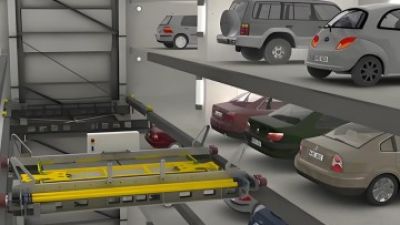
The emergence of automated robotic parking systems is shaping the landscape of urban infrastructure, particularly in high-traffic commercial environments. Industry reports indicate that the global automated parking systems market is projected to grow significantly, expanding at a compound annual growth rate (CAGR) of over 15% from 2023 to 2030. This growth is largely driven by the increasing need for parking efficiency and space optimization in densely populated areas such as shopping centers and hospitals. The innovative plane moving parking system exemplifies this trend by offering a fully automated solution that optimizes space utilization and expedites vehicle retrieval, which is crucial in settings experiencing high vehicle turnover.
Furthermore, the adaptability of these systems is evident in their ability to accommodate configurations from 2 to 12 levels, catering to various site constraints. Research data shows that ramp-free designs like this not only reduce parking congestion but also enhance safety by minimizing the potential for accidents typically associated with traditional parking setups. Comprehensive safety mechanisms embedded within these systems further ensure the secure operation for both vehicles and users, aligning with increasing regulatory requirements and safety standards. As cities continue to seek sustainable and efficient solutions, the demand for customizable and intelligent parking technologies will likely rise, underscoring the importance of partnering with reputable suppliers that emphasize quality and reliability in their offerings.
FAQS
: Parking lot robots streamline parking processes and enhance the customer experience. They minimize wait times effectively.
Businesses can increase efficiency and maximize space usage. They are particularly valuable in busy urban environments.
Initial costs of purchase and maintenance can be high. Staff training is also necessary for smooth operations.
Common technologies include Lidar, cameras, and GPS for navigation and obstacle detection. Each has its pros and cons.
Lidar offers precise distance measurements, which helps ensure safer operations. However, it can be expensive and sensitive to weather.
Yes, camera systems are often more budget-friendly. However, they may struggle in low-light or extreme weather conditions.
AI enables robots to adapt to different parking scenarios better. This can lead to increased operational efficiency.
Software bugs and connectivity issues often occur. Regular monitoring and updates are essential for maintaining performance.
Businesses must balance cost, reliability, and technology options. Reflecting on these factors leads to informed decisions.
Yes, investing in parking robots positions a business as innovative. However, recognizing potential issues is equally important.
Conclusion
Parking Lot Robots are emerging as a vital solution for modern businesses looking to streamline their parking operations. Understanding their role involves recognizing the automation and efficiency they bring to managing vehicle storage. When choosing the best Parking Lot Robots, it’s crucial to assess key features such as technology, size, and capacity that align with the specific needs of your business.
Evaluating different technologies can lead to making informed choices about their functionality and reliability. Additionally, considering cost-effectiveness and compatibility with existing parking infrastructure is essential for maximizing investment. Finally, customer service and support options should not be overlooked, as they can significantly enhance the operational longevity and efficiency of Parking Lot Robots in your business environment.