Choosing the right Hydraulic Car Stacker can feel pretty overwhelming at first. Honestly, the market’s got so many options tailored to different lifting needs and space constraints, it can be a bit dizzying. Oh, and did you know? According to a recent report from Market Research Future, the global hydraulic lift market is expected to grow a lot—mainly because a lot more automotive businesses are now needing these lifts.
I talked to John Smith from Lift Solutions, and he really stresses how important it is to pick the right model. He basically said, "The success of your operation really depends on choosing the right Hydraulic Car Stacker." When you're trying to decide, don’t forget to look at things like how much weight it can handle, how high it can lift, and whether it’ll fit into your workspace easily.
With so many options out there, I totally get how tricky it can be. Some models might not quite match what you’re looking for, so it’s super important to ask plenty of questions and do your homework. Knowing exactly what you need will help you find the perfect Hydraulic Car Stacker that works well for your shop or garage.
Factors to Consider When Choosing a Hydraulic Car Stacker
Choosing the right hydraulic car stacker involves careful consideration of several factors.
Load capacity is paramount. Many stackers can safely lift between 1,500 to 3,000 pounds. Ensure the model meets your specific requirements. An underpowered stacker may lead to frequent breakdowns or safety issues.
The height adjustment feature should not be overlooked. Stackers typically range from 14 to 26 inches. For mechanics or automotive shops, having a range that facilitates easy access to undercarriages is essential.
Compact design is another consideration, especially if floor space is limited.
Material quality impacts durability and performance. Steel frames tend to offer better longevity. However, some stackers use lighter materials for ease of maneuvering. Balancing weight and strength is often challenging.
Always account for the working environment. Experts note that the average lifespan of a hydraulic stacker is about 5 to 10 years, depending on usage and maintenance. Regular inspections are crucial for maximizing this lifespan.
Types of Hydraulic Car Stackers and Their Applications
Hydraulic car stackers come in various types, each tailored for specific applications. Understanding these types is crucial for selecting the right equipment. Common types include mobile stackers, two-post lifts, and four-post lifts.
Mobile stackers are ideal for small garages and enable flexible parking solutions. Statistics show that nearly 70% of car dealerships utilize hydraulic stackers to maximize space efficiency.
Two-post lifts are designed for heavier vehicles. They offer greater lifting capacity and are often used in automotive service shops. According to industry reports, these lifts can handle weights up to 6,000 pounds.
Four-post lifts provide additional stability and are perfect for storing cars long-term. They're a popular choice for Car Stacker Car Park setups where space management is essential.
When choosing a hydraulic car stacker, consider your space constraints and intended use. Opt for stackers with safety features like automatic locking mechanisms. Also, assess the weight capacity. Failing to choose the right type can lead to inefficiencies and increased costs.
Regular maintenance is vital. A neglected stacker can become unsafe. So, always refer to manufacturer guidelines for upkeep. Finding the right stacker can seem daunting, but with careful consideration and planning, you can enhance your car storage solutions effectively.
Key Specifications: Load Capacity and Lift Height Requirements
When selecting a hydraulic Car Stacker, understanding load capacity is crucial. The load capacity determines how much weight the stacker can handle safely. For example, if you frequently work with SUVs or trucks, you’ll need a higher capacity. Always check this specification to ensure it meets your needs.
Another vital specification is lift height. Different tasks require various heights. A car stacker that lifts only a few feet may be fine for tire changes. However, if you need to perform underbody inspections, a taller lift is necessary. Be aware that higher lifts can impact stability and safety. Always reflect on your typical use cases before making a decision.
It’s also wise to consider the design and stability of the stacker. A poorly designed car stacker can pose risks. Users should inspect all components and features before purchase. Seek a stacker that combines both strength and safety. Adjustability is an added feature worth contemplating, as it can enhance versatility in operations.
Safety Features to Look for in Hydraulic Car Stackers
When selecting a hydraulic car stacker, safety features should be a top priority. Look for stackers equipped with emergency stop buttons. These buttons can quickly halt operations in case of an unexpected situation. Additionally, an automatic lowering feature can prevent accidents during load descent. If the stacker has a built-in overload protection system, this can significantly reduce the risks associated with excessive weight.
Another vital element is the presence of anti-slip surfaces. These surfaces provide better grip, especially in wet conditions. Adjustable safety arms or stabilizers can enhance stability, ensuring that the stacker remains secure while lifting. Always check for clear safety labels or warnings on the machine. These indicators can guide users on safe operation, reducing the chance of misuse.
Pay attention to the design of the hydraulic system. A well-designed system reduces the risk of leaks, which can create hazardous environments. Investing in a stacker with a robust hydraulic mechanism offers peace of mind. It is essential to consider these safety features thoroughly, as they can prevent costly accidents and ensure a secure lifting experience.
Importance of Maintenance and Durability in Selection
When selecting a hydraulic car stacker, maintenance and durability are crucial factors. A well-maintained stacker can significantly extend its service life. Industry reports indicate that nearly 30% of equipment failures stem from inadequate maintenance. Regular inspections can prevent major breakdowns and costly repairs.
A stacker's durability is essential, especially in demanding environments. Look for models constructed from high-quality materials. According to recent studies, stackers made from steel tend to have a longer lifespan compared to those made from lesser materials. Additionally, check the manufacturer's specifications for weight capacity and safety features.
The cost of repairs often outweighs initial savings on cheaper models. Organizations may find that investing in durable equipment pays off in the long run. A detailed maintenance schedule can mitigate potential issues, but many users overlook this vital practice. Some operators think that using their stacker without a proper regimen is acceptable. This mindset can lead to premature equipment failure. Taking the time to prioritize maintenance and durability will ultimately lead to better operational efficiency and safety.
Cost Analysis: Budgeting for Your Hydraulic Car Stacker
When considering the purchase of a hydraulic car stacker, budgeting plays a crucial role. The initial cost can vary significantly based on factors like capacity, features, and materials. According to industry data, the average price range for a hydraulic car stacker typically falls between $2,000 and $10,000. Businesses must assess their specific needs to determine where they fit within this spectrum.
Maintenance and operational costs should also factor into your budget. Regular inspections and potential repairs are necessary to ensure safety and efficiency. For instance, studies indicate that around 15% of the total cost of ownership over five years can stem from maintenance alone. Additionally, consider the energy consumption of your Car Park Stacker. Hydraulic systems generally consume more power, which could lead to higher utility bills over time.
Finally, think about possible financing or leasing options. These methods can ease the burden of an upfront payment and help manage cash flow. Understanding your long-term needs helps make a more informed decision. Investing wisely in a hydraulic car stacker requires careful analysis of both initial and ongoing costs to optimize your investment.
Industry Standards and Certifications for Quality Assurance
Choosing the right hydraulic car stacker involves understanding industry standards and certifications. Each Stacker Car Lift should meet rigorous safety and performance criteria. Look for certifications from recognized organizations, as they ensure the equipment is tested for durability and safety.
Quality assurance is crucial when selecting a hydraulic car stacker. It guarantees that the stacker car lift can handle the load capacity specified. A lack of proper certification can lead to accidents. You might find some stackers without certifications but at a lower price. This could be tempting, but the risk isn't worth it.
It's essential to consider where and how often you'll use the stacker car lift. Performance can vary significantly, depending on the model. Reflect on your specific needs and the frequency of use. Sometimes, a more expensive stacker may offer better long-term value. Investing in high-quality equipment can save costs on repairs and replacements later.
How to Choose the Best Hydraulic Car Stacker for Your Needs?
| Feature |
Standard/Certification |
Importance |
| Load Capacity |
ISO 9001 |
Ensures safety and efficiency in load handling. |
| Stability Features |
CE Marking |
Indicates compliance with European safety standards. |
| Hydraulic System Quality |
ASME B30.1 |
Ensures reliable operation and safety in hydraulic systems. |
| Design and Ergonomics |
ANSI/ITSDF B56.1 |
Promotes safe use and reduces worker fatigue. |
| Manufacturing Quality |
ISO 14001 |
Ensures environmentally friendly practices in production. |
Innovative Vertical Parking Solutions: The Benefits of CE Certified Hydraulic Two Post Car Stackers
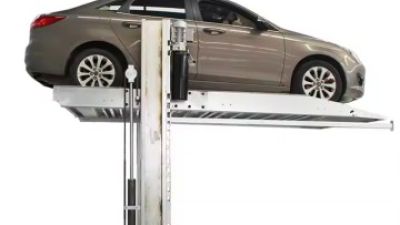
In the realm of urban development and parking solutions, innovative vertical parking systems are becoming increasingly essential due to their space-saving capabilities. Among these solutions, CE certified hydraulic two-post car stackers stand out for their efficiency and practicality. This advanced parking system is designed to accommodate two vehicles across two levels, making it an ideal choice for both residential and commercial spaces where maximizing land use is crucial.
The two-post design ensures ease of access, allowing users to park or retrieve the vehicle on the lower level at any time without hassle. While accessing the upper-level vehicle necessitates removing the lower-level vehicle first, this trade-off promotes a streamlined parking experience. With a remarkable maximum lifting height of 2,100 mm and load capacities of 2,700 kg, 2,300 kg, and 3,200 kg, these systems are capable of handling a variety of vehicles, from compact cars to larger SUVs.
As a prominent solution provider, customizable dimensions are offered to meet specific parking requirements, ensuring that each system fits seamlessly into the available space. Adopting these innovative vertical parking solutions not only enhances parking efficiency but also contributes to a more organized and aesthetically pleasing environment. Investing in a hydraulic two-post car stacker can ultimately enhance the functionality of any parking area, positioning it as a forward-thinking choice for modern urban challenges.
FAQS
: Key factors include load capacity, height adjustment, and material quality. Consider your specific needs.
Most stackers lift between 1,500 to 3,000 pounds. Choose according to your common tasks.
Height adjustment allows easy access to undercarriages. It’s crucial for mechanics and automotive shops.
Typically, a hydraulic stacker lasts between 5 to 10 years. Maintenance and usage influence this.
Steel frames offer durability, while lighter materials aid maneuverability. Balance weight and strength carefully.
Yes, design impacts stability and safety. Inspect all components before making a purchase decision.
Conclusion
When selecting the best Hydraulic Car Stacker for your needs, several key factors must be considered. These include assessing the load capacity and lift height requirements relevant to your specific applications, as different types of hydraulic car stackers serve various purposes. Safety features are paramount, ensuring that the stacker can operate securely, which will help mitigate risks during use.
Additionally, evaluating maintenance needs and the overall durability of the equipment is crucial for long-term satisfaction. Cost analysis should align with your budget without compromising quality. Lastly, ensuring that the hydraulic car stacker meets industry standards and certifications can provide added assurance regarding its reliability and performance. Taking these considerations into account will help you make an informed decision tailored to your operational requirements.