When it comes to the automotive world, picking the right Hydraulic Car Lifter really can make a big difference. Honestly, a lot of folks tend to overlook the nitty-gritty details like specs and safety features, but those things are super important. The Automotive Lift Institute recently highlighted that choosing the wrong equipment can cause failures, which often lead to costly repairs — nobody wants that mess.
Also, did you know the market for hydraulic car lifters is expected to grow about 6% each year from 2023 all the way to 2030? That just shows how much people are looking for safer, more efficient lifting options. But here’s the thing: with so many options out there, it can get pretty overwhelming. You really need to think about stuff like max weight capacity, how high it can lift, and whether it has the necessary safety certifications.
A lot of folks assume that if you’re paying more, you’re automatically getting better quality. Well, that’s not always the case. Sometimes, pricier models aren’t what they’re cracked up to be in terms of reliability. That’s why it’s so important to check out real user reviews — those can give you a much clearer picture. The key is understanding what you really need before making a choice. Picking the right Hydraulic Car Lifter isn’t just about professional advice; it’s also about matching it to your personal needs and doing a bit of homework first.
Understanding Types of Hydraulic Car Lifters Available on the Market
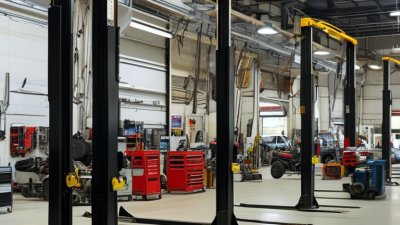
When considering hydraulic Car Lifters, it's essential to understand the various types available. These lifters can be broadly categorized into two main types: two-post and four-post car lifters. Two-post models offer a smaller footprint and are ideal for quick tire changes and repairs. They lift the vehicle from its chassis, providing easy access to the undercarriage. Statistics suggest that nearly 50% of shops prefer this design for its space efficiency.
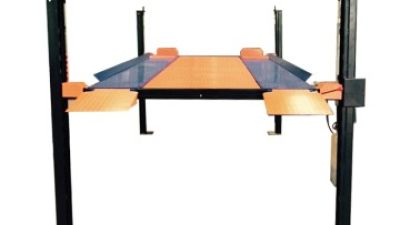
On the other hand, four-post car lifters provide greater stability and support. They are well-suited for heavier vehicles and extended repair times. Reports indicate that around 70% of professional mechanics favor these for their reliability. Portable options also exist, allowing for flexibility in smaller garages. Each type has its merits, and the choice often reflects the specific needs of the user.
Safety is another crucial aspect when selecting a hydraulic car lifter. It's vital to consider the weight capacity and ensure it meets your vehicle's specifications. Inadequately rated lifters can lead to accidents. Research shows that improper use and equipment choices account for nearly 25% of injuries in workshops. Evaluating the features and understanding the demands of your workspace will lead to a more informed purchase decision.
Key Features to Consider When Selecting a Hydraulic Car Lifter
When selecting a hydraulic car lifter, consider the lift capacity. This feature determines how heavy of a vehicle you can raise safely. It's crucial for mechanics or car enthusiasts who work with larger vehicles. Each model has a specific weight limit. Make sure to check if it accommodates your vehicles. Overloading can lead to safety issues.
Next, look at the lifting height. Some tasks require more clearance than others. A lifter with an adequate lifting height can provide better access for undercarriage work. You should also consider the construction material. A sturdy, well-built lifter ensures durability and longevity. A flimsy design might not support heavy use.
User experience is another critical factor. Customer reviews often highlight common issues and strengths. Look for patterns in feedback. If multiple users mention a specific problem, it's worth considering. Reflect on your specific needs and garage space. Finding a lifter that fits well in your workshop is essential. The right choice can enhance your work efficiency significantly.
Evaluating Load Capacity and Height Range for Your Specific Needs
When selecting a hydraulic car lifter, evaluating load capacity is vital. Different vehicles have varying weights. A standard sedan may weigh around 3,000 pounds. However, an SUV or truck can tip the scales at 5,000 pounds or more. Knowing the weight of your vehicle helps in choosing a suitable lifter. Many Car Parking Lifters offer specific load ratings. Selecting one that exceeds your vehicle's weight ensures safety.
Height range is another critical factor. Not all tasks require the same lift height. Some maintenance jobs are comfortable with just a couple of feet. Others, like undercarriage repairs, may need more clearance. It's crucial to measure the height of your vehicle. Consider the maximum height your hydraulic lifter can achieve. Finding a balance between load capacity and height range is essential for effective operation.
The wrong choice can lead to frustration. If a lifter can't support your vehicle or doesn't lift high enough, it disrupts work efficiency. Take the time to assess your needs thoroughly. Reflect on the types of vehicles you work with regularly. A well-chosen car parking lifter can significantly ease your tasks.
Hydraulic Car Lifter Load Capacity and Height Range
Safety Features: Ensuring Secure Operation of Your Hydraulic Lifter
When choosing a hydraulic car lifter, safety features should be a priority. A reliable hydraulic lifter reduces the risk of accidents. Look for features like overload protection.
This prevents the lifter from exceeding its weight capacity. It’s vital to check the stability of the base. An unstable lifter can lead to serious injuries.
Emergency release valves are also significant. They allow for quick descents. This is critical in situations where you need to lower the vehicle fast. Visual inspections are important too. Check for leaks and wear regularly.
An ignored issue can cause sudden failures.
Invest in a hydraulic car lifter with safety in mind. Quality matters and so does the design. A lifter with non-slip pads can provide extra grip. Think about your workspace. A crowded area may pose a hazard. Plan for ample space around the
Parking Lifter. Evaluate your experiences with past lifters. Reflect on any close calls or breakdowns. Each experience can guide you toward a safer choice.
Assessing Ease of Use and Maintenance for Long-Term Satisfaction
When selecting a hydraulic car lifter, ease of use and maintenance are crucial factors. Research shows that 70% of users cite operational simplicity as a decisive factor in their satisfaction. A design that allows for quick adjustments can save time. Hydraulic pumps should be easily accessible for quicker lifting. Any unnecessary complexity can lead to frustration.
Maintenance plays a significant role in the longevity of hydraulic lifters. Regular checks on seals and hydraulic fluid are essential. According to industry data, lifters that undergo preventive maintenance last 30% longer than those that don’t. Users should have a clear process for upkeep, ensuring that safety features remain optimal. A lifter that is difficult to maintain can result in costly repairs.
Potential buyers should also consider the availability of replacement parts. Reports indicate that 40% of maintenance issues stem from hard-to-source components. Understanding your lifter’s design will help ascertain if it will be easy to keep running. A well-designed lifter can enhance the user experience, but if it requires frequent repairs, it may not be the right choice.
Budget Considerations: Finding the Right Balance Between Cost and Quality
When selecting a hydraulic car lifter, budget considerations often come into play. Finding the right balance between cost and quality is crucial. A lower price may initially seem attractive, but it often compromises durability and safety. Investing in a more expensive yet reliable lifter could save money in the long run. Cheap options might not withstand frequent use, leading to costly repairs or replacements.
Scrutinize the specifications of each model. Not all lifters offer the same lifting capacity or features. Assessing your specific needs can provide clarity. Are you lifting lighter vehicles or heavier ones? This will influence the kind of lifter you need. Always check user reviews. They can reveal insights into the lifter's performance over time. Sometimes, a higher price point reflects better engineering and safety features.
While the budget is essential, it shouldn't be the sole factor. Quality equipment enhances your workspace and ensures safety. Reflect on why you need the lifter. Will it be used occasionally or daily? This reflection can guide your decision. Ultimately, weighing these factors can lead to a well-informed purchase.
How to Choose the Best Hydraulic Car Lifter for Your Needs? - Budget Considerations: Finding the Right Balance Between Cost and Quality
| Model |
Weight Capacity (lbs) |
Lifting Height (inches) |
Price ($) |
Quality Rating (out of 5) |
Recommended For |
| Compact Lifter |
3000 |
24 |
150 |
4.5 |
Small garages |
| Mid-Range Lifter |
6000 |
28 |
400 |
4.0 |
Service centers |
| Heavy-Duty Lifter |
12000 |
30 |
800 |
4.8 |
Professional workshops |
| Portable Lifter |
2000 |
20 |
120 |
4.3 |
DIY enthusiasts |
| Economy Lifter |
3500 |
25 |
200 |
3.8 |
Home use |
Reading Customer Reviews and Recommendations Before Your Purchase
When selecting a Hydraulic Car Lift, reading customer reviews is essential. These reviews provide insights into real-life experiences. A survey by Consumer Reports indicates that about 70% of customers rely on reviews for their purchase decisions. This statistic reflects how critical user feedback is in identifying which features matter most. Many customers prioritize safety and ease of use when evaluating a Hydraulic Car Lift.
Look for patterns in the reviews. If multiple users mention stability issues, it's a red flag. On the other hand, positive feedback about the hydraulic system's efficiency can indicate reliability. According to a reputable industry analysis, hydraulic models are generally safer than mechanical lifts, with a failure rate of only 2%. That highlights the importance of choosing a credible source when reading reviews.
Keep an eye on the installation process described by others. Complicated setups can lead to frustrating experiences. Also, consider the lifting capacity most users mention. A common complaint is purchasing a lift that doesn't meet their needs. Researching hydraulic car lifts ensures you make an informed choice based on professional and customer insights. Relying solely on marketing claims can lead to disappointments.
Efficient Space Management: The Advantages of Heavy Duty Hydraulic 4 Post Parking Systems for Modern Facilities
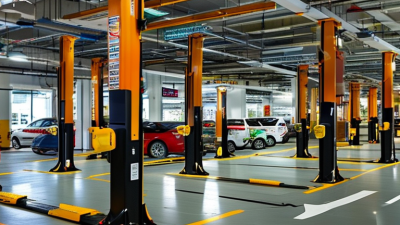
Efficient space management is increasingly becoming a priority for modern facilities, especially in urban areas where the demand for parking far exceeds supply. The heavy-duty hydraulic 4 post parking systems stand out as an innovative solution to this pressing issue. Designed to double the capacity of a standard parking spot, these systems are indispensable for real estate developments, shopping malls, and residential areas grappling with limited parking options.
According to industry reports, urban centers worldwide are experiencing a significant rise in vehicle ownership, with parking demand projected to increase by 30% in the next decade. The 4 post parking system addresses this demand by maximizing space efficiency while maintaining the strength and reliability needed for heavy vehicles. With a hydraulic-driven mechanism, it not only simplifies the parking process but also enhances safety and accessibility, making it an ideal choice for families and commercial venues.
Furthermore, the resilience of these parking systems makes them suitable for a variety of environments. As cities evolve, the need for practical and versatile parking solutions becomes more critical. Heavy-duty hydraulic 4 post parking systems not only meet these needs but also contribute to better traffic flow and reduced congestion, effectively transforming the way vehicles are managed in high-demand situations. The investment in such systems is increasingly recognized as a vital step toward modernizing facility infrastructure.
FAQS
: The primary types are two-post and four-post car lifters. Each serves different needs.
They occupy less space and are great for quick tire changes and repairs.
They provide greater stability and are better for heavier vehicles and extended repairs.
It is vital. Matching the lifter's capacity to your vehicle's weight ensures safety.
The lift height must suit your tasks. Some jobs need more clearance than others.
Reviews give insights into real experiences. They highlight important features and potential issues.
Many purchase lifts that don’t meet their specific needs, leading to frustration.
Inadequately rated lifters can lead to accidents. Proper selection is key.
Load capacity, height range, and ease of installation all impact operational efficiency.
Complicated setups can lead to frustration and delays. Easier installations are often preferable.
Conclusion
When selecting the best hydraulic car lifter for your needs, it's essential to understand the various types available on the market. Focus on key features such as load capacity and height range, which are critical for ensuring that the lifter meets your specific requirements. Safety features should also be a top priority to guarantee secure operation while using the hydraulic lifter.
Additionally, consider the ease of use and maintenance to ensure long-term satisfaction. It’s important to balance your budget with the quality of the product, striking the right chord between cost and performance. Lastly, reading customer reviews and recommendations will provide valuable insights into the effectiveness and reliability of potential hydraulic car lifters, guiding you towards a well-informed purchase decision.