Picking out the right Hydraulic Car Lifter can really feel overwhelming sometimes. With so many options out there, each boasting different features, it’s easy to feel lost. Honestly, the key is to really understand what you actually need. Different vehicles and how you plan to use the lift mean you'll want particular capacities and designs that suit your situation.
Things like how much weight the lifter can handle and how high it lifts are super important to think about. Brands like Omega and Sunex are generally pretty reliable, but not all models are equal. Some might lack the stability or durability you'd expect. Checking out reviews from other users is a good way to get a sense of what you’re really in for.
In the long run, splurging on a quality hydraulic lifter makes a lot of sense—it’ll save you headaches down the line. On the flip side, choosing something cheap or low-quality might end up frustrating you or even causing accidents. So, take a moment to really reflect on what matters most to you before making a call. That way, you’ll find the *perfect* Hydraulic Car Lifter for your garage without all the stress.
Understanding Hydraulic Car Lifters: Basics and Functionality
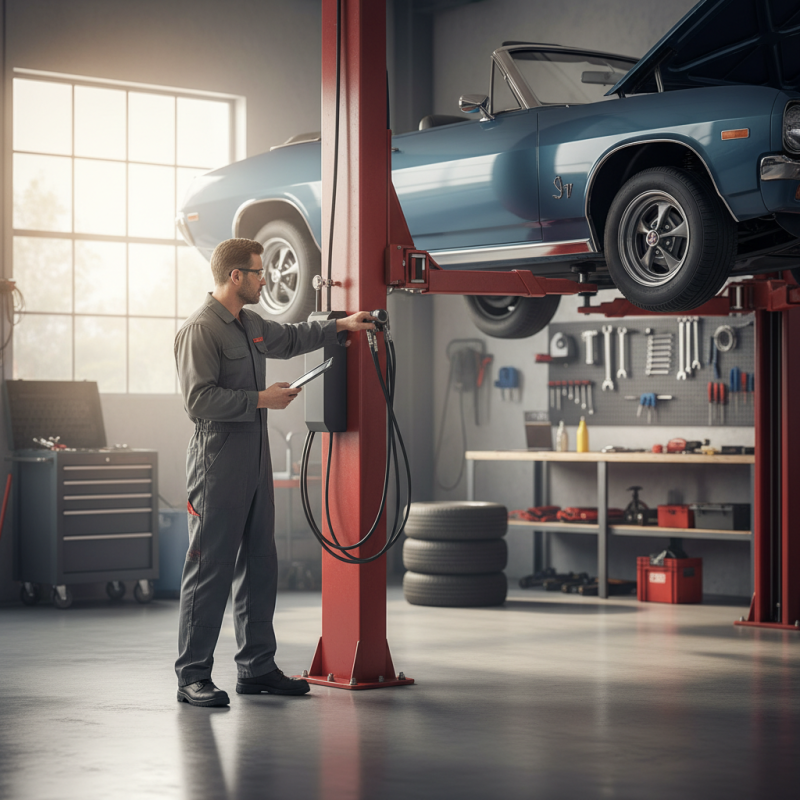
Hydraulic Car Lifters are essential tools for automotive work. They elevate vehicles, providing better access to the undercarriage. Understanding their basic functionality is crucial for making a suitable choice. A hydraulic car lifter uses fluid pressure to lift heavy objects. The design typically includes a pump, cylinder, and lifting arm. The capacity and stability of these components affect performance.
When selecting a hydraulic car lifter, consider weight capacity and lift height. Some lifters can only handle specific vehicles. Think about your typical projects. Do you work on small cars or larger trucks? Different models cater to varying needs. Assess your workspace as well. A compact lifter is ideal for limited garages.
While hydraulic car lifters can be highly effective, they require maintenance. Regular checks on hydraulic fluid levels are important. Leaks can lead to unsafe scenarios. Additionally, a lifter's weight-bearing capacity must never be exceeded. Ignoring these factors can cause accidents. Reflecting on usage habits and safety measures can enhance your experience with a car lifter.
Comparison of Hydraulic Car Lifter Types
This chart compares different types of hydraulic car lifters based on their maximum weight capacities. As illustrated, four post lifters typically hold the highest capacity, while portable lifts are suitable for lighter vehicles.
Types of Hydraulic Car Lifters: What Are Your Options?
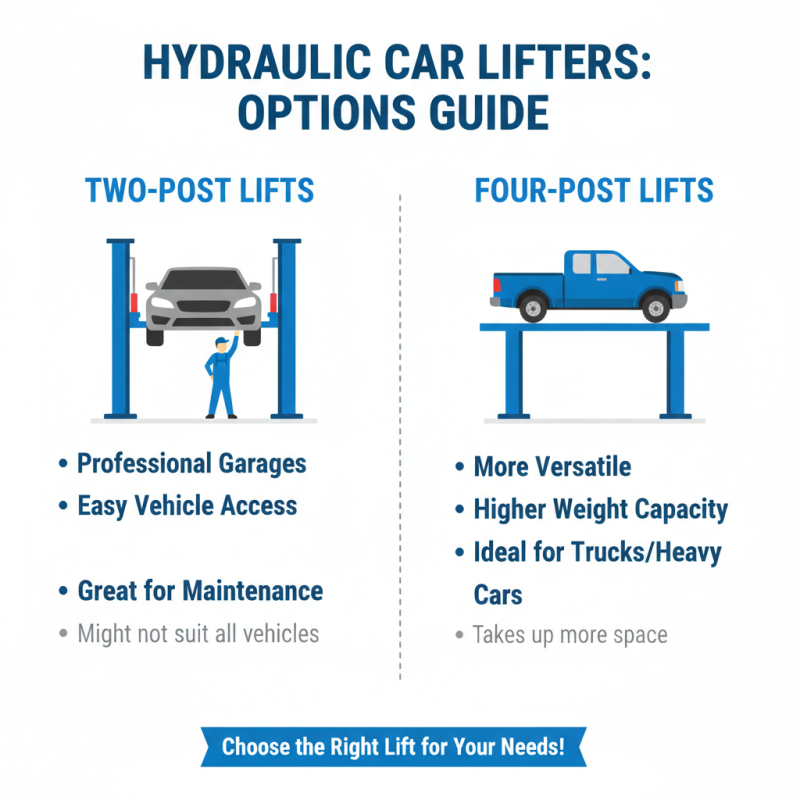
When selecting a hydraulic car lifter, it's crucial to understand the types available. The most common options are two-post and four-post lifts. Two-post lifts are popular in professional garages, offering easy access to vehicles. They provide excellent clearance for maintenance work. However, they might not suit all types of vehicles. In contrast, four-post lifts are more versatile. They allow for greater weight capacity, making them ideal for heavier cars or trucks.
According to the 2022 Automotive Lift Institute report, nearly 70% of automotive service professionals prefer four-post lifts for their stability. This choice reflects the need for safety and reliability in a busy workshop environment. Another option is the scissor lift, which provides low-profile lifting. They are perfect for tight spaces but may come with compromises in weight capacity. The industry is evolving, and new technologies are emerging. Yet, some products may still lack adequate safety certifications, prompting a need for careful review.
It's vital to consider your specific needs before making a decision. Understanding each type's advantages and disadvantages can significantly influence your choice. Evaluating the lift's construction quality and load capacity is essential. Pay attention to user reviews and safety features. Many buyers overlook these aspects, leading to potential risks down the line.
Key Features to Consider When Choosing a Hydraulic Car Lifter
When selecting a hydraulic car lifter, understanding key features is crucial. The lifting capacity is one of the most important specifications. It determines how heavy a vehicle you can safely lift. Make sure to choose a lifter that exceeds the weight of your vehicle.
Consider the lifter’s height adjustment range. A versatile range allows access to various types of vehicles. A low-profile design can be beneficial for sports cars, while a higher lift is necessary for trucks. The stability of the lifter is essential too; ensure it has a solid base and robust locking mechanisms.
Tips: Always check reviews from other users. Their experiences can highlight any potential issues. Frequent maintenance is vital to ensure safe operation. Regardless of the features, a hydraulic car lifter must be reliable. Always compare specifications and prices before making a purchase. Ensure your investment aligns with your needs.
Determining Weight Capacity: Finding the Right Support for Your Vehicle
When selecting a hydraulic car lifter, weight capacity is crucial. You need to match the lifter's capacity to your vehicle's weight. Many vehicles today can weigh over 3,000 pounds. A lifter with too low a capacity can lead to serious issues, including equipment failure. Always check your vehicle's specifications to avoid mistakes.
Consider the types of vehicles you may work on. If you only service lighter cars, a lower weight capacity may suffice. But for heavier vehicles like trucks, choose a Parking Lifter that supports at least 5,000 pounds. Remember, it’s better to have extra capacity than to risk damage or accidents.
Sometimes, it’s easy to underestimate weight. Many people assume their cars are lighter than they are. Do your research. Find the correct figures before making a decision. Safety should always come first. Having the right hydraulic lifter is essential for effective maintenance and repair work.
Safety Features: Ensuring Secure Operation of Your Car Lifter
When selecting a hydraulic car lifter, safety features should be a top priority. The hydraulic system must operate smoothly. Look for models with overload protection. This feature prevents the lifter from lifting more than its specified capacity. It's critical to ensure that your lifter won't collapse under the weight of your vehicle. Additionally, secure locking mechanisms are essential. They keep the car in place while you work on it, preventing unexpected movement.
Consider the base design as well. A wider base offers greater stability. If the lifter is wobbly, it could lead to accidents. Some lifters even come with safety straps or chains. These are important additions that provide extra security during use.
Finally, always read user reviews before making a purchase. Real experiences can highlight potential issues that manufacturers might not mention. A seemingly perfect lifter could have hidden flaws. Investing in quality safety features is vital to ensure your safety while working on your vehicle. Your choice matters. Stay informed and choose wisely for your garage needs.
Budget Considerations: How to Find a Good Value Hydraulic Lifter
When choosing a Hydraulic Car Lift, budget considerations are crucial. A good value hydraulic lifter balances cost and quality. It’s tempting to go for the cheapest option. However, low prices can often lead to reliability issues and increased long-term costs. You might face repair bills that exceed initial savings.
Consider what features are important for your needs. Lifts with higher weight capacities or added safety features could be worth the additional investment. Look for user reviews and expert recommendations. They provide insights that can guide your decision. Don’t overlook the importance of warranties. A solid warranty can give peace of mind against defects.
Analyze the total cost of ownership. This includes maintenance, potential repairs, and installation fees. Sometimes, spending a bit more upfront means better longevity and performance. It's not just about the purchase price. Reflect on how often you will use the hydraulic car lift. An infrequent user may prioritize cost, while a daily user should consider durability as a higher priority. Evaluating needs carefully can lead to a more satisfying purchase.
Maintenance Tips for Prolonging the Life of Your Hydraulic Car Lifter
Proper maintenance is essential for maximizing the lifespan of your hydraulic car lifter. Regular inspections can prevent costly repairs down the line.
According to industry reports, nearly 30% of hydraulic lift failures stem from inadequate maintenance practices. Checking hydraulic fluid levels is crucial. Low fluid can affect lifting power and lead to operational inefficiencies. To ensure safety, replace any worn seals or hoses immediately.
It’s vital to clean the lifter regularly. Dirt and grime can accumulate, impacting performance. A simple wipe-down with a damp cloth can keep components functioning optimally. Many experts suggest performing this cleaning routine monthly, especially in high-use environments.
Additionally, don’t overlook the importance of proper storage. Storing the lifter in a dry, corrosion-free environment can help prevent rust and other damages.
Many users neglect record-keeping of maintenance activities. Tracking service dates and actions taken can provide insights into patterns and necessary future adjustments. Utilizing a maintenance log can increase accountability, ensuring that nothing is overlooked. Though these measures may feel tedious, they are critical in avoiding more significant issues that might arise from neglect.
Taking the time to cultivate good habits around care will lead to enhanced equipment reliability and safety.
Revolutionizing Urban Parking Solutions with Smart Efficient Large Platform Vertical Lifting Carousel Systems
Urban areas are continually challenged by the growing need for efficient parking solutions. With increasing vehicle ownership and limited land availability, the introduction of smart, vertical lifting carousel systems has marked a transformative shift in urban parking strategies. These systems utilize vertical space effectively, offering a compact alternative to traditional parking structures. By optimizing land use, they can multiply parking capacity within a smaller footprint, making them particularly advantageous in densely populated cities where horizontal expansion is limited.
Recent studies highlight that vertical mechanical parking systems can enhance parking space efficiency by up to 60% compared to conventional surface parking lots. These solutions are designed with flexibility in mind, accommodating various load capacities and site conditions, and can be customized with multiple storeys and diverse parking bay layouts. The robust 18.5 kW motor ensures reliable performance, supporting fully automated operations from entry to retrieval, which significantly reduces the operational costs and risks associated with manual parking efforts.
The integration of smart technology further elevates these systems. Features such as remote password-controlled access and centralized management enhance administrative control while ensuring real-time monitoring of operational status. This level of mechanization minimizes human involvement, thereby reducing errors and streamlining the parking process. As urban populations continue to grow, adopting intelligent mechanical parking solutions will play a pivotal role in shaping the future of urban mobility and sustainable city living.
FAQS
: The most common types are two-post and four-post lifts. Two-post lifts allow easy vehicle access. Four-post lifts are more versatile and suitable for heavier cars.
According to industry reports, about 70% of professionals prefer four-post lifts for stability and safety in busy environments.
Consider your specific needs, the lift’s construction quality, weight capacity, and safety features. These factors greatly influence your choice.
It's essential to balance cost and quality. Cheaper options can lead to reliability issues and higher long-term costs.
Look for lifts with higher weight capacities and added safety features. User reviews and expert recommendations can be helpful here.
Regular inspections and checking fluid levels are crucial. Clean the lifter monthly to maintain performance and prevent issues.
Tracking maintenance activities can reveal patterns and necessary adjustments. A maintenance log increases accountability and helps avoid neglect.
Cleaning should occur regularly, with monthly wipe-downs suggested, especially in high-use settings.
Low hydraulic fluid levels negatively impact lifting power. It's important to check and maintain fluid levels regularly.
Many neglect proper inspections and record-keeping. These oversights can lead to costly repairs and reduced equipment reliability.
Conclusion
Choosing the right Hydraulic Car Lifter involves understanding its basic functionality and the various types available on the market. Begin by evaluating the key features that align with your specific needs, such as weight capacity and safety features, which are crucial for secure operation. It's essential to ensure that the lifter can adequately support your vehicle's weight to avoid accidents.
Additionally, budget considerations play a significant role in your decision-making process. Look for options that offer the best value without compromising quality. Finally, to maximize the lifespan of your Hydraulic Car Lifter, it’s important to follow regular maintenance tips that help keep it in optimal condition. By taking these factors into account, you can select a hydraulic car lifter that meets your requirements effectively.