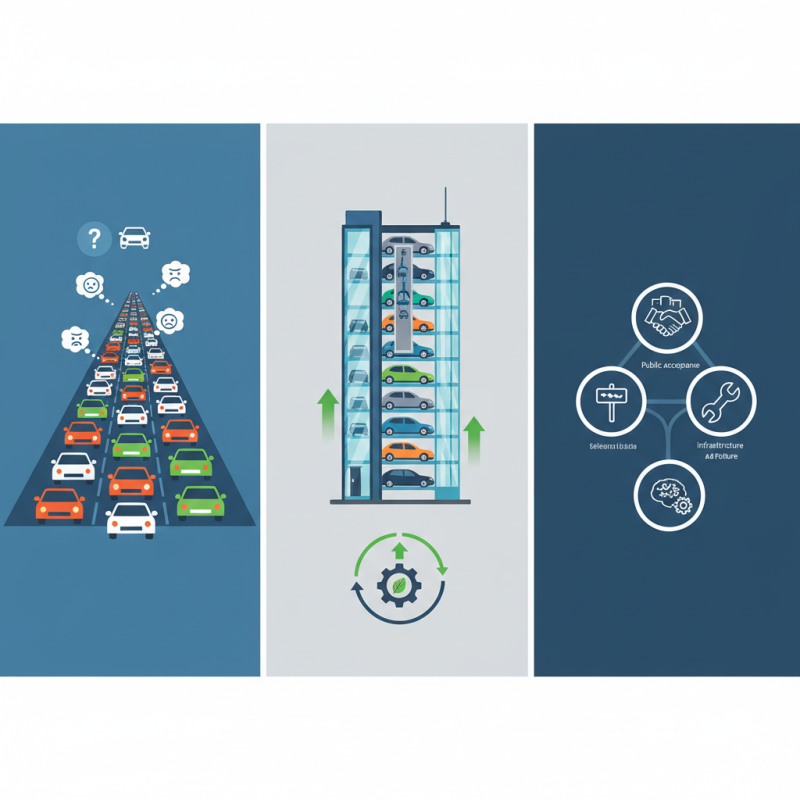
City folks know all too well the struggle with parking—traffic jams, tight spots, you name it. It can get pretty frustrating, right? That’s where Parking Towers could really make a difference. Think of them as a smart, space-saving way to stack cars upwards, which, let’s be honest, is pretty clever. Instead of sprawling lots, you get a tall, sleek structure with multiple levels of parking—kind of like a vertical garage. Companies like Automatiks are pushing these ideas forward, making urban living more sustainable and practical.
But, I gotta say, switching over to Parking Towers isn’t completely smooth sailing. There’s some work to do in terms of convincing people to get on board and updating our infrastructure. Some drivers might be a little wary of automated systems—afraid they won’t work or just not used to them. Still, it’s worth pondering how these kinds of solutions will shape our cities down the road. It’s all about finding that sweet spot between innovation and comfort, you know?
Benefits of Parking Towers in Urban Environments
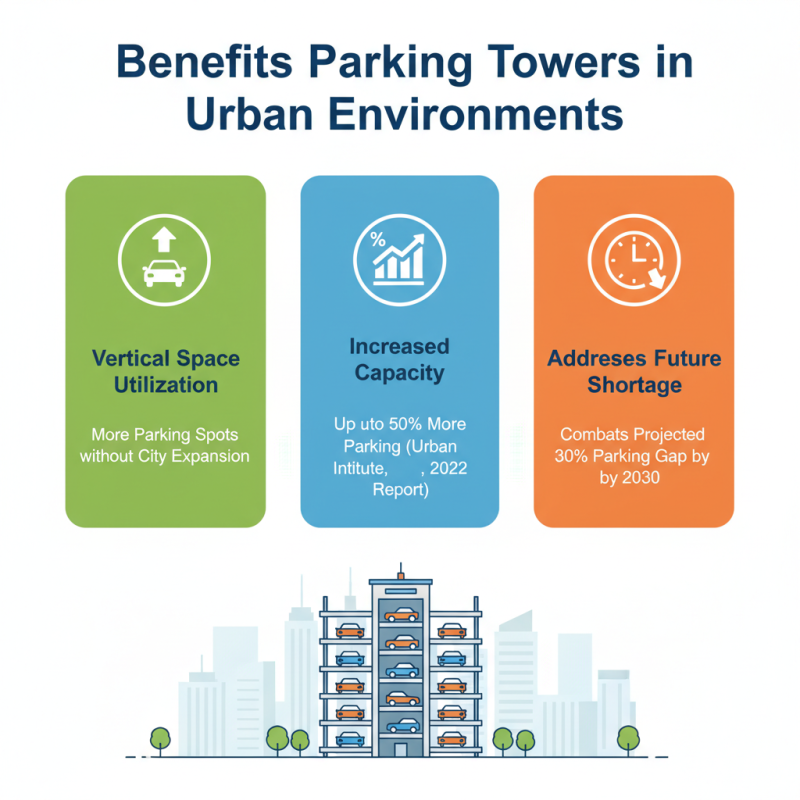
Parking Towers are increasingly recognized as effective solutions for urban environments. They utilize vertical space, offering more parking spots without expanding the city’s footprint. According to a 2022 report by the Urban Land Institute, cities can increase parking capacity by up to 50% when implementing parking towers. This strategy is crucial, as urban areas are projected to face a parking space shortage of 30% by 2030.
The benefits of parking towers extend beyond just providing additional spaces. These structures often incorporate environmentally friendly technologies. Many parking towers are equipped with solar panels and green roofs, contributing to sustainability efforts. A recent study showed that parking towers can reduce emissions by an estimated 40% compared to traditional parking lots. However, these benefits come with challenges. The initial construction costs can be high, and not all cities have embraced this modern design.
Furthermore, parking towers can create visual and spatial issues in dense urban settings. Their height may overwhelm nearby architecture, impacting city aesthetics. Balancing functional needs with city character often requires thoughtful planning. Some cities face resistance from residents. Community engagement is essential for successfully integrating parking towers into the urban landscape. Ultimately, the journey to adopt parking towers is complex but worth exploring.
Space Efficiency and Land Use Optimization
Urban spaces are becoming increasingly crowded. Efficient land use is essential. Parking towers present an innovative solution to this challenge. They maximize space while minimizing the land footprint required for parking. According to a report by the International Parking Institute, structured parking can reduce land use by up to 35% compared to surface lots.
Parking towers provide a multifaceted approach to urban planning. They can be built in smaller parcels, preserving land for parks or residential use. One structure can replace multiple parking lots, leading to less impervious surface, which helps to reduce stormwater runoff. However, initial costs can be high. Cities must be ready to weigh long-term benefits against initial investments.
Tips: Consider proximity to public transport. Towers near bus or train stations enhance usability. An ideal location can attract more users. Assess the local zoning laws as well. They can impact the feasibility of new constructions. With careful planning, these structures can reshape urban landscapes.
Environmental Impact and Sustainability Considerations
Urban areas face significant challenges regarding space and environmental sustainability. Car Parking Towers offer a compelling solution. These structures utilize vertical space effectively, minimizing land use. They can house hundreds of vehicles in a compact footprint. This leads to fewer surface lots, which contribute to urban sprawl and habitat destruction.
However, even with these advantages, there are challenges to consider. The materials used in building Car Parking Towers often require energy-intensive processes. Additionally, while they promote fewer emissions through reduced land usage, the energy consumed for lighting and ventilation can be substantial. Urban planners must assess these factors carefully. A balance is needed between convenience and the environmental footprint.
Sustainable practices can amplify the benefits of Car Parking Towers. Integrating solar panels or green roofs can reduce energy costs. Rainwater harvesting systems could alleviate runoff issues. However, implementing these innovations is not always straightforward. Costs and technological limitations can hinder effective solutions. It’s essential to remain flexible and open to experimentation while striving for better urban environments.
Technological Innovations in Modern Parking Towers
Urban areas are facing increasing challenges with limited parking space. Traditional methods often lead to congestion and inefficiency. This is where modern parking towers come into play. They utilize vertical space, making them more efficient than standard parking lots. A parking tower saves land and can support more vehicles in a smaller footprint.
Technological innovations in parking towers transform how we park and manage vehicles. Automated systems in these structures allow for quick and easy parking. Vehicles are stored using intricate mechanical systems that minimize space. Moreover, many designs incorporate energy-efficient technologies, such as solar panels. But these systems aren’t infallible. Maintenance can be an issue, and users may find them confusing. Sometimes, the user experience can be less intuitive than expected.
Still, the appeal of a Tower Parking System lies in its potential. These solutions address the pressing needs of urban living. Efficient use of space is crucial as cities grow. With ongoing advancements, we can expect improvements that will enhance usability while reducing environmental impact.
Enhancing Urban Aesthetics with Architectural Design
Parking towers have become a striking solution for urban environments. These structures not only address parking challenges but also enhance the aesthetic landscape. With urban spaces becoming increasingly congested, smart design is essential. According to the International Parking Institute, urban areas lose up to 30% of their operational efficiency due to parking issues. Implementing an Automated Parking Tower can alleviate this problem while making a bold architectural statement.
Design choices play a critical role in integrating these parking solutions within the cityscape. Modern automated systems can blend seamlessly with their surroundings. Innovative materials and designs can transform the perception of parking from a mundane necessity to an attractive feature. Studies reveal that aesthetically pleasing infrastructure can increase property values by 10-20% in nearby areas. However, the initial investment in design and technology can deter many stakeholders, leading to missed opportunities for urban renewal.
While Automated Parking Towers offer numerous advantages, there are challenges. Not all designs consider local architectural styles or community sentiments. Some projects may come off as cold or out of place, failing to connect with the local culture. It is essential to balance functionality and design. Striking the right chord can create not just a parking facility but a vibrant aspect of urban life.
Why Choose a Parking Tower for Urban Solutions? - Enhancing Urban Aesthetics with Architectural Design
| Feature |
Description |
Impact on Urban Aesthetics |
| Space Efficiency |
Maximizes parking capacity in limited urban spaces. |
Creates a more organized urban environment with fewer surface lots. |
| Architectural Design |
Integrates modern aesthetics and innovative structures. |
Enhances city skyline and promotes visual interest. |
| Sustainability |
Incorporates green technology and energy-efficient systems. |
Contributes to a greener urban landscape and reduces carbon footprint. |
| Safety and Security |
Features controlled access and surveillance systems. |
Increases public confidence in urban spaces. |
| Flexibility |
Can be adapted for different types of vehicles and uses. |
Supports diverse urban needs and enhances community dynamics. |
Cost-Effectiveness of Parking Towers vs. Traditional Parking Solutions
Parking towers present a compelling alternative to traditional parking solutions. They maximize vertical space, offering more parking spots within a smaller footprint. Conventional parking lots often consume vast areas, leading to urban sprawl and wasted land. Towers allow cities to reclaim areas for parks or amenities.
Cost-effectiveness is a major factor. Construction and maintenance costs for parking towers can be lower over time. They reduce land acquisition costs and can accommodate more vehicles per square foot. However, initial investment in technology and construction can be high. Some cities struggle to justify these expenses, especially when budgets are tight.
Accessibility adds another layer of consideration. Parking towers can improve convenience for users by providing easy entry and exit. Yet, the design must consider flow and safety. Poorly designed towers can result in traffic bottlenecks or frustrating user experiences. Balancing efficiency and user satisfaction can be a challenge, needing constant reflection and adjustment.
Cost-Effectiveness of Parking Towers vs. Traditional Parking Solutions
Addressing Urban Mobility Challenges through Vertical Parking Systems
Urban centers face significant mobility challenges. Congestion leads to wasted time and increased emissions. According to industry reports, parking inefficiencies account for nearly 30% of traffic in busy areas. This is where vertical parking systems can play a crucial role.
Parking towers address the urgent need for space-efficient solutions. They require less land area compared to traditional parking lots while accommodating more vehicles. A study by the International Parking and Mobility Institute reveals that vertical parking can increase capacity by up to 60%. However, these systems also come with high initial costs and require careful planning. Not every city has the space or budget to implement these advanced solutions.
The integration of vertical parking systems must consider local infrastructure. Some buildings may not support heavy structures, which complicates their installation. Furthermore, user acceptance is another challenge. Citizens often need time to adapt to new systems. Awareness and education are essential for their successful deployment. While vertical parking offers promising advantages, its implementation requires a thoughtful approach to truly alleviate urban mobility hurdles.
Optimizing Space and Efficiency: Insights from 2023 Reports on Home Garage Parking Solutions and the High Quality Simple 2 Post Parking System
As urban living spaces become increasingly constrained, optimizing home garage parking solutions is more essential than ever. The insights gleaned from 2023 reports underscore the importance of efficient designs that maximize available space while providing functional and flexible parking options. Among these solutions is a high-quality, simple two-post parking system that stands out for its effectiveness and ease of use.
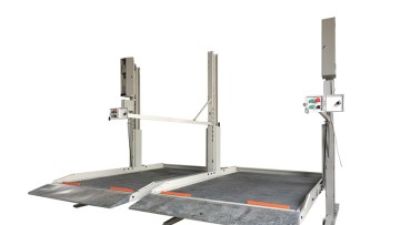
This two-post parking lift allows homeowners to park two vehicles in a compact footprint, making it an ideal choice for those looking to maximize their garage space. With a lifting capacity ranging up to 3,200 kg, it is suitable for both SUVs and sedans. The lower vehicle can be accessed easily at any time, while the upper vehicle requires the lower car to be moved first for access. This system provides an efficient solution for families or individuals with multiple vehicles, ensuring that valuable garage space is utilized effectively and safely.
Customization is also a key advantage of this parking solution. The lift's size can be tailored to meet specific customer needs, accommodating various garage dimensions and personal preferences. With a maximum lifting height of 2,100 mm, this system not only saves space but also enhances the usability of the garage, allowing homeowners to keep their vehicles secure and organized without compromising on accessibility.
FAQS
: Parking towers are structures that utilize vertical space for parking, increasing the number of spots in urban areas.
Parking towers can boost parking capacity by up to 50%, helping address urban parking shortages.
Yes, many parking towers feature solar panels and green roofs, reducing emissions by about 40%.
Cities may encounter high construction costs and resistance from local residents regarding these structures.
Their height can dominate surrounding architecture, which may disrupt the visual harmony of urban landscapes.
Over time, they can reduce land acquisition and maintenance costs, though initial investments can be high.
Design must ensure smooth entry and exit to avoid traffic bottlenecks, balancing efficiency and user experience.
Involving residents is vital for integrating parking towers into cities, as local input can eases resistance.
They can create complex planning challenges and necessitate ongoing evaluation of user satisfaction.
Their adoption remains complex, but they present creative solutions for dense urban growth and land use.
Conclusion
Parking Towers represent an innovative solution to the challenges of urban mobility and space constraints in densely populated cities. These vertical structures offer significant benefits, including enhanced space efficiency by maximizing land use and reducing the footprint of traditional parking lots. Their design not only addresses parking needs but also contributes to urban aesthetics, seamlessly integrating with architectural landscapes.
Furthermore, Parking Towers often incorporate sustainable technologies that mitigate their environmental impact, such as energy-efficient systems and green materials. They provide a cost-effective alternative to conventional parking facilities by optimizing land usage and reducing construction costs. As cities continue to evolve, Parking Towers emerge as a vital component in fostering sustainable urban development and enhancing the quality of urban life.