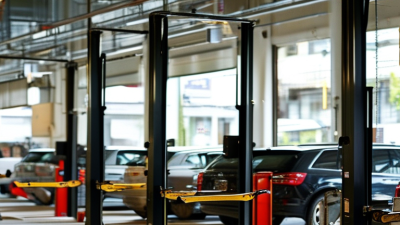
In the competitive world of car transport solutions, it’s clear that the demand for efficient Car Elevator Lifts is only growing. Buyers from all over the globe are on the lookout for dependable partners who can deliver top-notch products and service. Companies like Shanghai Yaufeng and Chengdu Tiantian really stand out—they offer innovative solutions tailored to a variety of needs. You can tell they know their stuff when it comes to vertical transportation, and their designs show that expertise.
Now, sure, a lot of manufacturers will promise high quality, but the truth is, not all of them really follow through. Some might drop the ball when it comes to installation or ongoing maintenance, which can turn into a real headache for clients. That’s why it’s super important to do your homework before choosing a supplier. Good communication and a proven track record really count here—they help you avoid falling into traps and make smarter decisions, especially in such a crowded market.
As the industry keeps evolving, so does the technology behind Car Elevator Lifts. Recent designs are focusing more on saving energy and making the most of available space. But with innovation happening so fast, it’s a constant game of keeping up. Buyers need to stay informed about the latest trends if they want to find the perfect fit for their projects. Balancing cutting-edge ideas with reliability can be tricky, but it’s essential if you want something that stands the test of time.
Overview of Car Elevators in China
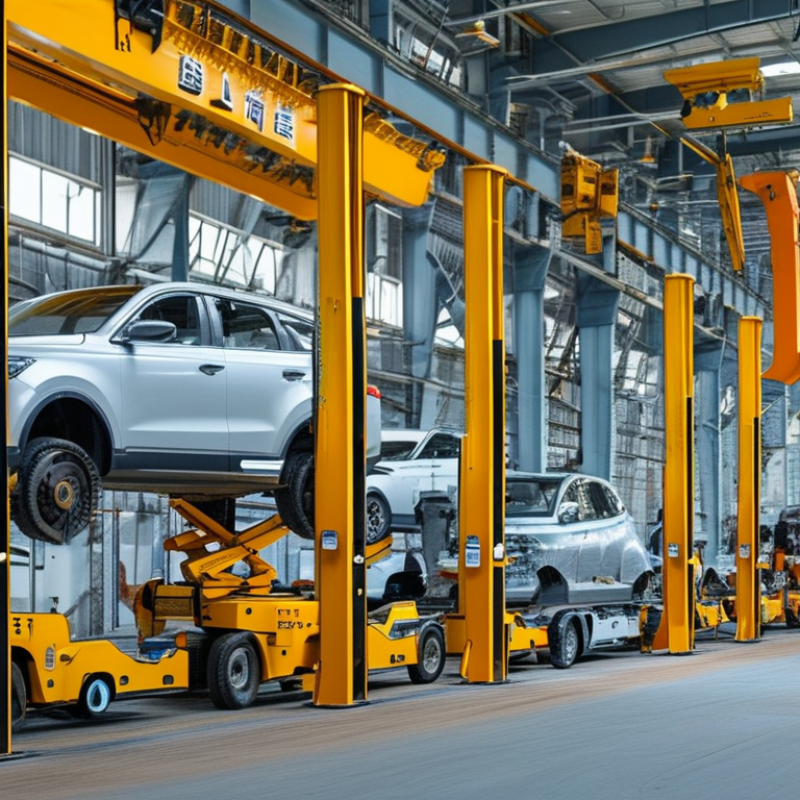
Car Elevators have become a vital component in modern architecture. They facilitate efficient vehicle movement, especially in high-rise buildings. These elevators are designed to minimize space while enhancing accessibility. In China, advanced technology is integrated into the design of car elevators, ensuring safety and reliability.
The demand for car elevators in urban areas is growing. Cities are seeing more high-density buildings. This surge creates a need for effective vertical transport solutions. Many manufacturers are focusing on innovation and safety features. They work to ensure that their products meet strict industry standards. However, not all solutions are flawless. Some installations may face challenges due to space constraints.
The market is competitive, making it essential for buyers to research thoroughly. Understanding technical specifications can help prevent misconceptions. Buyers should also consider maintenance needs, as ongoing support is critical. Ultimately, while car elevators offer great potential, careful planning is necessary to ensure they meet user demands effectively.
Key Manufacturers of Car Lifts in China
China has emerged as a leader in manufacturing car lifts, particularly for urban environments. The demand for efficient parking solutions has grown.
Car Park Elevators have become essential in densely populated cities. They maximize space, allowing more vehicles in tighter areas.
Several key manufacturers in China drive this industry forward. They specialize in innovative designs and advanced technology.
These companies invest heavily in research and development. Their expertise ensures high-quality and reliable products. Many models offer various capacities and sizes.
Some manufacturers have made strides in eco-friendly designs. However, there are challenges, such as maintaining quality across production lines. Buyers often seek reliability and performance in their investment.
Safety features are a priority in car lift design. Most manufacturers comply with international standards.
Nonetheless, some companies may need to improve their safety protocols. Regular audits and updates can help enhance product offerings. Global buyers should prioritize manufacturers with a strong safety record. Engaging with experienced suppliers can help navigate the complexities of car lift solutions.
Technological Innovations in Chinese Car Elevator Solutions
Recent advancements in car elevator technology in China are turning heads globally. Innovative designs focus on optimizing space and improving efficiency. According to a recent report by the International Elevator and Escalator Manufacturers Association, the global market for elevator and escalator systems is expected to reach $68 billion by 2025. Within this market, China's contribution, especially in car elevators, is substantial and continues to grow.
One key innovation is the integration of smart technology. Chinese car elevator systems now offer features like automated parking and real-time maintenance alerts. These advancements simplify the user experience and enhance safety. The report also mentions that energy-efficient systems can decrease operational costs by up to 30%. However, some implementations may still face issues with software integration and user adaptability. It hints at a need for better training for both operators and end-users.
While the market expands, not all developments are free from challenges. The demand for customized solutions often leads to longer lead times. Some companies struggle to keep pace with rapid technological changes. As car elevator solutions evolve, continuous improvements should focus on reliability and long-term sustainability. The need for effective communication between manufacturers and clients is imperative to address any shortcomings.
Advantages of Chinese Car Elevators for Global Markets
Chinese car elevators present an attractive option for global buyers. They are engineered with advanced technology, ensuring safety and efficiency. According to a report by Research and Markets, the global market for car elevators is expected to grow at a CAGR of 4.5% from 2021 to 2026. This growth underscores the increasing demand for compact and efficient solutions in urban environments.
One distinct advantage of Chinese car elevators is their cost-effectiveness. The pricing often undercuts competitors without sacrificing quality. Moreover, Chinese manufacturers are known for rapid innovation. Many incorporate smart technology, allowing for better control and diagnostics. Reports indicate that smart elevators could reduce energy consumption by up to 30%. Increased energy efficiency can appeal to environmentally conscious buyers.
However, some potential buyers hesitate due to concerns about after-sales support. It can vary significantly. Understanding local service capabilities is essential. Genuine user feedback highlights the importance of reliable service, particularly in emergencies. Buyers should weigh cost savings against the need for dependable service networks. Emphasizing experience and solid local partnerships can mitigate these concerns.
Quality Standards and Certifications for Car Elevators
Car elevators are essential in modern buildings, offering a seamless way to transport vehicles vertically. Quality standards play a crucial role in the manufacture and installation of these systems. Adhering to international certifications ensures vehicles are transported safely. The ISO 9001 standard, for instance, emphasizes quality management systems. A 2022 report indicated that nearly 70% of car elevator failures relate to poor manufacturing standards.
Understanding technical specifications is key. For example, car elevators must comply with EN 81-20 and EN 81-50, which establish safety regulations and design parameters. These regulations help in reducing risks, enhancing user safety, and achieving longer service life for the elevators. However, not all manufacturers meet these standards. This inconsistency can lead to dangerous situations.
Tips: Always request certifications from your supplier. Verify their compliance with local and international standards. Regular inspections and maintenance are vital in sustaining elevator performance. Investing in reliable providers ensures the long-term safety of car elevators. Ensure that the supplier's expertise is verifiable through reviews and industry reputation.
Cost Analysis of Importing Car Lifts from China
Importing car lifts from China can be a cost-effective solution for buyers worldwide. According to industry reports, the average price of car lifts manufactured in China ranges between $1,500 and $5,000, depending on specifications. This represents a significant reduction compared to similar products in European or North American markets, where prices can exceed $10,000 due to higher labor and material costs.
When considering the total cost of importing, it's essential to factor in shipping, duties, and potential tariffs. For example, shipping costs can vary, often adding $300 to $1,200 depending on the volume and distance. Buyers should also account for installation fees, which can fluctuate from $200 to $800. These extra expenses might make the initial low cost seem misleading.
Tip: Always request multiple quotes from different suppliers. This strategy can help you identify reliable vendors and better understand pricing trends.
Research suggests that opening communication with manufacturers can lead to further cost savings. In some cases, negotiating bulk orders may reduce overall costs. It's worth noting that while saving money is vital, the quality of the lift should not be overlooked.
Tip: Check for certifications and quality assurance processes. A lower price might mean sacrificing safety standards. Always prioritize a comprehensive understanding of warranty conditions offered by suppliers.
Cost Analysis of Importing Car Lifts from China
Future Trends in Car Elevator Technology and Design
As the demand for innovative space solutions grows, the evolution of car elevator technology becomes crucial. Recent industry reports indicate a notable increase in demand for compact and efficient Car Parking Elevator systems. By 2025, the global market for car elevators is expected to reach over $5 billion, reflecting a significant shift towards smarter urban infrastructure.
Future trends highlight automation and AI integration. These advancements enhance user experience and optimize space utilization. For instance, automated car parking systems can reduce waiting times by 30%. Shifting gears to design, sleek designs that accommodate various vehicle sizes are becoming prevalent. This ensures that car parking elevators not only function well but also complement contemporary architecture.
Tip: When considering a car parking elevator, prioritize systems with real-time monitoring features. These tools can provide valuable insights into usage patterns.
Furthermore, sustainability is a key focus. Using renewable energy sources for elevators can reduce operational costs. It's essential to weigh both costs and benefits when selecting technology. While advanced systems may promise efficiency, initial investments can be substantial. Evaluate the long-term advantages to make informed decisions.
Maximizing Urban Space: Insights from Industry Reports on Full Automatic Vertical Lift Parking Systems and Their Role in Modern Urban Planning
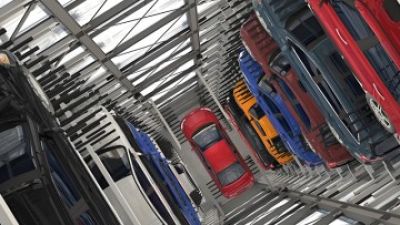
The modern urban landscape is increasingly challenged by the scarcity of space, particularly in densely populated areas. Maximizing urban space through innovative solutions is essential, and full automatic vertical lift parking systems emerge as a transformative answer to parking shortages. These systems, characterized by their tower-style design, provide a fully automated parking experience while occupying minimal horizontal area, making them ideal for the constraints of urban development in regions where land is at a premium.
The efficiency of vertical lift parking systems is underscored by their impressive vehicle retrieval capabilities, with an average retrieval time of just 75 seconds. Such rapid operation not only enhances user satisfaction but also significantly improves the overall efficiency of the parking facility, even during the busiest periods. Furthermore, the fully enclosed structure of these systems ensures a secure environment for vehicles, while their customizable nature allows for adaptations that align with specific architectural styles and project requirements.
Equipped with advanced features such as remote code control, these parking systems offer operators a streamlined management experience, enabling real-time monitoring and adjustments to operational parameters. By integrating intelligent management systems, these solutions respond to the demands of large-scale installations, enhancing convenience and operational oversight. This blend of functionality, safety, and aesthetic appeal positions full automatic vertical lift parking systems as a critical infrastructure component in modern urban planning, driving both property value and user experience upward.
FAQS
: Chinese car elevators offer cost-effectiveness and advanced technology. They are often cheaper yet maintain quality standards.
Many models use smart technology, which can reduce energy consumption by up to 30%. This appeals to eco-conscious users.
Concerns about after-sales support and service reliability can cause hesitation. Local service capabilities vary significantly.
Buyers should assess the supplier’s experience and local partnerships. This reduces risk during emergencies and enhances support.
Compliance with ISO 9001 and EN 81-20 regulations is crucial. These standards ensure safety and longevity in performance.
A 2022 report reveals that nearly 70% of failures result from poor manufacturing standards and lack of compliance.
Buyers should request certifications, check reviews, and confirm compliance with local and international standards.
Regular inspections and maintenance are vital. They help sustain performance and ensure long-term safety for users.
Yes, not adhering to standards can lead to dangerous situations. Reliable systems are crucial for user safety.
Rapid innovation allows for better controls and diagnostics, enhancing user experience and operational efficiency.
Conclusion
The article "China Top Car Elevator Lift Solutions for Global Buyers" provides a comprehensive overview of the growing prominence of car elevator lifts in China. It explores the key manufacturers leading this market and highlights significant technological innovations that enhance their functionality. The advantages of Chinese car elevators for global buyers include competitive pricing, advanced technology, and efficient design, making them an attractive option for various applications.
Furthermore, the article discusses the quality standards and certifications that ensure the reliability and safety of car elevator lifts manufactured in China. A cost analysis offers insights into the financial aspects of importing these elevators, while a look at future trends in technology and design predicts ongoing advancements in this field. Overall, the article positions Chinese car elevator lift solutions as a pivotal resource for global markets seeking innovative and cost-effective vertical transportation options.