Leave Your Message
0%

Picking out the best hydraulic garage lift for 2026 isn’t just about size or price tags. Honestly, you’ve got to dig deeper—think safety certifications, the kind of support you can count on, what’s involved in installing it, and even how much it’s going to cost you over time. I mean, a lift that handles well in a dry European workshop might not cut it in a humid coastal garage. Details really do matter, you know?

Bob O’Gorman, who’s pretty much a trusted safety expert from the Automotive Lift Institute, once said, “A lift is only as safe as the person operating it.” That quote kind of sets the tone for what we’re looking at here. The perfect hydraulic lift should fit your vehicle’s weight, your ceiling height, bay size, and even your technician’s experience. Don’t forget to check out things like locking mechanisms, hydraulic hoses, platform stability, and if parts are easy to swap out. Keep a close eye on those details.

In this review, I’m focusing on real-world models from giants like Rotary, BendPak, and Stertil-Koni. We’re taking into account all the messy stuff—uneven floors, heavy daily use in a busy shop, and tight spaces for maintenance. Brochures often show perfect scenarios, but honestly, your daily setup can be way less than perfect.

That’s something to really think about. A lower sticker price might seem tempting, but it could come with shipping delays, tricky installations, or pricey seals. And don’t forget, warranty terms can be a bit different depending on where you are. So, in this guide, I’ll be looking at specs that you can measure, how user-friendly the design is, how reliable the supplier is, and what kind of after-sales support you can expect. We’re keeping it practical and honest, knowing well that no single lift works for every garage. Bottom line: safety, compatibility, and serviceability should be your main focus when choosing in 2026.

2026 Best Hydraulic Garage Lift for Global Buyers?

Hydraulic Garage Lift Types and Their Main Applications

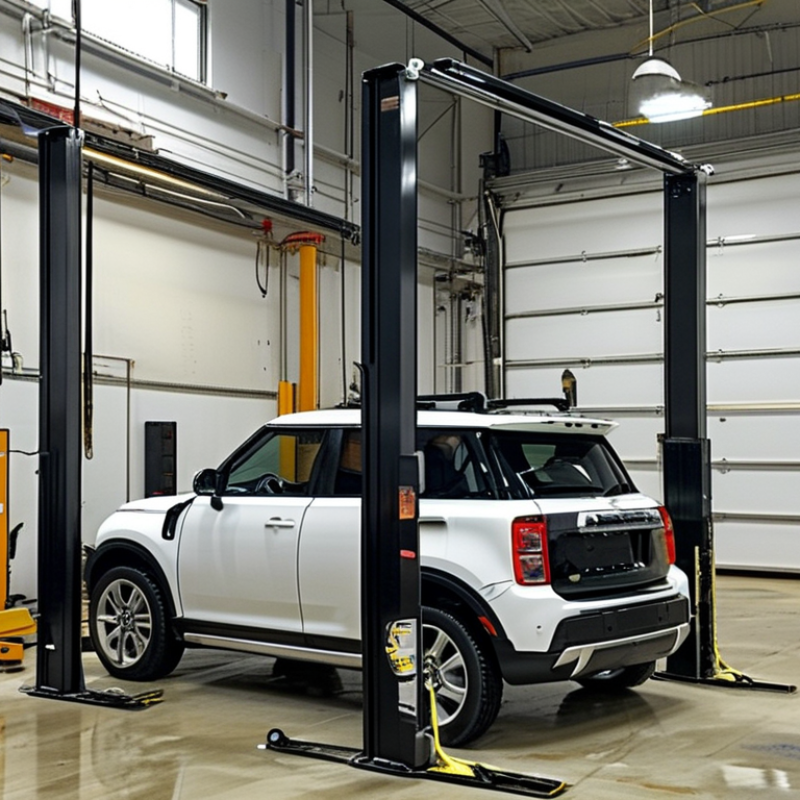
Hydraulic Lift Garage equipment serves different jobs, and the correct type depends on vehicle weight, clearance, and workflow. Two-post lifts suit wheel, brake, and suspension repairs because their arms leave the tires accessible. Four-post lifts provide stronger platform support for storage, alignment work, and heavier vehicles. Scissor lifts save floor space, but their central platform can restrict underbody access. That trade-off matters.

A 2024 Grand View Research report estimates the global automotive repair and maintenance services market at more than USD 800 billion. This growth increases demand for reliable lifting equipment in workshops, dealerships, and fleet facilities. For small garages, a compact low-rise lift can handle tire changes and inspections. Commercial workshops usually need a higher-capacity Hydraulic Lift Garage system, with rated load margins, mechanical locks, and clear emergency lowering procedures.

Installation conditions deserve equal attention. A concrete floor may look sound but still require thickness and strength verification. The Automotive Lift Institute emphasizes proper installation, training, and periodic inspection for safe lift operation. Operators should check arm restraints, hydraulic hoses, locking points, and uneven loading before every use. Simple checks prevent expensive mistakes. I have seen buyers focus on lifting capacity while ignoring ceiling height and door clearance. That choice often creates daily frustration. Data helps, but site measurements decide.

2026 Best Hydraulic Garage Lift for Global Buyers?

Hydraulic garage lift types compared by typical rated lifting capacity. The values represent common nominal capacities used in professional automotive workshops; actual specifications vary by configuration, installation, and safety certification.

Two-post and four-post lifts are widely used for general vehicle servicing and storage. Scissor and low-rise lifts suit wheel, brake, and underbody work where floor access or lower lifting height is preferred. In-ground lifts typically support higher capacities and are selected for permanent professional installations.

Key Specifications for Comparing Hydraulic Garage Lifts in 2026

For global buyers, the best hydraulic garage lift in 2026 is not simply the strongest model. Its specifications must match vehicle weight, workshop space, electrical supply, and local safety requirements. The International Energy Agency’s Global EV Outlook 2025 reported more than 17 million electric cars sold worldwide in 2024. Many electric vehicles carry heavy battery packs, so a practical lift should provide a certified working capacity of at least 4,000 kg, with documented overload protection.

Measure the full lifting range, not only the maximum height. A 1,800–2,000 mm rise usually supports comfortable underbody access, but ceiling height can limit real performance. Check the minimum pad height, arm reach, platform width, and locking positions. Hydraulic pressure stability matters during long service tasks. The lift should also use mechanical locks, hose-burst protection, emergency lowering, and visible load markings. These features align with safety principles described in ANSI/ALI ALCTV and relevant ISO lifting-equipment guidance.

Energy use deserves attention. The U.S. Department of Energy’s Vehicle Technologies Market Report shows continuing growth in larger vehicles and electrification, which may increase average workshop loads. Select a motor compatible with local voltage and frequency. Corrosion-resistant finishes help in humid coastal regions. I would not trust capacity claims without third-party certification and installation records. A cheaper lift may still work, but incomplete documentation is a serious weakness. Hydraulic oil leaks are also easy to overlook during inspection.

How to Evaluate Lift Capacity, Height, Power, and Garage Space

2026 Best Hydraulic Garage Lift for Global Buyers?

Choosing a Hydraulic Lift starts with the vehicle, not the advertised maximum capacity. Check the heaviest car, van, or utility vehicle you will service. Add a safety margin for tools and uneven loading. A lift rated for 4,000 kilograms may not suit every garage layout. Read the full load chart, including arm positions and lifting points. Small details matter.

Measure the ceiling, door clearance, and floor thickness before ordering. A tall lift is useless if a raised roof touches the beams. Leave space for walking around open doors. Measure twice. I once underestimated a side clearance by only 12 centimeters. It made routine wheel removal awkward. That mistake changed how I assess workshop space.

Power requirements also deserve careful attention. Confirm voltage, phase, motor rating, and hydraulic pump performance with a qualified installer. A slow pump may seem harmless, but repeated delays become expensive during daily work. Check emergency lowering, locking systems, hose protection, and maintenance access. Look for documented testing and clear instructions from the manufacturer. Local electrical rules and installation requirements can differ widely between countries. Do not rely on a translated sales page alone. Ask for drawings, manuals, spare-part information, and service support before payment. Some specifications still look impressive until real installation begins.

2026 Best Hydraulic Garage Lift for Global Buyers? - How to Evaluate Lift Capacity, Height, Power, and Garage Space

Specifications shown are practical typical ranges for commonly available hydraulic garage lifts. Actual values vary by configuration, safety standard, installation method, and vehicle type. Always verify the manufacturer’s certified data before purchase.
Lift Type Typical Rated Capacity Maximum Rise Minimum Height Typical Power Unit Recommended Ceiling Height Typical Overall Footprint Best Garage Use Key Evaluation Point Suitability for Global Buyers
Two-Post Asymmetric Hydraulic Lift 3,600–4,100 kg 1,800–1,950 mm 95–115 mm 2.2–3.0 kW electric motor
Single-phase or three-phase options
3,600–4,000 mm 3,400–3,700 mm wide
3,500–4,000 mm deep
Passenger cars, SUVs, light commercial vehicles, and underbody repairs Check arm reach, door clearance, column spacing, and reinforced concrete requirements. Highly versatile
Two-Post Symmetric Hydraulic Lift 4,000–5,500 kg 1,850–1,950 mm 100–125 mm 2.2–4.0 kW electric motor
Voltage depends on market
3,800–4,300 mm 3,500–3,900 mm wide
3,600–4,200 mm deep
Balanced lifting of sedans, SUVs, vans, and heavier vehicles Confirm the center-of-gravity position and minimum adapter height for low vehicles. Strong all-round choice
Four-Post Hydraulic Service Lift 3,500–5,500 kg 1,600–1,900 mm 130–180 mm 2.2–3.0 kW electric motor 3,200–3,900 mm 3,100–3,500 mm wide
5,200–6,200 mm deep
Parking, wheel alignment preparation, storage, inspection, and general service Allow extra front and rear clearance for ramps, platforms, and vehicle movement. Best for stability
Full-Rise Scissor Hydraulic Lift 3,000–4,000 kg 1,800–2,000 mm 100–150 mm 2.2–3.0 kW electric motor 3,500–4,100 mm 2,000–2,200 mm wide
5,000–6,000 mm long
Wheel service, brake work, body repair, and garages with limited side clearance Check platform length, access to wheels, pinch-point protection, and floor strength. Space-efficient width
Mid-Rise Scissor Hydraulic Lift 2,700–3,500 kg 1,000–1,350 mm 100–130 mm 2.2–3.0 kW electric motor 2,700–3,200 mm 1,800–2,000 mm wide
4,000–5,000 mm long
Wheel changes, exhaust work, detailing, and low-ceiling residential garages Its limited rise may not provide comfortable standing room for all underbody tasks. Best for low ceilings
Heavy-Duty Four-Post Hydraulic Lift 6,000–10,000 kg 1,600–1,900 mm 180–250 mm 4.0–7.5 kW electric motor
Usually three-phase
3,800–4,500 mm 3,500–4,000 mm wide
6,000–7,500 mm deep
Large vans, commercial vehicles, fleet maintenance, and heavy-duty inspection Review foundation thickness, electrical supply, loading approach, and total floor load. Professional installation required
Portable Single-Column Hydraulic Lift 2,500–3,000 kg 1,200–1,800 mm 100–150 mm 1.5–2.2 kW electric motor 3,000–3,800 mm Approximately 2,500–3,000 mm wide
4,500–5,500 mm long
Occasional servicing, wheel work, and garages requiring movable equipment Confirm wheel chock design, load distribution, portability, and storage position. For lighter-duty use
In-Ground Hydraulic Lift 4,000–6,000 kg 1,700–1,900 mm Nearly flush when lowered 2.2–4.0 kW electric motor 3,500–4,200 mm Approx. 3,000–3,600 mm wide
5,000–6,000 mm long
Permanent professional workshops where unobstructed floor space is important Evaluate drainage, corrosion protection, excavation, hydraulic safety, and local building rules. Best for permanent facilities

Safety Features and International Compliance Requirements

Choosing the 2026 Best Hydraulic Car Lift for global buyers requires more than checking lifting capacity. Safety design and local compliance must guide the purchase.

A reliable Hydraulic Car Lift should include mechanical locking systems, overload protection, hose-burst valves, and emergency lowering controls. These features matter when pressure drops unexpectedly. I also inspect platform stability, arm restraints, anchor points, and the visibility of warning labels. Small details prevent serious mistakes. The lift should state its rated capacity clearly, not hide it inside technical paperwork. Operators need practical training, especially for uneven vehicle loading and incorrect balance.

International compliance is more complicated than one universal certificate. European installations may require alignment with EN 1493 and applicable machinery requirements. North American buyers may expect recognized lift safety standards, installation instructions, and independent certification. Other markets can impose additional electrical, structural, or workplace rules. Confirm requirements with a qualified local inspector before shipping. Ask for load-test records, hydraulic diagrams, maintenance schedules, risk assessments, and serial-number traceability. A certificate alone is not enough. Installation quality can still decide whether the equipment is safe.

In real workshops, rushed anchoring and skipped inspections create avoidable risks. I have seen operators trust a clean appearance too much. That assumption is risky. Buyers should verify floor strength, ambient temperature limits, oil compatibility, and spare-part support. Compliance documents should match the exact model and configuration. Generic paperwork deserves careful questioning.
Installation, Maintenance, and Operating Considerations

Choosing the 2026 Best Hydraulic Garage Lift for Global Buyers requires more than checking lifting capacity. Installation quality affects safety, alignment, and long-term performance. A 2 Post Hydraulic Lift needs a level concrete floor with suitable thickness and strength. Before drilling, measure vehicle doors, ceiling height, and arm clearance. I recommend using a certified installer familiar with local building and workplace requirements.

Keep the installation area clean and well lit. Anchor bolts must match the approved specifications, not simply the installer’s usual choice. After assembly, raise an empty platform slowly and inspect unusual movement. Then test the lift with a suitable vehicle. My experience shows that rushing this stage creates problems later. Even a small column misalignment can cause uneven loading.

Maintenance should include daily visual checks and scheduled technical inspections. Look for hydraulic leaks, damaged hoses, loose anchors, worn pads, and uneven cables. Keep lifting points free from grease and dirt. Hydraulic fluid levels need checking according to the equipment instructions. Never rely only on a pressure gauge. It can appear normal while a seal is beginning to fail. Operators should keep the vehicle centered and confirm that every contact pad is stable before lifting. Stop immediately when the lift sounds different. Some workshops delay repairs because the lift still works, and that judgment is difficult to defend. Training records, inspection dates, and repair notes also improve accountability.

Choosing the Best Hydraulic Garage Lift for Global Markets

Choosing the best hydraulic garage lift for global markets requires more than comparing lifting capacity and price. Vehicle fleets differ widely in weight, wheelbase, and service conditions. ACEA’s Vehicles on European Roads 2024 report recorded about 249 million passenger cars in the European Union. Many are over 12 years old, increasing demand for suspension, brake, and underbody repairs.

Safety should guide the selection. The International Labour Organization estimated nearly 3 million work-related deaths globally in 2023, with many incidents linked to unsafe working conditions. A suitable lift needs mechanical locking systems, stable arm positioning, emergency lowering control, and clear load markings. Hydraulic hoses should resist abrasion, heat, and oil exposure. Small details matter.

Check local electrical requirements before ordering. Voltage, frequency, plug design, and workshop ventilation can affect installation reliability. In humid coastal regions, corrosion-resistant coatings and sealed electrical components deserve extra attention. In colder areas, hydraulic fluid performance may change during morning startup. ISO 12100 risk assessment principles and applicable regional lift standards should be reviewed with a qualified installer.

A practical buying test is simple: measure the tallest vehicle, the lowest ceiling, and the heaviest axle load. Then add working clearance. Do not rely only on the advertised maximum capacity. A lift that reaches the limit daily may age faster. I have seen specifications look impressive, yet service access remained awkward. That weakness deserves honest review. Availability of seals, cylinders, training, inspection records, and technical support can matter more than a slightly lower purchase price.

A Practical Guide to Choosing a High-Quality Two-Post Parking System for Your Home Garage

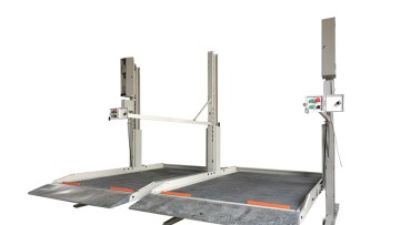
Choosing a high-quality two-post parking system starts with matching its capacity and dimensions to your vehicles and garage. The U.S. Department of Energy’s *2023 Vehicle Technologies Market Report* shows that light trucks, including SUVs, accounted for approximately 78% of new light-duty vehicle sales in 2022. This trend makes it important to select equipment that can safely accommodate both larger SUVs and conventional sedans. A two-level parking lift with a maximum lifting height of 2,100 mm and lifting capacities of 2,300 kg, 2,700 kg, or 3,200 kg offers practical flexibility for different vehicle sizes.

For home-garage use, check the ceiling height, floor condition, vehicle dimensions, and available clearance before installation. The simple two-post design uses vertical space efficiently, creating room for two vehicles in one parking area. The lower vehicle remains accessible for everyday use, while retrieving or parking the upper vehicle requires moving the lower one first. This arrangement is particularly suitable for households with a second car used less frequently.

A reliable system should also provide stable operation, straightforward controls, and customizable dimensions. As a factory-direct solution, these three models can be adapted to specific garage layouts and load requirements, helping homeowners achieve efficient, dependable, and space-saving vehicle storage.

FAQS

: How should I determine the correct lifting capacity?

: Check the heaviest vehicle you will service, including tools and uneven loading. Leave a sensible safety margin. A 4,000-kilogram rating may not fit every vehicle or arm position. Review the complete load chart and approved lifting points.

What garage measurements matter before installation?

Measure ceiling height, entrance clearance, floor thickness, and side walking space. Raised vehicles need room beneath beams, lights, and storage shelves. Keep enough clearance for open doors and wheel removal. Measure twice.

Can a tall lift work in a low garage?

Not always. A raised roof can contact beams, lights, or garage doors. Compare maximum lifting height with the lowest ceiling obstruction. Include the vehicle’s height, not only the platform height.

What electrical information should buyers confirm?

Confirm voltage, phase, motor rating, and hydraulic pump performance. Use a qualified installer for electrical checks. Local requirements may differ between countries. A slow pump can create repeated delays during daily work.

Which safety features are important?

Look for mechanical locks, overload protection, hose-burst valves, and emergency lowering controls. Also inspect arm restraints, anchor points, platform stability, and warning labels. These details matter when hydraulic pressure drops unexpectedly. Appearance is not proof of safety.

What documents should I request before payment?

Request drawings, manuals, load-test records, hydraulic diagrams, and maintenance schedules. Ask for spare-part details, service support, and serial-number traceability. Documents should match the exact model and configuration. Generic paperwork deserves questions.

Does one international certificate guarantee compliance?

No. Different countries may apply different structural, electrical, workplace, or machinery requirements. Some installations may reference recognized lifting standards, such as EN 1493. Confirm local requirements with a qualified inspector before shipping.

What should be checked during installation?

Verify floor strength, anchor quality, oil compatibility, and temperature limits. Check emergency lowering and locking systems after installation. Inspect hose protection and maintenance access. Rushed anchoring can create avoidable risks.

How often should the lift be inspected?

Follow the maintenance schedule and local workplace requirements. Inspect locks, hoses, anchors, hydraulic components, and warning labels regularly. Record problems before daily operation continues. I once trusted a clean appearance too much. That was not enough.

Conclusion

Choosing the best Hydraulic Garage Lift for global buyers in 2026 requires a clear understanding of lift types, working environments, and vehicle service needs. Two-post, four-post, scissor, and mobile hydraulic lifts each offer different advantages for maintenance, storage, inspection, and professional workshop use. Buyers should compare rated capacity, lifting height, platform dimensions, power requirements, cycle speed, and available garage space before making a decision. Floor strength, ceiling clearance, vehicle dimensions, and installation conditions are equally important for safe and efficient operation.

Safety and compliance should remain central throughout the selection process. Look for reliable locking systems, emergency stop functions, overload protection, stable hydraulic components, and clear operating controls. International buyers should also review applicable certification, electrical, structural, and workplace safety requirements in their target market. Proper installation, routine inspections, hydraulic fluid maintenance, operator training, and timely replacement of worn parts can extend service life. Ultimately, the best Hydraulic Garage Lift is one that matches local conditions, supports intended workloads, meets recognized safety expectations, and delivers dependable long-term performance.

Ethan

Ethan

Ethan is a dedicated marketing professional based in the Jiading District of Shanghai, with extensive expertise in the field of mechanical parking systems. He plays a vital role in promoting the company's full-chain services, which encompass research and development, design, manufacturing,......
Previous Top 10 Parking Equipment for Efficient Space Management?