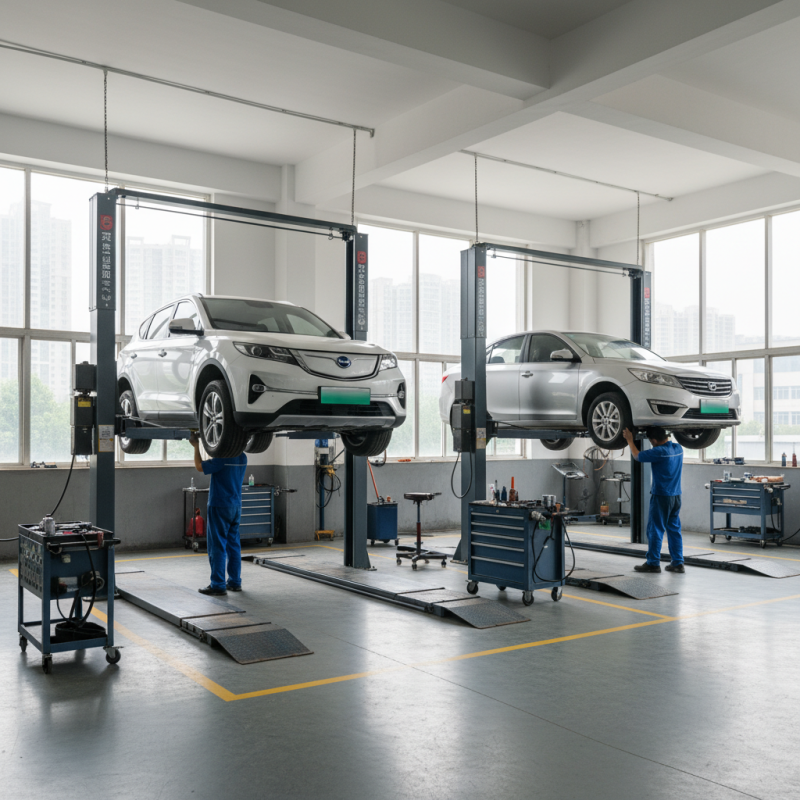
As China's auto industry keeps growing, more and more folks are looking for top-notch equipment to keep up with the demand. According to data from the China Association of Automobile Manufacturers, car production hit over 25 million units in 2022 — pretty impressive, right? This surge really highlights just how important reliable tools are, especially things like the Car Lifting Machine. It's a must-have for maintenance and repair shops to get the job done efficiently.
If you invest in a good, durable Car Lifting Machine, it can seriously boost both safety and speed in your workshop. I’ve seen reports that a solid lifting machine can cut repair times by up to 30%. Of course, you’ve gotta weigh the costs versus the benefits. Prices can vary a lot depending on how much capacity the machine has, what features it offers, and the brand’s reputation. Sometimes, going for a machine with serious performance might cost a bit more upfront, but in the long run, it could save you money because it helps you get things done faster and better.
Ultimately, auto pros should think about both what they’re spending now and what they’ll get down the road. Picking the right Car Lifting Machine isn’t just about finding the cheapest option — it’s about understanding what your workshop really needs. With a bit of research and some careful thought, you can find that sweet spot between affordability and quality, giving your business a solid, sustainable edge over time.
Overview of Car Lifting Machines in China for 2026
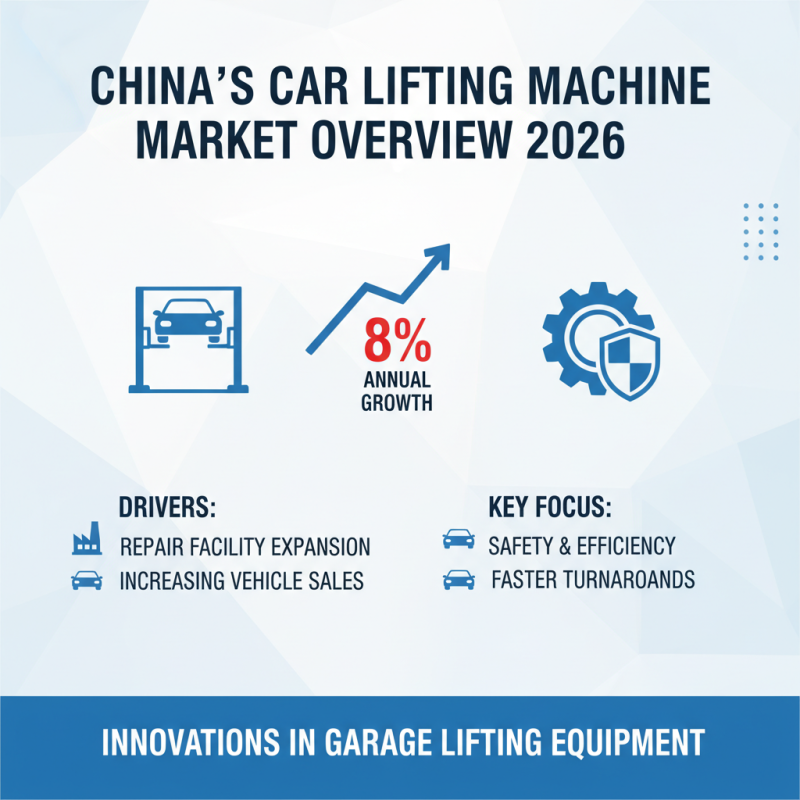
The automotive industry in China is rapidly evolving, creating a significant demand for reliable car lifting machines. As professionals seek to enhance their workshops, understanding the landscape of car lifting machines in 2026 is crucial. Current reports indicate that the market for these machines is anticipated to grow by approximately 8% annually, driven by the expansion of repair facilities and increasing vehicle sales. The focus on safety and efficiency is shaping innovations in Garage Lifting Equipment, enabling faster turns and improving service quality.
Professionals should consider the types of car lifting machines available, such as two-post and four-post lifts. Each type has distinct advantages; for instance, two-post lifts are more space-efficient, while four-post lifts offer greater stability for heavier vehicles. However, selecting the right equipment requires careful assessment. Regular miscalculations in load capacities can lead to accidents and damage.
Tips for prospective buyers include conducting thorough research on machine specifications. Inquire about service histories and warranty options before purchasing. It's vital to engage with suppliers who provide comprehensive after-sales support. With the right guidance, automotive professionals can invest wisely in garage lifting equipment that meets their operational needs while ensuring workplace safety.
Factors Influencing the Cost of Car Lifting Machines
When considering the cost of car lifting machines, various factors come into play. One key aspect is the type of
Hydraulic Lifting Equipment
used. Different models, such as two-post or four-post lifts, significantly vary in price due to their design and functionality.
High-capacity lifts tend to cost more, reflecting their robust structures and engineering.
The quality of materials also influences pricing. Cheaper machines might use lower-grade steel, which can compromise safety.
Investing in reliable hydraulic lifting equipment may lead to long-term savings through reduced maintenance. Additionally,
the source of the equipment plays a role. Domestic production can be more expensive, while imported models may save costs
but might lack support.
Market demand affects costs as well. During peak automotive service seasons, prices may rise due to increased need for
reliable lifting solutions. Furthermore, shipping costs and installation expenses can add to the total investment.
Some businesses may opt for lower-priced options initially but find that these machines require more frequent repairs.
Evaluating the total cost of ownership
is essential for making an informed decision.
Types of Car Lifting Machines Available in the Chinese Market
The Chinese market offers a variety of car lifting machines catering to different automotive needs. Among these, two popular types are hydraulic lifts and electromechanical lifts.
Hydraulic lifts utilize fluid pressure to elevate vehicles, making them ideal for heavy-duty tasks. They are often used in workshops for repair and maintenance.
Electromechanical lifts, on the other hand, run on electric power and are known for their efficiency and speed.
Each type has its pros and cons. Hydraulic lifts are generally more robust but can require more maintenance.
Electromechanical lifts may need a stable power supply, which can be an issue in some areas. Depending on the workshop's location, this aspect should be considered.
The choice of a Car Parking Machine can also influence space utilization and efficiency in a garage.
Understanding these differences is crucial for automotive professionals. Investing in the right type of lift can significantly impact operations.
A thorough evaluation should be conducted before making a decision. Ultimately, an informed choice leads to better service delivery and enhances vehicle handling during repairs.
Comparative Analysis of Popular Car Lifting Machine Brands
When selecting a car lifting machine, understanding the various brands available is crucial. Each brand brings its unique characteristics and functionalities. Some prioritize strength and durability. Others focus on compact designs suitable for smaller spaces. Automotive professionals must weigh these factors carefully.
Tips: Always consider the weight capacity of the lift. Ensure it meets your needs. Many users overlook this aspect, leading to equipment failure. Regular maintenance of the lifting machine is essential for safety. Skipping this step can result in accidents or damage.
Comparative analysis requires attention to detail. Some machines may initially appear cheaper but can incur higher maintenance costs. Understanding longevity and customer support is key. Reviews by other users can provide insights that statistics cannot. While price is an important factor, durability and reliability often yield better long-term investments.
Tips: Look for models with easy access for repairs. Professional opinions can guide your choice effectively. Many professionals realize too late that not all lifts suit their specific work environment. Consider your shop layout and customer volume when deciding.
2026 Best China Car Lifting Machine Cost Guide for Automotive Professionals
| Type |
Lifting Capacity (tons) |
Price Range (USD) |
Warranty (Years) |
Recommended Usage |
| Two-Post |
4.0 |
$1,200 - $2,500 |
2 |
General Repair |
| Four-Post |
5.0 |
$2,500 - $4,000 |
3 |
Vehicle Storage |
| Scissor Lift |
3.0 |
$1,500 - $3,000 |
2 |
Quick Service |
| In-ground Lift |
6.0 |
$3,000 - $6,000 |
5 |
Heavy-Duty Applications |
| Portable Lift |
2.0 |
$800 - $1,800 |
1 |
Mobile Repair |
Cost Breakdown: What to Expect for Purchasing a Car Lifting Machine
When investing in a car lifting machine, understanding the cost is crucial. Prices can vary widely based on features and capacity. Basic models can start low, while advanced ones may reach high figures. Factors such as weight capacity, lifting height, and functionality greatly influence the overall cost.
Installation is another aspect worth considering. Depending on your setup, additional expenses might arise. Ensure that you account for service fees, which can add significantly to the final price. This might cause a gap between budget and reality. Regular maintenance can also incur additional costs, impacting your long-term investment returns.
Tips: Research multiple suppliers to compare costs. Always look for reviews or testimonials that speak to quality and service. Also, consider your specific needs—are you focused solely on professional use, or do you also need a convenient Parking Machine for personal vehicles? Having a clear understanding of your requirements can help prevent overspending.
2026 Best China Car Lifting Machine Cost Breakdown
Maintenance Costs and Its Impact on Overall Investment
Maintenance costs for car lifting machines can significantly impact the overall investment for automotive professionals. Industry studies show that maintenance can occupy up to 15% of a workshop's total budget. These costs encompass routine inspections, parts replacement, and labor expenses. For instance, a hydraulic lift may require yearly inspections averaging around $200, while more extensive repairs can exceed $800.
Neglecting regular maintenance can lead to greater financial repercussions. Machines that are not properly serviced often experience failure, resulting in downtime and lost revenue. According to a recent survey, 30% of workshops reported increased repair costs due to inadequate maintenance practices. This highlights the need for automotive professionals to invest time and resources into proper upkeep.
Evaluating the cost-efficiency of lifting machines is crucial. Though an initial investment may appear high, quality machines tend to have lower annual maintenance costs over time. Investing in reliable equipment pays off in reduced repairs and increased operational uptime. However, workshops should review their processes regularly, identifying areas for improvement in maintenance routines. A well-maintained lift can enhance safety and productivity, impacting long-term profitability significantly.
Trends and Innovations in Car Lifting Technology for 2026
Car lifting technology is evolving rapidly, driven by demands for efficiency and safety in automotive workshops. In 2026, operators will see significant innovations in lift design, such as smarter controls and enhanced safety features. A recent industry report indicates that 40% of car lifts now incorporate advanced sensors to prevent overload, reducing accidents and improving workplace safety.
Automation plays a key role in this evolution. Studies show that automated lifting systems can decrease the time spent on vehicle maintenance by up to 30%. These systems utilize AI to optimize lift cycles, ensuring that vehicles are raised and lowered at the most efficient speeds. However, this reliance on technology raises questions about the need for technician training to manage these systems effectively.
Moreover, the integration of eco-friendly materials in lift construction is gaining traction. Manufacturers are now experimenting with lightweight composites that reduce energy consumption. Nevertheless, there is skepticism about the durability of these materials. As the market adapts, continuous feedback from automotive professionals will remain vital in assessing the practicality of these innovations. As car lifting technology advances, a balance must be struck between innovation and reliability.
FAQS
: The demand is driven by the expansion of repair facilities and increasing vehicle sales.
Two-post lifts are space-efficient, while four-post lifts provide greater stability for heavier vehicles.
Many professionals miscalculate load capacities, which can lead to accidents.
Research helps ensure the machine meets operational needs and enhances workplace safety.
Skipping regular maintenance can lead to accidents or equipment damage.
Buyers must ensure the weight capacity meets their specific needs to avoid equipment failure.
Cheaper machines can incur higher maintenance costs over time.
User reviews offer insights that statistics alone may not provide.
Shop layout and customer volume are critical when choosing the right lift.
No, many professionals realize too late that certain lifts do not fit their specific needs.
Conclusion
The article titled "2026 Best China Car Lifting Machine Cost Guide for Automotive Professionals" provides a comprehensive overview of the car lifting machine market in China for the year 2026. It explores various factors that influence the costs associated with these essential automotive tools, including their types, features, and innovation trends. Readers will find valuable insights into different categories of car lifting machines available in China and a comparative analysis of popular brands, helping them understand what to expect in terms of pricing.
Moreover, the article breaks down the costs involved in purchasing a car lifting machine, factoring in maintenance expenses that significantly impact the overall investment. By addressing current trends and advancements in car lifting technology, this guide serves as an essential resource for automotive professionals seeking to make informed decisions while navigating the evolving landscape of the car lifting machine market in China.